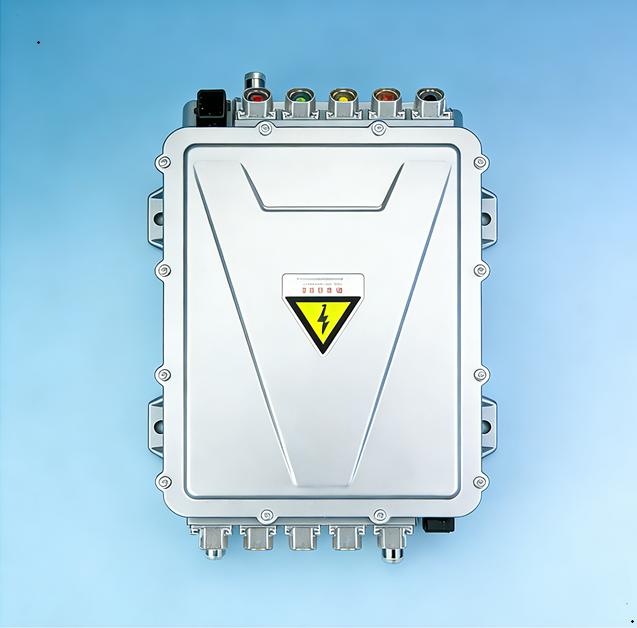
Certification and Compliance for Your Target Market
When many car manufacturers and system integrators purchase power components overseas, they often only focus on the various specifications and parameters of the motors, but fail to realize the complexity of the motor controllers themselves. To avoid many troubles when placing orders in the cross-border field in the future, it is necessary to conduct the following checks first.
The first step is to verify consistency, which is usually the most crucial part. A controller that has been certified in one market does not necessarily mean it meets the requirements in other markets. For instance, a controller with a CE mark, if used in the North American market, typically requires additional tests related to UL or FCC. Besides safety certification, the electromagnetic compatibility report also needs to be verified. In actual use, an improperly filtered controller may interfere with the vehicle's remote information system, sensors, or radio equipment, making it difficult to determine the specific source of the fault on-site.
When evaluating a 3 phase motor controller, always request the exact test reports that match your target market, not just a generic declaration of conformity.
Real-World Performance Beyond the Datasheet
The second inspection should focus on the actual usability compatibility.
One should not rely solely on the product manual. Instead, based on the actual situation, one should assess the true performance of the controller. The most important thing is to observe its operation under continuous load, extreme temperatures, and sudden conditions. Some integrators rush to select variable-speed solutions based solely on peak power.This is why it is crucial to understand the architecture of a variable speed motor with controller. You need to actively learn about its thermal management system, cooling requirements, and how the controller handles regenerative braking under high power conditions.
The third aspect that requires special consideration is the total cost. Many purchasers are initially attracted by the low prices of the goods, but what follows is a series of hidden costs. The money saved in the early stage will be completely offset.
These costs include logistics cycles, tariffs, and storage expenses. The most crucial factor is whether the technical support can be provided promptly. Once the on-site equipment breaks down, not only will there be time zone issues, but communication will also be a major obstacle, which can make many problems difficult to solve quickly.
Every day of downtime will cause losses to the client's operations. A reliable electric motor controller should be accompanied by complete and clear documentation, timely technical support, and a comprehensive warranty process covering cross-border logistics.
Supply Chain Transparency and Lead Time Predictability
Finally, do not overlook supply chain transparency. Ask your supplier about component sourcing, especially for critical parts like power modules, capacitors, and microcontrollers. Once the supply chain is disrupted, the delivery cycle could be directly extended from six weeks to six months. Having a secure inventory in hand or choosing suppliers with more diverse purchasing channels will ensure a more stable supply. This is particularly important during the stage of capacity expansion.
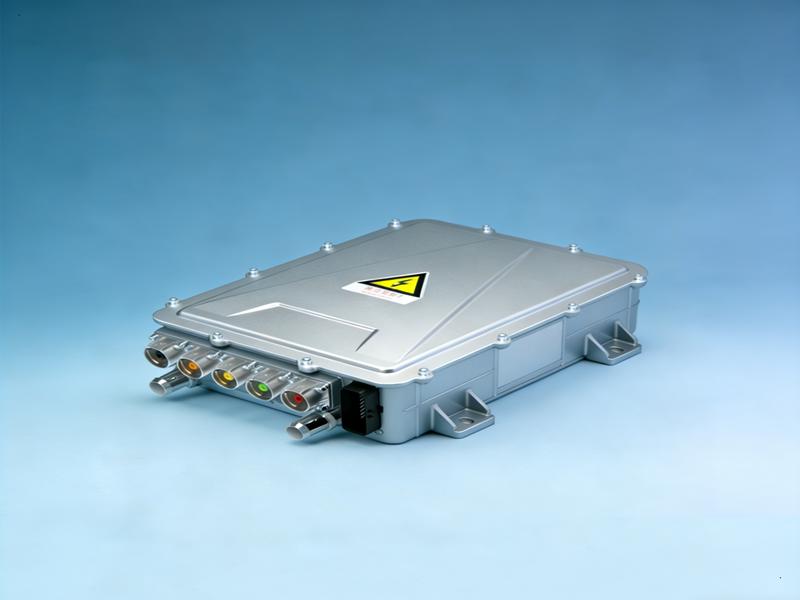
Importing a variable speed motor with controller is not just about matching voltage and current ratings. This is done to ensure that the components can operate stably in your actual application, meet the requirements of the target market regulations, and also receive reliable technical support that is in line with the project schedule. Taking the time to verify certifications, real-world thermal performance, total cost structure, and supply chain stability before signing the purchase order will help you avoid delays, unexpected costs, and field failures after deployment.