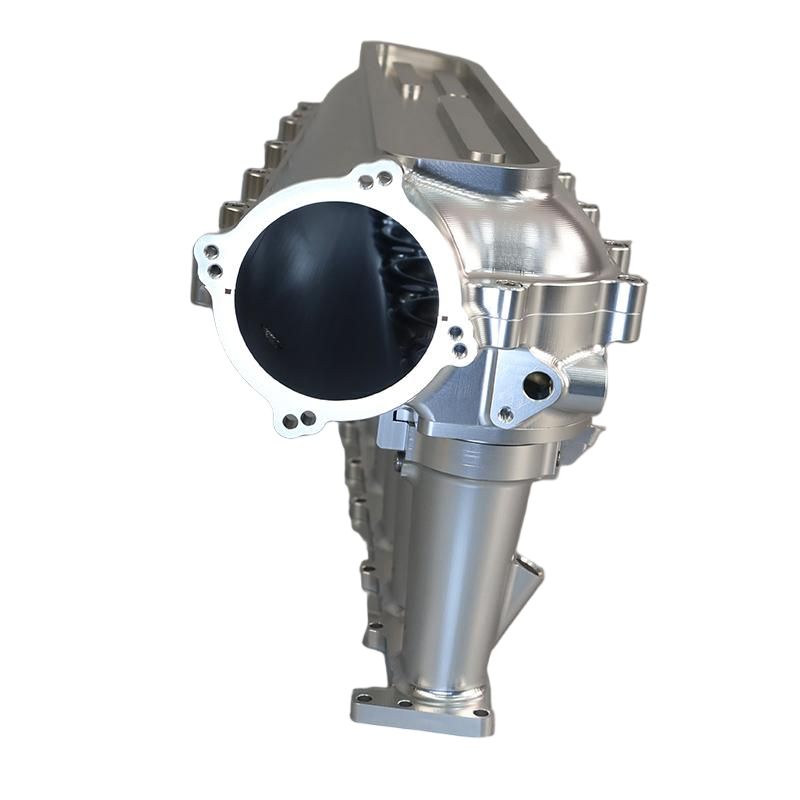
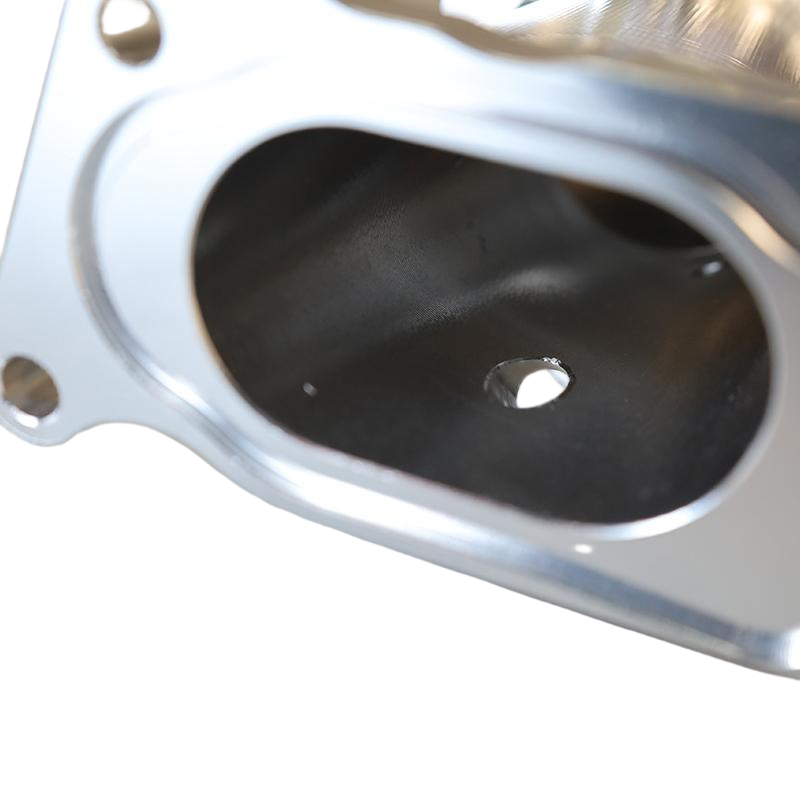
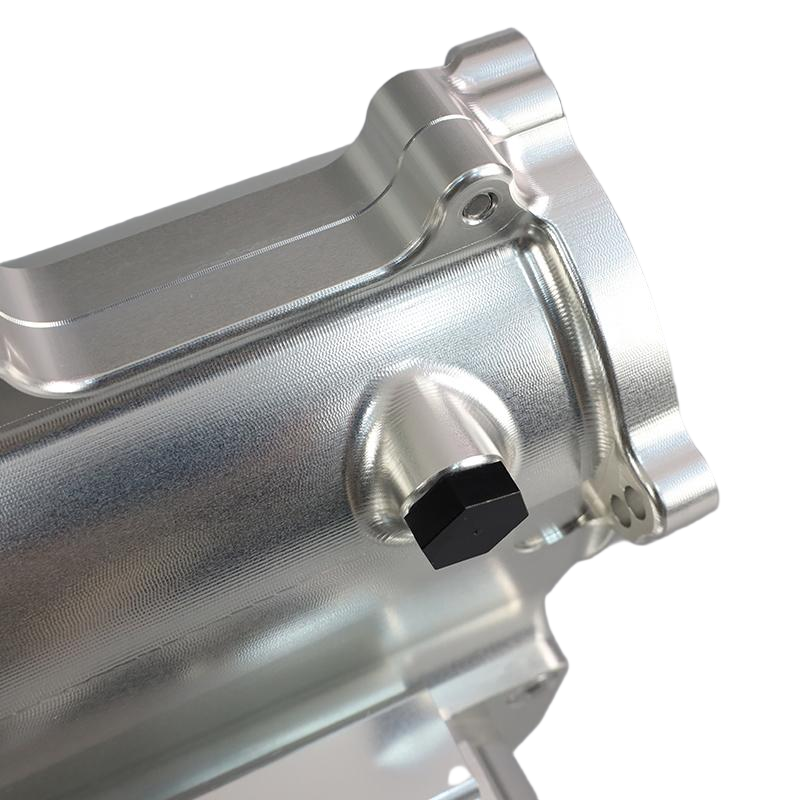
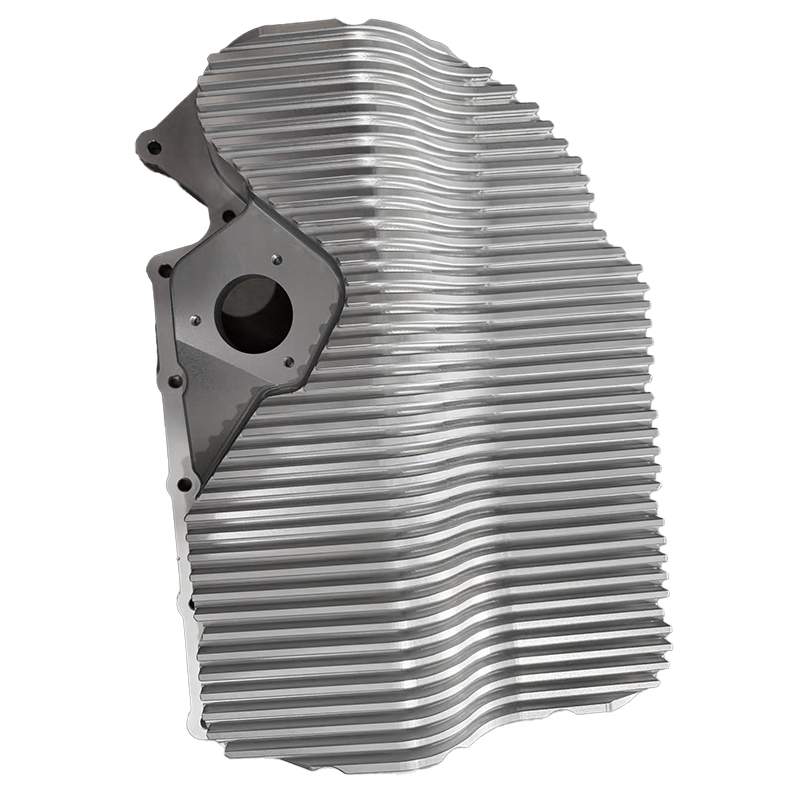
Automotive Components Essentials Turbocharger Kits Fundamentals

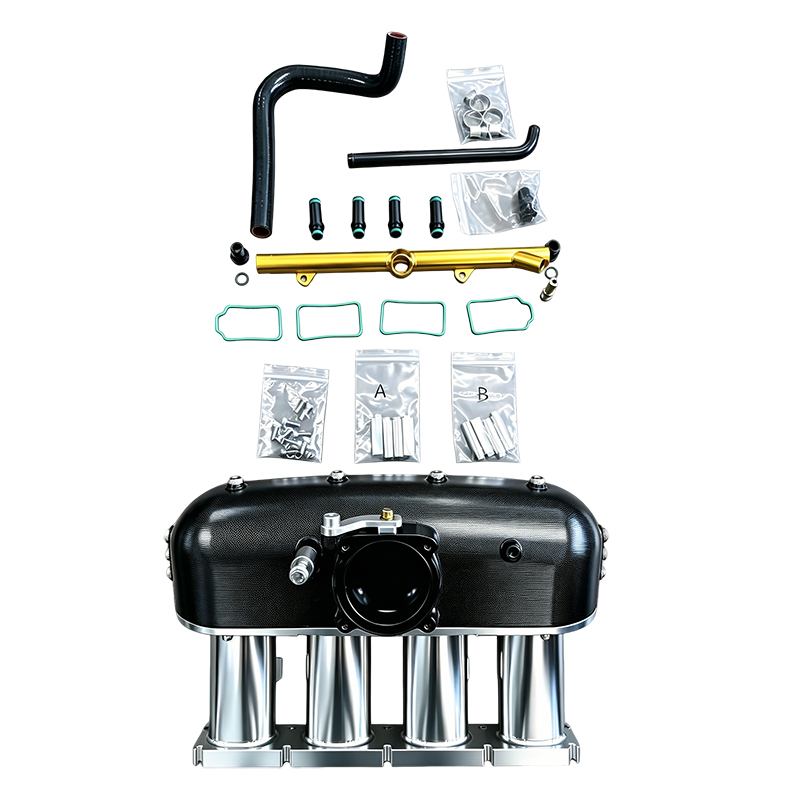
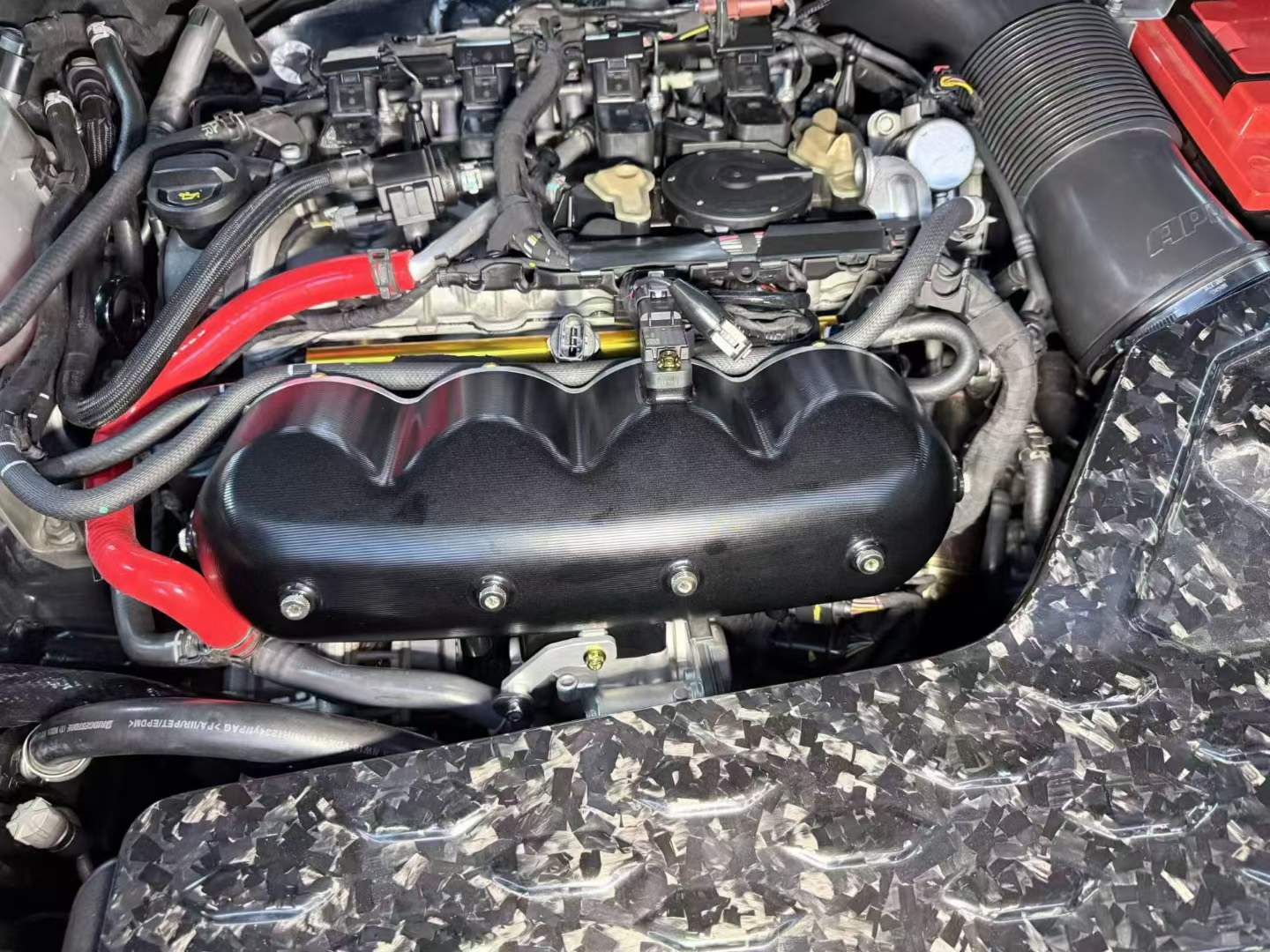
Adding a turbocharger kit to your vehicle is a complex and intricate process. Forced induction conversion (adding a turbocharger or supercharger) should be undertaken with meticulous care and a thorough understanding of the concepts required for the system to function smoothly. Below is an explanation of the fundamental components that should be included in any basic turbocharger kit and their respective functions.

Turbocharger

The turbocharger component of the turbo kit is the most obvious. The turbocharger is essentially a powerful, high-capacity air compressor driven by the energy from the engine's exhaust gases. It is important to remember that not just any turbo will suffice. The turbo's capacity must be carefully matched to the engine and the desired performance.


Intercooler
Virtually all turbocharged systems require an intercooler for proper operation. An intercooler acts as an “air radiator”, cooling the air that has been compressed by the turbocharger before it reaches the engine's intake. Without an intercooler during the pressurisation process, the air becomes excessively heated, which may lead to dangerous pre-detonation.


Turbocharger Manifold and Downpipe
The turbo manifold is fitted to the exhaust stream of the turbocharged engine, housing the compressor blades where the turbocharger operates. The downpipe seamlessly connects the turbocharger to the remainder of the exhaust system, integrating it into the vehicle's existing exhaust layout.


Intercooler and Intake Piping
The intercooler and intake piping connect the turbocharger on the engine to the compressor. The outlet of the intercooler and intake manifold connects to the air filter at the intake port. The turbo piping is stronger than the stock components to handle the pressurised intake airflow at increased pressure.

Oil/coolant supply lines
Depending on whether the turbocharger is water-cooled, coolant lines may or may not be required for your turbocharger kit. All turbochargers will require an oil supply line to maintain bearing lubrication and cooling.


Fuel Management
Many turbocharger kits will require a fuel controller to ensure the correct amount of fuel is delivered to the engine under the additional boost pressure.

Automotive Components (Silicone Classification) Turbocharger Hoses

How does a turbocharger work?


Turbocharging works by compressing air, enabling the engine to accommodate greater volumes of air. This facilitates thorough mixing and combustion of fuel and air, thereby enhancing the engine's power output.


What are the advantages and disadvantages of turbocharging?


The advantages include an engine power increase of over 30%, with theoretically more complete combustion reducing fuel consumption and improving fuel efficiency. The greatest benefit, however, lies in emissions reduction, resulting in a lower environmental impact. This becomes particularly advantageous today as emission standards grow increasingly stringent, making turbocharging more advantageous. The drawbacks include higher operating temperatures and pressures, demanding stricter material performance specifications. Engine wear increases, resulting in a relatively shorter lifespan compared to naturally aspirated engines. Additionally, turbocharged engines produce greater noise levels. Furthermore, the time required for compressed air to convert into power output during acceleration typically spans two seconds, leading to a noticeable lag in power delivery response compared to naturally aspirated vehicles.


Where is silicone rubber applied in turbocharger systems?


Silicone is primarily employed in the C-section of turbocharger system piping, where operating temperatures typically range from 175 to 220 degrees Celsius. Certain high-temperature sections may even reach 250 degrees Celsius, necessitating silicone with exceptional heat resistance and ageing properties. NAFURANCAR's silicone products have been established in this industry for many years. Whether standard silicone, vapour-phase silicone, or heat-resistant silicone, we offer mature and stable matching solutions. These products have withstood extensive testing by numerous customers over many years, earning high recognition and trustworthiness.


Other rubber materials may not withstand operating temperatures of 220 degrees, but why not use metal components for Section C?


As metal components lack the elastic properties of elastomers, they cannot provide shock absorption and are therefore unsuitable for use in turbocharger system operating environments.


Silicone is not oil-resistant, so how does one address oil-gas mixing and oil leakage in the vortex tube?


The inner lining material for vortex tubes comprises 0.2-0.3mm fluorinated silicone rubber or 0.5-0.8mm fluorinated silicone elastomer. The reinforcement layer utilises aramid fabric laminated with calendered silicone rubber, while the outer cover features a single layer of silicone rubber. This thin inner lining layer effectively provides oil resistance. NAFURANCAR's fluorosilicone rubber products offer excellent oil resistance, superior processability, and competitive pricing, making them the ideal choice for your lining layer requirements.


What are the operational requirements for vortex tubes?


During operation, the vortex tube must not exhibit interlayer delamination, nor should its inner and outer surfaces display swelling, cracking, bulging, or other abnormal phenomena. The PVY test simulates the vortex tube's operational environment to assess its quality, primarily through pulse pressure testing and axial/radial vibration testing conducted under simulated temperature conditions.


How is that vortex tube manufactured?


The manufacturing process for silicone rubber composite hoses primarily comprises the following stages: compounding, calendering, fabric cutting, winding, shaping, vulcanisation, demoulding, cutting, assembly, and packaging. This represents the current mainstream production method, accounting for over 80% of silicone rubber composite hose manufacturing. Additionally, an extrusion moulding process exists, which reduces labour requirements while offering more consistent quality control. However, it demands higher standards in equipment, process parameters, and compound formulation. For both processes, NAFURANCAR offers suitable product solutions.


What are the future development trends for vortex tubes?


In future, vortex tubes will increasingly adopt stable automated production processes such as extrusion. Material selection will favour high-temperature, low-pressure silicone rubber capable of strong adhesion to dense aramid fabric. Design and manufacturing techniques will prioritise thin-walled construction, alongside crucial cost-reduction requirements. NAFURANCAR Company remains committed to refining its products in alignment with OEM/customer specifications, striving to maintain a leading position within the industry's developmental trajectory.


Automotive Thermal Management Analysis - Air Conditioning Hose Assembly and Design Issues

Design considerations must encompass not only manufacturing processes but also the ease of assembly for OEMs. During the trial production phase of a new automotive model, frequent assembly difficulties arose with the air conditioning refrigeration piping, leading to substantial redesign costs later on. By implementing synchronous engineering for final assembly, virtual assembly analysis and design constraints were applied during the development of the refrigeration piping. This approach effectively reduced production costs during final assembly and enhanced manufacturing efficiency. This paper outlines the assembly and design challenges encountered in synchronous engineering analysis for air conditioning refrigerant piping, along with corresponding solutions. It offers valuable guidance for the development of refrigerant piping systems in new vehicle models.

Introduction to Synchronous Engineering for Final Assembly


Synchronous Engineering (SE) for final assembly refers to the process whereby final assembly processes participate concurrently in the design and development stages of automotive development. It primarily involves conducting process analyses of assembly digital models, production lines, equipment, and assembly procedures, thereby providing feasible process design modifications for the design team. Its primary purpose is to identify and address potential issues in product design during the drawing design and digital model generation stages. This enables proactive measures to be taken against potential problems during process implementation, ensuring new vehicle models possess production feasibility and equipment/tool compatibility.


Air Conditioning Pipe Assembly and Design


1. Composition of the Automotive Front Compartment Air Conditioning Refrigerant Piping System


The air conditioning refrigerant piping primarily comprises the air conditioning high/low-pressure pipe assembly, air conditioning exhaust pipe assembly II, air conditioning exhaust pipe assembly I (which may be integrated with assembly II depending on assembly feasibility), air conditioning low-pressure pipe assembly I, and air conditioning high-pressure pipe assembly I (which may be integrated with the high/low-pressure pipe assembly depending on assembly feasibility). 


2. Design and Assembly Issues in Air Conditioning Refrigerant Piping


(1) At the connection point between the high/low-pressure pipe assemblies and the HVAC expansion valve, the foam gaskets integrated into the high/low-pressure pipes are excessively thick and rigid. This causes significant interference with the front panel, making pipe assembly difficult.


(2) The air conditioning high/low-pressure pipe assembly incorporates its own mounting brackets (secured to the fuselage side panels and longitudinal beams). The mounting holes are circular, with insufficient clearance allowance for X-axis hole offset. Due to precision fit requirements and cumulative tolerances, bolt holes may fail to align correctly.


(3) The air conditioning refrigeration lines are connected via bolts and nuts. During prototyping, insufficient operating space for tightening tools (such as impact wrenches) may occur. Interference persists even when short sockets are used as replacement tightening tools.


(4) During assembly of the pipe joint clamping plate, refrigeration oil cannot be applied, resulting in refrigerant leakage upon completion. The connection between the air conditioning high- and low-pressure pipe assemblies lacks a flexible hose section, making rigid pipe connection difficult and prone to deformation.


(5) The pipework design is suboptimal, frequently resulting in issues such as abnormal noises and inadequate assembly rationality. For instance, the pipework routing does not sufficiently hug the engine compartment, and the air conditioning filling port is positioned too low to permit refilling.


3. Design Constraints for Air Conditioning Refrigeration Piping


Design constraints are binding specifications derived from the compilation of recurring issues encountered during the introduction and prototyping of new vehicle models. They serve to identify areas requiring improvement in subsequent product designs. In response to the aforementioned assembly issues, the following design constraints are established:


(1) The foam material within the pressure plate at the connection point between the high/low-pressure air conditioning pipe assembly and the HVAC expansion valve shall be specified as PUR material, with a thickness preferably less than 15mm.


(2) On the air conditioning high/low pressure pipe assembly bracket, all mounting holes except the primary locating hole shall be elliptical in the X-direction (e.g. 8×10, subject to bolt specifications) to accommodate cumulative tolerances. The bracket connection points to the vehicle body must incorporate anti-rotation restraints (e.g., locking clips) to prevent bracket rotation during bolt torque tightening, which could cause duct deformation. Air conditioning duct brackets must be positioned on rigid pipe sections to avoid scratching flexible hoses.


(3) During initial data design, allowance must be made for operational clearance when tightening pipe connections. When using an elbow gun, the riveting head must be positioned more than 85mm from the stud tail; when using a straight gun, the riveting head must be positioned 40mm from the stud tail.


(4) For pipe joints, the male end must face upwards in the Z-direction (no requirement in the X-direction) to facilitate application of refrigeration oil. Rigid pipes must not connect directly to other rigid pipes; one connection must incorporate a flexible hose transition. Sealing at the joint must be correctly managed, such as by adding a sealing gasket.


(5) Above the high- and low-pressure filling ports of the air conditioning pipe assembly, a clearance of 50mm diameter and 250mm height must be maintained free of obstructions. Additionally, the spacing between the high- and low-pressure filling ports must be appropriately arranged (determined by the size of the filling gun nozzle).


Conclusion


This paper summarises common issues encountered during the final assembly of refrigeration piping systems for automotive air conditioning units. By implementing concurrent engineering during the early stages of new model introduction, SA constraints were incorporated into the design phase. This approach mitigated deficiencies in product design, optimised the manufacturability of final assembly processes, and reduced production costs for the enterprise. Furthermore, it provides valuable guidance for the development of refrigeration piping systems in future vehicle models.


BMW Group subsidiary BMW ALPINA unveils new brand identity

Recently, BMW ALPINA, the exclusive independent brand under the BMW Group, officially unveiled its new brand emblem. This marks another significant milestone following the brand's formal debut as an independent entity within the BMW Group in January 2026. Paired with the previously revealed brand wordmark, the new emblem establishes BMW ALPINA's contemporary visual identity system. The brand's core proposition centres on delivering an unparalleled long-distance driving experience that combines ultimate luxury with high performance, establishing a distinct positioning differentiation from BMW's M series.

The all-new BMW ALPINA badge design harmoniously blends the brand's heritage with contemporary aesthetics, retaining the throttle body and crankshaft – two quintessential elements that underscore the brand's profound technical legacy. Within the badge, clean, crisp lines are employed to outline the emblem, maintaining stylistic consistency with the surrounding brand lettering. Furthermore, a distinctive translucent finish is applied, accentuating the modern contours.

In the production and crafting of BMW ALPINA models, these vehicles will be manufactured at the fully upgraded BMW Group facilities, adhering strictly to the brand's high production standards. Consumers are offered a wealth of personalisation options, enabling customers to create their own bespoke vehicles. Iconic design elements such as the classic exterior colour schemes and 20-spoke alloy wheels continue to be employed, having undergone detailed optimisation.

It is understood that at this stage, BMW ALPINA will focus on products developed from BMW's larger models. The first new vehicle will be the all-new B7, based on the facelifted 7 Series. This will be followed by the next-generation XB7, with future plans extending to BMW's flagship SUVs and other models. In essence, BMW ALPINA is neither an ‘enhanced BMW’ nor a ‘luxury version of BMW M’. It stands as an independent ultra-luxury brand within the BMW Group, specialising in the harmonious blend of opulent comfort and high performance. We shall see how it performs in the years to come.


Classification and Working Principles of Automotive Steering Systems

The steering systems fitted to motor vehicles can broadly be categorised into three types: (1) Mechanical hydraulic power steering systems; (2) Electro-hydraulic power steering systems; (3) Electric power steering systems.

 I.Electric Power Steering System (EPS)


1. The full English name is Electronic Power Steering, abbreviated as EPS. It utilises power generated by an electric motor to assist the driver with power steering. Although the structural components differ across vehicles, the basic composition of EPS is largely similar. It typically comprises a torque (steering) sensor, an electronic control unit, an electric motor, a reduction gear, a mechanical steering gear, and a battery power source.


2. Primary operating principle: During steering manoeuvres, the torque (steering) sensor detects the steering wheel's applied torque and intended direction of rotation. These signals are transmitted via the data bus to the electronic control unit. Based on input data such as applied torque and intended steering angle, the ECU issues operational commands to the motor controller. The motor then generates an appropriate counter-torque output to assist steering effort. When no steering input is applied, the system remains inactive in standby mode, awaiting activation. Due to the operational characteristics of electric power steering, drivers typically perceive enhanced steering feel and greater stability at high speeds, commonly described as ‘steering that doesn't feel loose or vague’. Furthermore, its non-operational state during non-steering periods contributes to energy savings. This type of power steering system is commonly employed in premium saloon vehicles.


Compared to mechanical hydraulic power steering systems, electric power steering requires only electricity and eliminates numerous components. It dispenses with the hydraulic system's oil pump, oil lines, pressure/flow control valves, reservoir, and other elements. This results in fewer parts, easier layout, and reduced weight.


Moreover, it eliminates parasitic losses and fluid leakage losses. Consequently, electric power steering achieves approximately 80% energy savings under various driving conditions, enhancing the vehicle's operational performance. Consequently, it has seen rapid adoption in recent years and represents the future trajectory for power steering systems.


Some vehicles marketed as featuring electric power steering do not employ a genuinely pure electric system; they still require a hydraulic system, albeit one supplied by an electric motor. In traditional hydraulic power steering systems, the oil pump is driven by the engine.


To ensure light steering effort during stationary or low-speed manoeuvres, the pump's displacement is determined by the flow rate at engine idle speed. However, as vehicles spend most of their time travelling at speeds above idle and in straight-line motion, the majority of the oil pump's output must be returned to the reservoir via control valves, resulting in significant parasitic losses.


To mitigate these losses, an electric motor-driven oil pump is employed. During straight-line driving, the motor operates at low speed, while during steering manoeuvres it runs at high speed. By regulating the motor's rotational speed, the oil pump's flow rate and pressure are adjusted, thereby reducing parasitic losses.


II. Mechanical Hydraulic Power Steering Systems


1. Mechanical hydraulic power steering systems typically comprise a hydraulic pump, oil lines, pressure-flow control valve body, V-belt drive, reservoir, and other components.


2. This system operates continuously regardless of steering input. During sharp turns at low speeds, the hydraulic pump must deliver greater power to provide substantial assistance, thereby wasting resources to some extent. Consider this: when driving such vehicles, particularly during low-speed turns, the steering feels heavy and the engine labours noticeably. Moreover, the high pressure generated by the hydraulic pump can readily damage the power steering system. Furthermore, mechanical hydraulic power steering systems comprise hydraulic pumps, piping, and cylinders. To maintain pressure, the system remains active regardless of steering assistance requirements, resulting in higher energy consumption – another factor contributing to resource expenditure. Such systems are commonly found in economy-class saloon cars.


 III. Electronically Controlled Hydraulic Power Steering System


1. Primary Components: Reservoir tank, power steering control unit, electric pump, steering gear, power steering sensor, etc., wherein the power steering control unit and electric pump form an integrated assembly.


2. Operating Principle: The electronic hydraulic power steering system overcomes the shortcomings of conventional hydraulic power steering systems. Its hydraulic pump is no longer directly driven by the engine belt but instead utilises an electric pump. All operational states are determined by the electronic control unit, which calculates the optimal conditions based on signals such as vehicle speed and steering angle. Simply put, during low-speed, high-angle turns, the ECU drives the electric hydraulic pump at high speed to deliver greater power, reducing steering effort for the driver. At high speeds, the hydraulic control unit operates the electric pump at lower speeds, conserving engine power without compromising high-speed steering responsiveness.

Design Requirements and Failure Mode Analysis for Automotive Air Conditioning Piping

With the rapid development of the automotive industry, automotive air-conditioning systems have significantly enhanced driving and passenger comfort, and there is growing emphasis on their functional requirements and technological innovation. The performance of the air-conditioning system relies on the connections within the piping system, such as high-pressure and low-pressure lines; consequently, the design requirements for air-conditioning piping are of particular importance. This paper explores the technical development process of air conditioning piping by providing a detailed overview of the composition, operating principles, piping design, manufacturing processes and testing requirements of automotive air conditioning systems. Furthermore, it analyses common failure modes in automotive air conditioning piping and proposes corresponding corrective measures and maintenance recommendations, thereby providing a reference for future project development and design.


Introduction

As a vital component of a vehicle’s interior, the air conditioning system enhances the comfort of both driver and passengers and plays a significant role in the vehicle’s overall performance. The air conditioning piping, as the core component of this system, acts much like the ‘blood vessels of the human body’, connecting key components such as the compressor, condenser, evaporator and expansion valve to form a closed-loop system. This ensures the orderly flow of refrigerant within the system, thereby enabling the air conditioning system to provide both cooling and heating functions.

With the rapid development of the Chinese automotive market, consumers are placing ever-higher demands on the performance, reliability and energy efficiency of vehicle air-conditioning systems. The design, manufacture and maintenance of vehicle air-conditioning piping systems present numerous challenges, necessitating continuous innovation and optimisation. A thorough examination of the relevant technologies and solutions for vehicle air-conditioning piping systems is of significant practical importance for enhancing the overall performance of these systems, reducing energy consumption, minimising failure rates and improving the user experience.

912000310


An Overview of Automotive Air Conditioning Systems

1. Components and Operating Principles of the Car Air Conditioning System

A vehicle’s air conditioning system primarily consists of a compressor, cooling fan, condenser, blower, desiccant drier, air conditioning piping, evaporator, expansion valve and refrigerant. In new energy vehicles equipped with liquid-cooled battery packs, a radiator is also required.


The primary function of a vehicle air conditioning system is to provide cooling and heating, ensuring a comfortable environment for passengers inside the vehicle. The cooling process of the air conditioning system primarily comprises compression, condensation, throttling, evaporation and circulation. Firstly, the compressor compresses the low-temperature, low-pressure gaseous refrigerant into a high-temperature, high-pressure gas, which is then fed into the condenser. Secondly, within the condenser, the refrigerant is cooled and liquefied, transforming into a medium-temperature, high-pressure liquid, before flowing into the receiver-drier for storage and drying. Next, after passing through the expansion valve where pressure is reduced, the refrigerant becomes a low-temperature, low-pressure liquid and enters the evaporator. Finally, within the evaporator, the refrigerant boils and absorbs heat, cooling the air flowing through it and thereby achieving the cooling effect; the gaseous refrigerant is then drawn back into the compressor, completing a cycle. During the cooling process, the air conditioning piping provides a flow path for the refrigerant.


The heating mechanisms in automotive air conditioning systems primarily involve utilising engine waste heat and employing independent heating units. Traditional petrol and diesel vehicles mainly rely on the heat generated by the engine, whereas new energy vehicles utilise PTC thermistors for heating.


2. Functions and classifications of automotive air conditioning piping

Air conditioning piping plays a crucial role in automotive air conditioning systems by connecting various components and conveying refrigerant, ensuring the smooth circulation of refrigerant within the system. Automotive air conditioning piping assemblies can be categorised into compressor piping assemblies, condenser piping, heater core piping and ventilation system piping, amongst others. Automotive air conditioning piping can be classified by material into copper tubing, aluminium tubing and rubber hoses; by pressure into high-pressure and low-pressure lines; and, based on the state of the refrigerant during the cycle, into gas-phase and liquid-phase lines.


As aluminium tubing is lightweight, it plays a positive role in automotive weight reduction design; consequently, aluminium tubing is now widely used in automotive air conditioning systems. Automotive air conditioning piping systems primarily consist of aluminium tubing, fittings (clamps, connectors, nuts, etc.), flexible hoses, corrugated hoses, aluminium sleeves, charging ports, O-rings, pressure switches and plastic caps. To ensure that the air conditioning refrigerant does not leak, the quality of the piping fitting design is of paramount importance. Fittings in automotive air conditioning piping are key to ensuring airtightness; the main types of fittings currently in use are threaded connections and clamp connections.


Threaded connections involve joining aluminium tubes to one another, or aluminium tubes to other components, using nuts and external threads. Clamp connections use clamps and bolts to secure pipe joints tightly together, ensuring both sealing and stability. When tightening threads, the hose may become twisted; hoses subjected to torsional shear stress are prone to premature fatigue failure, and this torsional force also tends to cause the joint to loosen. Consequently, clamping structures are now preferred for air conditioning piping.

64509181882


Design Requirements for Automotive Air Conditioning Piping

1. Requirements for the installation and routing of automotive air conditioning pipes

Automotive air conditioning pipework is subject to vibration, impact and temperature fluctuations whilst the vehicle is in motion; therefore, the secure installation of the pipework is of paramount importance. Proper securing prevents loosening, wear and leakage, ensuring the normal operation and long-term reliability of the air conditioning system. Where two pipes run parallel to one another, welded nut holes are typically designed at suitable positions on the front bulkhead outer panel, and multi-pipe clamps are used to secure the pipework, with fixing points generally spaced at intervals of 300 mm. At the same time, cable ties are often used to assist with securing the lines. For rigid pipes, the distance between two fixing points should be between 100 and 400 mm to prevent excessive vibration caused by overly long sections. The addition of fixing points on flexible hoses should be minimised to reduce stress and wear on the hoses. Additional fixing points should be added at bends to ensure stability at these points.


When designing air conditioning ductwork, a series of layout requirements must be met. The angle of bends in rigid ducting should be greater than 90°; the bend radius should be 1.5 to 2 times the diameter of the duct; the minimum straight section following a bend should be no less than 15 mm; and the connection between flexible and rigid ducting should be greater than 35 mm. The clearance between the ductwork and surrounding components should be no less than 6 mm to prevent wear caused by contact between the ductwork and surrounding components.


3. Testing requirements for air conditioning ductwork

To prevent refrigerant leaks during the circulation process, automotive air-conditioning systems must meet stringent airtightness requirements; during the design and development phase, numerous tests must be conducted to verify the soundness of the design, if the test is passed, this indicates that the airtightness of the piping meets the requirements.

64531504536


Failure Mode Analysis of Automotive Air Conditioning Piping

According to relevant statistics, faults in air conditioning systems caused by incorrect refrigerant charging rank as the most common issue, with leaks at the joint between the evaporator outlet pipe and the compressor suction pipe accounting for as much as 90% of these cases. Consequently, the primary failure mode in automotive air conditioning piping is refrigerant leakage at the joints, which is attributed to the following specific causes.


1. Ageing of pipework

After prolonged use, the rubber components of a car’s air conditioning system gradually age, harden and crack, leading to refrigerant leaks through these fissures. As the air conditioning pipes are mainly located in the engine compartment, where they are constantly exposed to high temperatures and vibrations, the ageing process is accelerated.


2. Loose connection

The joints in the air conditioning pipework may become loose whilst the vehicle is in motion, due to vibrations and other factors. Should a joint become loose, the seal will be compromised, making it likely for refrigerant to leak from the joint.


3. Component failure

Components in an air-conditioning system, such as the compressor, condenser and evaporator, can also cause refrigerant leaks if their internal seals are damaged or if the components themselves develop defects such as cracks or pinholes. For example, a damaged shaft seal on the compressor can cause refrigerant to leak from the seal into the external environment.


4. Traumatic injury

Whilst the vehicle is in motion, the air conditioning pipes may be subjected to external forces such as impacts from stones or scrapes from branches, which can cause damage to the pipes and result in refrigerant leaks. Furthermore, improper handling during vehicle maintenance and servicing may also damage the air conditioning pipes.


5. Abnormal pressure

If the pressure in an air-conditioning system is too high or too low, it can damage the pipework and components, increasing the risk of refrigerant leaks. For example, if non-condensable gases such as air enter the refrigeration system, this can cause the system pressure to rise excessively, leading to the failure of seals in the pipework or components and resulting in refrigerant leaks.


To prevent refrigerant leaks caused by the above factors, the following points should be observed. Firstly, during vehicle use, the exterior of the air conditioning piping should be inspected regularly for signs of ageing, cracking or damage, particularly at bends in the piping and in areas close to heat sources such as the engine. Secondly, the pipe joints should be checked frequently for looseness or leaks; this can be done by applying soapy water to check for the formation of bubbles, which indicates a leak. Furthermore, the operational status of all components within the air conditioning system should be checked regularly, such as whether the compressor is running normally and whether there is abnormal frost build-up on the condenser or evaporator. Finally, the air conditioning system should be used correctly in accordance with the vehicle’s owner’s manual. Avoid running the air conditioning for extended periods whilst the engine is not running, as this places an unnecessary strain on the compressor. Finally, during vehicle servicing, ensure the air conditioning system is properly maintained. This includes replacing the air filter to keep the system clean, preventing dust and other contaminants from entering the system, which could impair cooling performance and damage components. Furthermore, during vehicle repairs, take care to avoid damaging the air conditioning pipes and components. If it is necessary to remove the air conditioning pipes, follow standard operating procedures; after removal, protect the pipe joints and other areas to prevent foreign objects from entering.

A1698301715


Conclusion

This paper explores the technical development process of air conditioning piping by providing a detailed overview of the composition, operating principles, piping design, manufacturing processes and testing requirements of automotive air conditioning systems. Furthermore, by analysing and addressing leakage issues in air conditioning pipe joints, it proposes corresponding corrective measures and maintenance recommendations, thereby providing a reference for future project development and design. The technical development of air conditioning piping and the resolution of leakage issues not only affect the performance of the air conditioning system but also directly impact passenger comfort and the overall quality of the vehicle. Therefore, the design, fabrication and maintenance of air conditioning piping should be given due attention.

High- and low-pressure hoses and assemblies for vehicle steering systems

SAE J188 High-Capacity Intumescent Power Steering Hose


Application: For vehicles equipped with power steering systems, used to transmit pressure within the power steering unit.

Operating temperature: -40°C to 121°C, with a peak temperature of up to 135°C.

Standard inner diameter: 3/8”. The primary material is CSM, which offers excellent resistance to ozone, ageing, chemical corrosion, high and low temperatures, oil, abrasion, and electrical insulation.

Power Steering Hose


SAE J189 Low-Pressure Power Steering Return Hose

Application: For vehicles equipped with power steering systems; used to transmit pressure within the power steering unit.

Operating temperature: -40°C to 121°C, with a maximum instantaneous temperature of 135°C.

Common inner diameter: 3/8”.

Single-layer polyester filament braiding.

Power Steering Hose

SAE J190 steel-braided power steering hose

Operating temperature: -40°C to 120°C.

Inner layer: NBR

Reinforcement: single or double layer of copper-plated steel braiding.

Outer layer: CR

Common inner diameters: 5/16”, 3/8”, 1/2”, 5/8”.

Typically used with crimp fittings.

Power Steering Hose

Steel-braided high-temperature power steering hose

Operating temperature: -40°C to 150°C.

Reinforcement layer: Two layers of polyester filament braiding. The main material is ACM, which offers excellent heat resistance, ageing resistance, oil resistance, ozone resistance and UV resistance. Its mechanical and processing properties are superior to those of fluorocarbon rubber and silicone rubber. Its heat resistance, ageing resistance and oil resistance are superior to those of nitrile rubber.

Power Steering Hose


How a car’s steering system works, common faults and solutions

I.How it works

Core function: to convert the rotation of the steering wheel into wheel movement, thereby steering the vehicle.


1. Mechanical steering (non-power-assisted).

Steering wheel → steering column → steering gear (rack and pinion/recirculating ball) → steering linkage → steering knuckle → wheel deflection; driven entirely by human effort.


2. Hydraulic power steering (HPS).

The mechanical structure is supplemented by a hydraulic pump, hydraulic hoses and a power steering cylinder. The engine drives the hydraulic pump to generate pressure, which assists the steering mechanism, making steering lighter.


3. Electric Power Steering (EPS).

Power assistance is provided directly by an electric motor, a torque sensor and a controller. It offers quick response, improved fuel economy and a simple design, and is currently the mainstream technology.

II. Common faults and solutions


1. Heavy steering; steering requires considerable effort.

Possible causes:

(1) Tyres are under-inflated.

(2) Hydraulic power steering system is low on fluid, has a leak, or the power steering pump is worn.

(3) Fault in the electric power steering motor or sensor.

(4) The ball joint on the steering tie rod or the plain bearing is seized.


Solution:

(1) Inflate the tyres to the recommended pressure.

(2) Check the power steering fluid; top up or replace it, and repair any leaks.

(3) Use a diagnostic scanner to read the EPS fault codes, and repair the sensors or motor.

(4) Lubricate or replace the ball joints and bearings.


2. Steering wheel pull (vehicle pulls to the left or right when driving in a straight line).

Possible causes:

(1) Uneven tyre pressure between the left and right tyres.

(2) Incorrect wheel alignment.

(3) Brake calipers sticking, causing uneven braking force between the left and right sides.

(4) Uneven lengths of the steering tie rods.


Solutions:

(1) Ensure all tyres are at the correct pressure.

(2) Have a four-wheel alignment carried out.

(3) Check the braking system.

(4) Adjust the steering linkage.


3. Steering noise (clunking or squeaking when turning the wheel).

Possible causes:

(1) Ageing of the steering ball joints or lower control arm rubber bushings.

(2) Wear on the plain bearings or top bushings.

(3) Stiff steering column universal joint.

(4) Noise caused by low fluid level in the power steering pump.


Solutions:

(1) Replace the ball joints and rubber bushings.

(2) Replace the shock absorber top bushings or plain bearings.

(3) Lubricate or replace the universal joints.

(4) Top up or replace the power steering fluid.

4. Steering wheel vibration and instability at high speeds.

Possible causes:

(1) Incorrect tyre balancing.

(2) Excessive play in the steering system.

(3) Warped wheel rims or bulging tyres.


Solutions:

(1) Have the tyres balanced.

(2) Check and tighten all components of the steering mechanism.

(3) Replace warped wheel rims or bulging tyres.


5. The steering lacks power and feels alternately light and heavy.

Possible causes:

(1) Blown EPS fuse or wiring fault.

(2) Power steering pump belt slipping or broken (hydraulic system).

(3) Power steering fluid too dirty or clogged.


Solutions:

(1) Check the fuse and wiring harness; repair the EPS module.

(2) Adjust or replace the belt.

(3) Replace the power steering fluid and flush the system.


6. The steering wheel is difficult to centre or does not return to its original position automatically.

Possible causes:

(1) Incorrect rearward or inward camber of the kingpins during wheel alignment.

(2) Sticking in the steering mechanism.

(3) Power steering system fault.


Remedies:
Perform wheel alignment, lubricate or replace steering components, and service the power steering system.

III. Recommendations for Routine Maintenance


1. Avoid turning the steering wheel fully to either side whilst stationary to reduce the load on the power steering system.

2. For vehicles with hydraulic power steering, change the power steering fluid regularly.

3. Have any unusual noises, pulling to one side or heavy steering checked as soon as possible to prevent minor faults from escalating.

4. Have a four-wheel alignment carried out promptly following an accident or any impact to the chassis.


Industry News | China’s automotive supply chain is shifting from supplying overseas markets to diversifying its presence

The EU’s stringent carbon emission regulations are driving the acceleration of electrification, yet Europe faces a severe shortage of domestic production capacity for batteries, electric drive systems and smart components, coupled with slow technological advancement and a reliance on external supplies. In 2024, China’s exports of automotive components totalled US$93.43 billion, with Europe representing the core growth market.


Nafurancar


I.Why accelerate now?

From ‘export products’ to ‘local roots’—the EU’s high tariffs (up to 45.3%), local content requirements (70% local production for non-battery components in electric vehicles), and the New Battery Act (covering carbon footprint, traceability and recycling) have effectively brought an end to the old model of ‘Made in China → Exported to Europe’, with local manufacturing now becoming a prerequisite for market access.


Maturity of China’s Supply Chain + Cost Advantage China possesses the world’s most comprehensive new energy vehicle supply chain, with manufacturing costs 20–30% lower than in Europe. Furthermore, it has established a technological lead in areas such as battery energy density, autonomous driving algorithms and sensors, which aligns with European carmakers’ core objectives of reducing costs and accelerating their transition.


II. From Supporting Roles to Diverse Penetration


  • Traditional supply chain exports

From the export of complete vehicles to the subsequent export of components, serving the European factories of Chinese car manufacturers (such as BYD and NIO). This model is characterised by passive supply, low value-added and a focus on trade. In the early stages, small and medium-sized component manufacturers exported items such as wheel rims, interior fittings and standard parts.


  • Establishing production capacity

Establishing factories in Europe, recruiting locally and serving local car manufacturers, thereby entering the supply chains of major players such as BMW, Mercedes-Benz, Audi, Volkswagen and Stellantis, and transitioning from a ‘Chinese supplier’ to a ‘local European Tier 1 supplier’.


Using Central and Eastern Europe (Hungary, Slovakia and Poland) as a bridgehead (due to low costs, favourable policies and proximity to Western Europe), whilst establishing R&D centres in Western Europe (Germany and Spain).


  • Technology transfer

Technology licensing + joint ventures + solution provision: earn technology fees and long-term royalties without building factories, and secure a position at the high end of the value chain.


  • Ecological permeation


With a fully integrated presence spanning R&D, testing, after-sales and local partnerships, we have evolved from a ‘parts supplier’ to a ‘technology partner’, forging close ties with European car manufacturers as they undergo transformation.


BYD’s European headquarters in Hungary (comprising sales, after-sales, R&D and testing) collaborates on research with local universities.


III. Key Challenges


  • Compliance barriers


EU REACH, PFAS restrictions and the Battery Regulation: with extremely stringent requirements regarding chemical traceability, carbon footprints and recycling systems, compliance costs for small and medium-sized suppliers are soaring, and they risk being forced out of the market.

Data compliance: Localised storage of autonomous/intelligent driving data and strict privacy protection; algorithms exported overseas must comply with EU regulations.


  • Cost and operational barriers


The cost of setting up a factory in Europe is two to three times that in China; labour costs are high, and unit production costs rise by 15–20 per cent, which must be offset through automation and lean manufacturing.

Strong trade unions and strict employment regulations: redundancies are difficult to implement, benefits are generous, and cross-cultural management presents significant challenges.


Domestic giants (Bosch, Continental and ZF) continue to dominate the high-end chassis and traditional powertrain components markets, drawing on a century of technical expertise.


Japanese and South Korean companies (Samsung SDI and LG Energy Solution) have a clear first-mover advantage, and competition in the battery sector is fierce.

Is your car’s air conditioning pipe leaking? Find out what causes this problem

Car air conditioning, an indispensable ‘must-have’ for driving in the sweltering summer heat, provides us with a comfortable environment whilst on the road.

If the compressor is the heart of the air-conditioning system, then the vehicle’s air-conditioning piping is its circulatory system, connecting the various air-conditioning components scattered throughout the vehicle to form a complete and efficiently functioning air-conditioning system.


Car air conditioning pipework typically consists of aluminium pipes, flexible hoses and other fittings.


Unlike other car components, air conditioning pipes do not need to be replaced very often, which means they are easily overlooked; as a result, some car owners fail to notice leaks in the pipework in good time.

Generally speaking, there are typically two causes of leaks in air conditioning pipes: 

  •  A blockage in the air conditioning system’s circuit, leading to prolonged high-temperature and high-pressure conditions between the compressor and the condenser, causing the PA layer on the inner wall of the rubber pipe to age and crack.  
  •  During the crimping of the aluminium sleeve, if the pipe is not positioned correctly, gas can escape from the top of the crimped area into the braided layer, penetrating the rubber layer and causing a general leak. This phenomenon is also known as a gas leak.

Although air conditioning hoses do not need to be replaced very often, over time they can accumulate dirt and grime that is difficult to clean out; it is therefore advisable to fit new ones. When replacing air conditioning hoses, be sure to choose products of guaranteed quality to avoid system faults caused by substandard hoses.