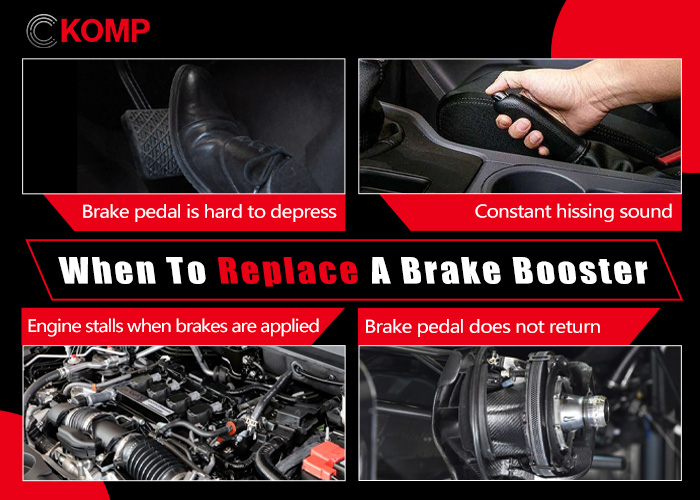
When To Replace A Brake Booster?

When To Replace A Brake Booster?
The brake booster plays a crucial role in making braking safer and more efficient. By using vacuum or hydraulic assistance, it reduces the amount of force needed on the brake pedal, ensuring smooth and reliable stops. When the booster begins to fail, however, drivers may face serious safety concerns. So, when should you replace the brake booster? Let’s take a closer look at the most common warning signs.
brake booster price
Brake pedal is hard to depress
If your brake pedal becomes stiff or extremely difficult to press, it’s a strong indication that the brake booster is failing. This happens when the booster no longer provides the necessary assistance, forcing you to apply much more physical effort to stop the vehicle. If you notice this issue in your car or brake booster truck, don’t ignore it—it could compromise your safety on the road.

Constant Hissing Sound from the Pedal
A constant hissing noise when pressing or releasing the pedal is another red flag. This usually points to a vacuum leak inside the booster diaphragm. Vehicles equipped with a vacuum brake booster are particularly susceptible to this problem. Left unresolved, the leak can cause reduced braking power and affect overall engine performance.

Engine stalls when brakes are applied
If your engine stalls or idles roughly every time you press the brake pedal, it may be caused by excess air entering the intake system due to a faulty booster. The imbalance in the air-fuel mixture disrupts normal engine operation, which can be dangerous if it occurs while driving at low speeds or in heavy traffic.

Brake Pedal Won’t Return to Its Original Position
A properly working brake booster ensures that the pedal springs back immediately after you release it. If it sticks halfway or feels slow to return, the internal diaphragm or valves could be damaged. This can lead to brake drag, premature wear, and unreliable braking performance.

Replacing the Brake Booster
If you experience any of these symptoms—stiff pedals, hissing sounds, engine stalling, or pedal return problems—it’s time to consider replacement. Always choose a reliable source when purchasing new parts. Like KOMP brand brake booster, Working directly with a brake booster factory ensures consistent quality and durability, whether you need parts for everyday vehicles or heavy-duty applications.

Brake Master Cylinder Component Location Diagram

Brake Master Cylinder Component Location Diagram
In the hydraulic brake system, the master brake cylinder is like the heart of the human body. Through the coordinated work of 17 precision parts, it converts the driver's pedal force into powerful braking force. These parts each perform their duties and together build an efficient and reliable power transmission system. Many automotive brands today rely on an OEM Wholesale brake master cylinder to achieve both precision and consistency in braking performance.
Brake master cylinder OEM
I. Reservoir assembly: the "blood bank" of the brake system
The reservoir cap (1) and the sealing ring (2) form the first line of defense against dust and overflow, ensuring that the brake fluid is not contaminated. The filter (3) is like a precision sieve, intercepting metal debris and impurities in the oil to ensure the cleanliness of the hydraulic oil. The rigid connection of the bolt (4) and the positioning pin (7) tightly fixes the reservoir (5) and the master brake cylinder (8), while the rubber retaining ring (6) absorbs vibration through elastic deformation to prevent the interface from loosening. The coordinated action of this component provides a stable and clean supply of hydraulic oil for the brake system. Choosing from a Factory Wholesale brake master cylinder source ensures stable quality and a cost-effective supply of these vital assemblies.

II. Power transmission unit: force amplification and conversion
The primary piston (9) and the secondary piston (12) form a series booster structure. When the brake pedal is pressed, the pressure cup (10) and the piston cup (11) achieve step-by-step pressure amplification through dynamic sealing. The grease application (13) significantly reduces the resistance to piston movement, making the brake response more sensitive. This design cleverly converts the driver's pedal force into a powerful braking force, ensuring that the vehicle can quickly decelerate. Behind this engineering lies the expertise of every brake master cylinder manufacturer, who ensures each piston and seal performs flawlessly under pressure.

III. Sealing system: the last line of defense against leaks and overflows
The push rod seal (14) adopts a multi-layer lip design that can automatically adjust the sealing strength as the pressure changes, preventing hydraulic oil from leaking from the push rod interface. The combination of the retaining spring (15) and the cup (16/17) allows axial displacement while preventing hydraulic oil from flowing back. This "rigid and flexible" design ensures the reliability and durability of the brake system under high-pressure conditions.

Main Suspension Parts and Their Functions

Introduction

The car suspension system is a critical component that connects a vehicle’s wheels to its body. It is designed to absorb road shocks and uneven surfaces, keeping the tires in contact with the road for stability and comfort. A typical suspension includes several components, each with a specific role. The main functions of the suspension system are to absorb shocks and vibrations from the road, maintain tire contact with the road, and provide a smooth ride by distributing vehicle weight evenly. Below is a detailed overview of the key suspension parts, their names, and their functions:


1. Springs

Function: Springs are the primary load-bearing components that support the vehicle’s weight and absorb shocks from the road. They compress and extend to cushion impacts, preventing the shocks from being transmitted to the car body. In doing so, springs also help maintain proper ride height and distribute the vehicle’s weight evenly across the wheels. By absorbing energy from road bumps, springs improve ride comfort and stability.


Types: There are several types of springs used in car suspensions. The most common are coil springs (spiral steel coils that compress under load), leaf springs (stacked steel strips used mainly in older trucks and some rear suspensions), and torsion bars (steel bars that twist when loaded. Each type has different characteristics and is suited to specific vehicle designs.


2. Shock Absorbers (Dampers)

Function: Shock absorbers (often called dampers) work in tandem with springs to dampen oscillations. After a spring compresses to absorb a bump, the shock absorber dissipates the spring’s energy to prevent it from bouncing back and forth uncontrollably. They control the up-and-down movement of the suspension, ensuring the wheels stay in contact with the road. This prevents the car from bouncing excessively, improving ride smoothness and stability. In essence, shock absorbers reduce vibration and sway, keeping the vehicle stable and the ride comfortable.


Design: Shock absorbers are hydraulic or gas-filled devices with pistons that move through oil or gas. When the suspension compresses, the piston forces fluid through small orifices, converting kinetic energy into heat that dissipates. This damping action smooths out the ride. Most modern cars use shock absorbers as part of a strut assembly (especially on front wheels with MacPherson strut suspensions) or as separate units (in multi-link or independent rear suspensions).


3. Control Arms and Linkages

Function: Control arms (also known as wishbones or a-arms) are structural links that connect the vehicle’s frame to the wheels. They allow the wheels to move up and down while maintaining proper alignment. Control arms ensure the wheels pivot correctly when steering or when hitting bumps. Essentially, they act as the “arms” that control the wheel’s motion, enabling the suspension to react to road inputs while keeping the wheels in the proper orientation. Linkages (such as tie rods, sway bar links, and other rods) work similarly, linking different suspension components and ensuring coordinated movement.


Role in Handling: Control arms and linkages are crucial for vehicle stability and handling. They maintain the correct toe-in and camber angles of the wheels, which affects tire wear and steering response. By controlling wheel movement, these components help keep the tires firmly planted on the road and allow the driver to steer and brake with confidence. In independent suspension systems, each wheel has its own control arms or linkages, enabling independent wheel movement.


4. Ball Joints

Function: Ball joints are pivot joints that connect the control arms to the steering knuckle (or spindle) at each wheel. They allow the wheel to move up and down (when going over bumps) and also to pivot in a circular motion for steering. Ball joints accept both vertical and lateral loads from the vehicle, enabling the wheels to move while still supporting the car’s weight. In simpler terms, they act like a ball-and-socket joint for the wheel, providing a range of motion. This flexibility is essential for steering control and maintaining proper wheel alignment.


Importance: A properly functioning ball joint is critical for safe driving. If a ball joint wears out or fails, the wheel can lose its connection to the control arm, causing unpredictable handling and potentially a loss of control. Most vehicles have both an upper ball joint and a lower ball joint at each front wheel (or equivalent in rear suspension), working together to support the wheel and allow steering movement.


5. Steering Knuckle (Spindle)

Function: The steering knuckle is the component that connects the wheel hub to the suspension. It is a rigid piece of metal (often forged) that attaches to the wheel’s spindle and is linked to the control arms via ball joints. The steering knuckle allows the wheel to pivot around the steering axis, enabling the car to turn. In other words, it’s the mounting point for the wheel and brakes, and it transfers steering inputs from the steering system to the wheel. The knuckle’s design ensures that the wheel can both turn and move up and down with the suspension, all while supporting the weight of the vehicle.


Structure: The steering knuckle typically has a spindle (where the wheel hub bearing is mounted) and lugs that connect to the control arms. It’s a key part of the front suspension (in front-wheel-drive and rear-wheel-drive cars) and also found in the rear suspension of some vehicles. A properly functioning steering knuckle is essential for maintaining steering accuracy and wheel alignment.


6. Anti-Roll Bar (Stabilizer Bar)

Function: The anti-roll bar (also called a stabilizer bar) is a connecting rod that runs横向 (horizontally) between the left and right suspension systems, usually near the front of the car. Its main purpose is to reduce body roll when the vehicle is cornering. When a car goes around a curve, centrifugal force tends to push the body outward, causing the outer wheels to rise and the inner wheels to compress. The anti-roll bar counteracts this by transferring some of the load from the rising wheel to the compressing wheel. This keeps the car’s body level and the wheels more evenly loaded, improving traction and stability during turns. In essence, the anti-roll bar helps maintain body balance and prevents the vehicle from tipping over or leaning excessively in sharp turns.


Design: The anti-roll bar is a steel bar that is U-shaped (with a straight central section and two downward curves) or straight, and it is connected to the suspension arms on each side via link rods. When one wheel rises due to a bump or cornering force, the bar twists, causing the opposite wheel to also rise. This action stabilizes the vehicle’s body and improves handling. Anti-roll bars are adjustable in some high-performance vehicles to fine-tune the suspension’s roll resistance.


7. Strut Bar

Function: A strut bar (also known as a tower bar or cross bar) is an additional support component that links the tops of the strut towers (the upper mounts of the shock absorbers) on opposite sides of the vehicle. Its primary role is to reduce chassis flex and increase the overall rigidity of the car’s structure. By connecting the left and right sides, a strut bar helps distribute forces more evenly during cornering and acceleration, which in turn improves handling and steering response. Essentially, it stiffens the car’s body, making it react more directly to driver inputs. A strut bar is often considered an upgrade for performance cars or for vehicles with modified suspensions, as it can reduce body roll and enhance stability at high speeds.


Installation: Strut bars are typically mounted in the engine bay, connecting the top mounts of the front struts. They are usually adjustable or come in different lengths to fit various vehicles. While not a standard factory component on all cars, many drivers and enthusiasts install strut bars to improve the handling and feel of their vehicle.


8. Lateral Control Rod


Function: The lateral control rod (sometimes called a lateral link or trailing arm) is a component that stabilizes the rear axle in certain suspension designs. It is typically found in rear suspensions (especially on older vehicles with a live rear axle) and links the axle to the vehicle’s frame or body. The lateral control rod prevents the axle from moving sideways or rotating under lateral forces (such as those from braking or cornering). In other words, it controls the lateral movement of the axle, ensuring it remains centered and aligned with the vehicle. This is important for maintaining proper wheel alignment and stability, especially in rear-wheel-drive or truck suspensions where a solid rear axle is used. By holding the axle in place, the lateral control rod helps keep the wheels straight and provides a stable ride.


Role in Stability: In a live axle setup, the lateral control rod works with other components (like leaf springs and shackles) to manage the axle’s movement. It prevents the axle from twisting or shifting laterally, which could cause uneven tire wear or handling issues. Essentially, it is an anti-sway or anti-twist element that contributes to the overall stability of the vehicle’s rear suspension.


9. Bumper

Function: The bumper is an often overlooked part of the suspension system, but it serves an important role in protecting the vehicle and passengers during low-speed impacts. Bumpers are typically made of energy-absorbing materials (such as plastic or composite) and are mounted at the front and rear of the car. They absorb the force of collisions with other objects (like parking curbs, small obstacles, or even other vehicles) by deforming and compressing, thus reducing damage to the car’s body and undercarriage. Bumpers also help protect the suspension components – for example, they can prevent the shock absorbers and springs from being exposed or damaged in a minor collision. In some cases, bumpers also contain structural elements that help with pedestrian safety and can distribute crash forces. Overall, the bumper’s function is to provide a buffer that protects the vehicle’s body and its vital components from damage in minor impacts.


Design: Modern bumpers are designed to meet safety standards and are usually covered with a fascia (the outer plastic skin) that can be easily replaced if damaged. They are attached to the vehicle’s frame or subframe via brackets and often include shock mounts to absorb impacts. Bumpers have come a long way in terms of design, from simple steel bars in the past to sophisticated composite structures that integrate with the car’s aerodynamics and safety features.


In conclusion, each of these suspension components plays a vital role in the overall performance of a vehicle. Springs and shock absorbers ensure a smooth ride by absorbing and damping shocks, while control arms, ball joints, and steering knuckles allow the wheels to move and steer properly. Additional components like anti-roll bars, strut bars, and lateral control rods further enhance stability, handling, and alignment. Understanding these components and their functions is essential for maintaining a car’s safety and performance.
Bigger, Cooler, Faster—5 inch Downpipe & 70-Row Radiator for Supra A90 B58

We’ve just released our newest development package for the Toyota Supra A90 B58 platform. Every component is designed, extruded and precision-welded in-house from 6061 aluminum, so we can guarantee material traceability, uniform heat treatment and, most importantly, the freedom to modify any spec you or your customers need.


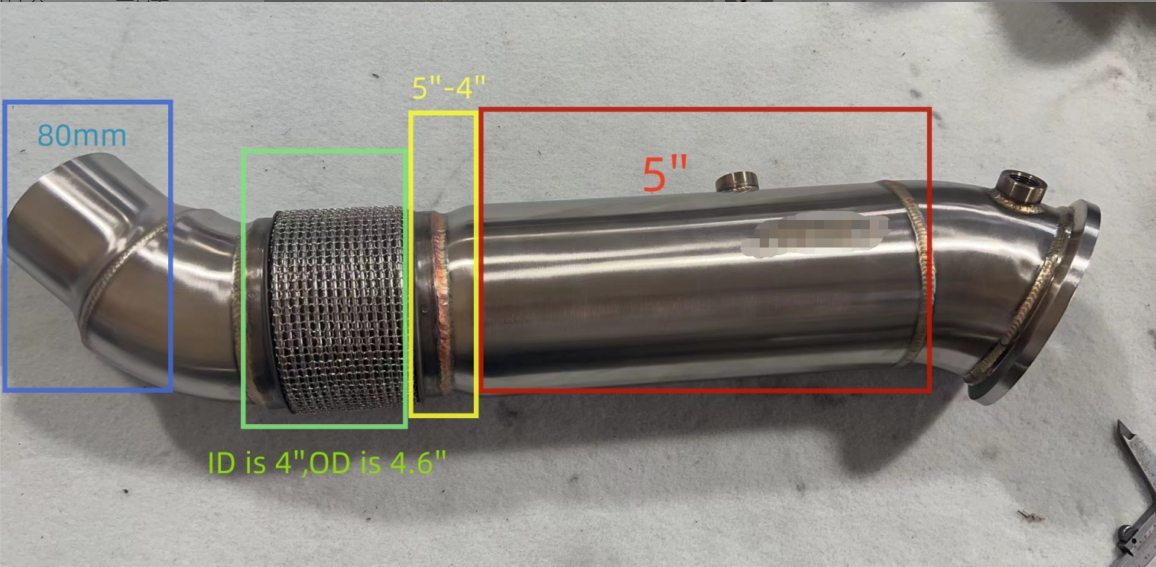
1.  5 inch Bigger Diameter Downpipe

Smooth-transition mandrel bend,CNC-cut flange, 100% back-purged TIG welds

  5 inch Bigger Diameter Downpipe

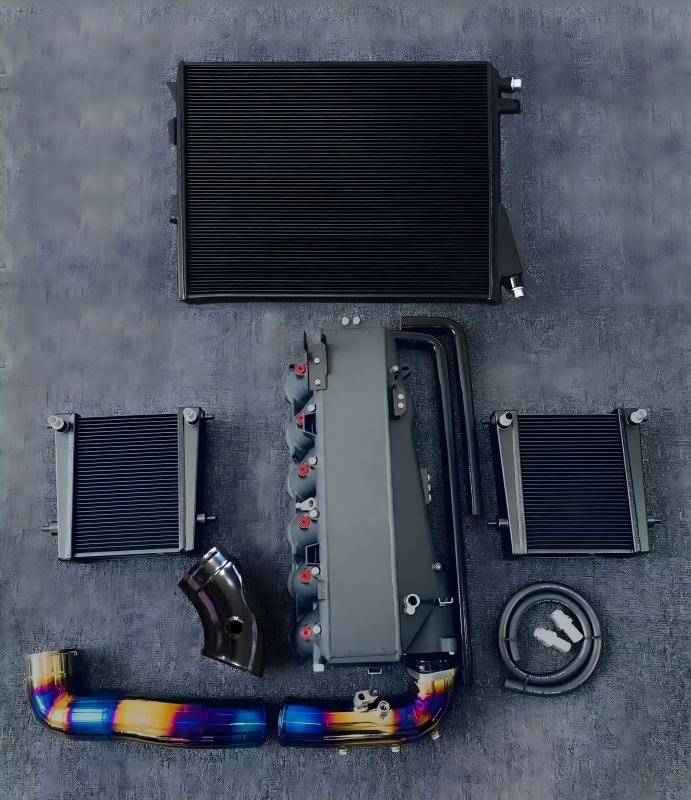
2.  70-Row HD Radiator & Manifold Kit

OEM mounting points, 38 % thicker core for +1.2 L coolant volume,Fully TIG-welded end tanks

 70-Row HD Radiator & Manifold Kit

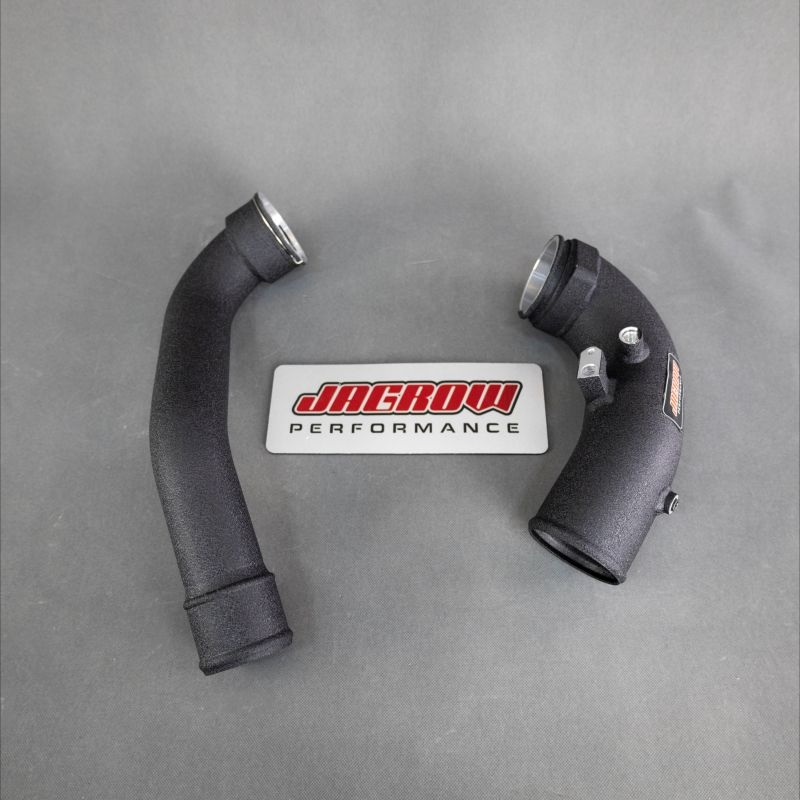
3. Charge-Pipe & Intake Kit

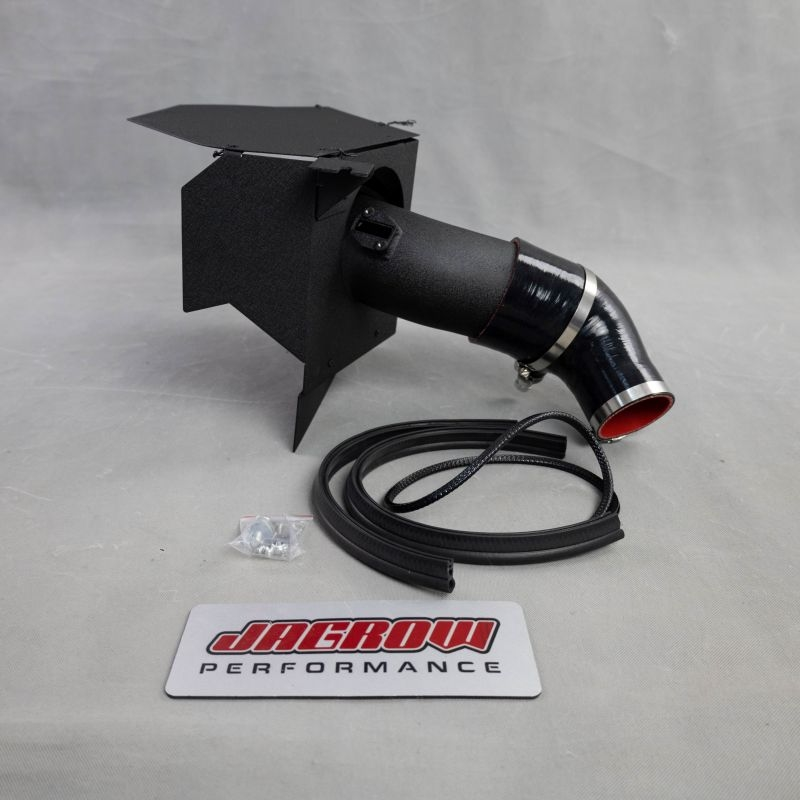
3" aluminum charge pipe w/ meth/NOS bungs, 5-ply silicone couplers,high-flow dry filter, CFD-optimized bell-mouth,direct plug-and-play MAP & IAT sensor ports

 Charge-Pipe & Intake Kit

Charge-Pipe & Intake Kit

4.Customization at low MOQ

Modify inlet/outlet position, AN or V-band connections, sensor bosses, coatings (anodise, cerakote, polish);Reverse-engineer from your 3-D scan or sample within 7 days;Laser-etched logo or part number for your brand


If you have any special performance target, packaging constraint or branding requirement, just send over a drawing, a sample —our R&D team will turn around a program and quotation in 24 h.


Look forward to supporting your first project!


Best regards,

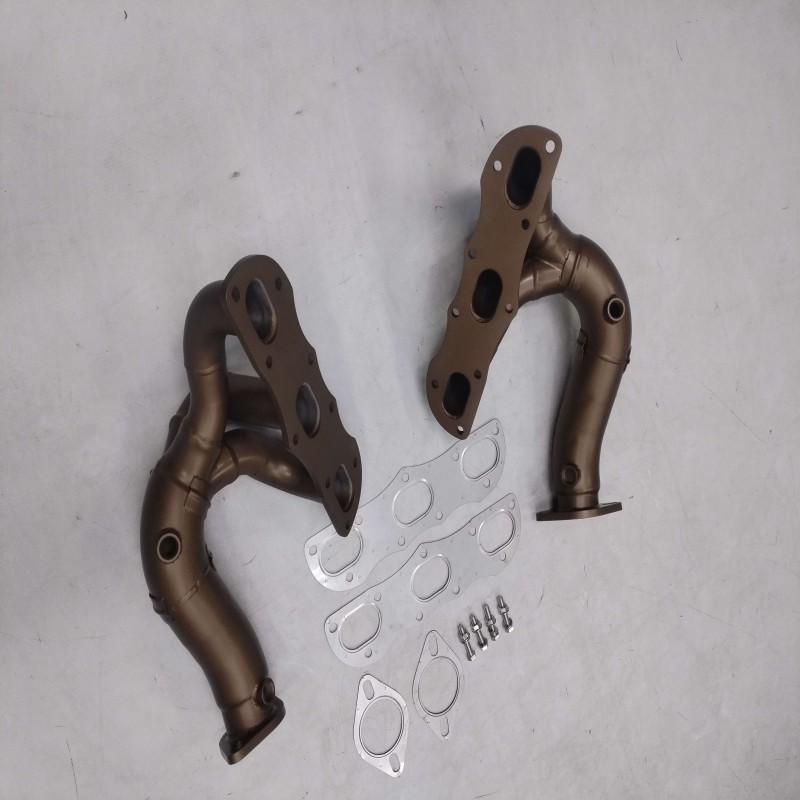
Ceramic Coated Super Hi-Flow Headers For Porsche 981 Boxster / Cayman

The mid-engine layout of the 981 Cayman and Boxster gifts them with perfect balance—but it also traps heat.Once you bolt on a set of high-flow headers, pipe-shell temperatures can exceed 650 °C. The radiant heat silently attacks wiring boots, vacuum lines, coil packs and even the plastic intake manifold.

 Porsche 981 Boxster / Cayman exhaust headers

A thin layer of ceramic coating looks cosmetic, yet it delivers instant advantages both on the road and on circuit.


981-Specific Game Plan: Headers Only, Or Full System?

Component

Coating?

Reason

Headers

MUST

Hottest part, biggest payoff. Do it before first install—surface is clean.

Cat-back

Skip

Far from heat-sensitive parts; factory heat shields suffice.


FAQ

Q: Will the engine run too cold?
A: Coolant thermostat and radiator control water temp. The coating only blocks radiant heat to the bay—no effect on combustion.

Q: Can the coating flake off?
A: Properly cured industrial ceramic has H-pencil adhesion. Expect 5–7 years of street & track use. Chips from jack slips can be spot-repaired.

Q: How much power will I gain?
A: Heat retention itself does not create horsepower, but it stabilizes intake temps and ignition timing. Expect a “smoother” power curve and less summer heat-soak loss—typically 3–5 whp recovered, not added.

Q:What colors of ceramic tiles are available ?

A:Black, silver and bronze colors now.

Q: Can we obtain a sample for testing?

A: Yes, sample can be provided.

More questions? Please contact our professional sales consultant.


Bottom Line

For a Porsche 981, ceramic-coated headers are cheap insurance against the enemy you can’t see: radiant heat. You won’t notice the mod in the parking lot, yet every lap, every red-light summer crawl, the coating is shielding wiring, hoses and your coil packs from an early grave. Do it once—then forget about it and drive.

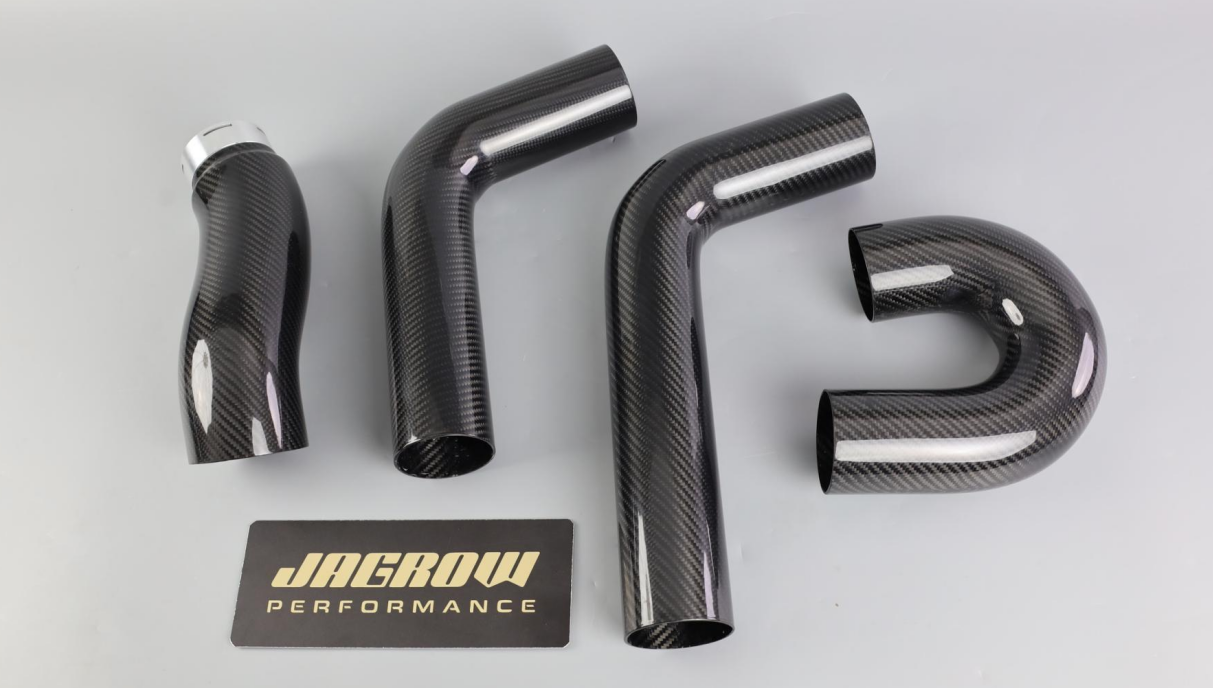
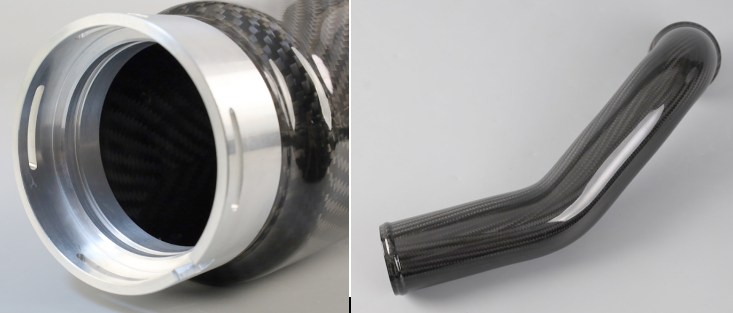
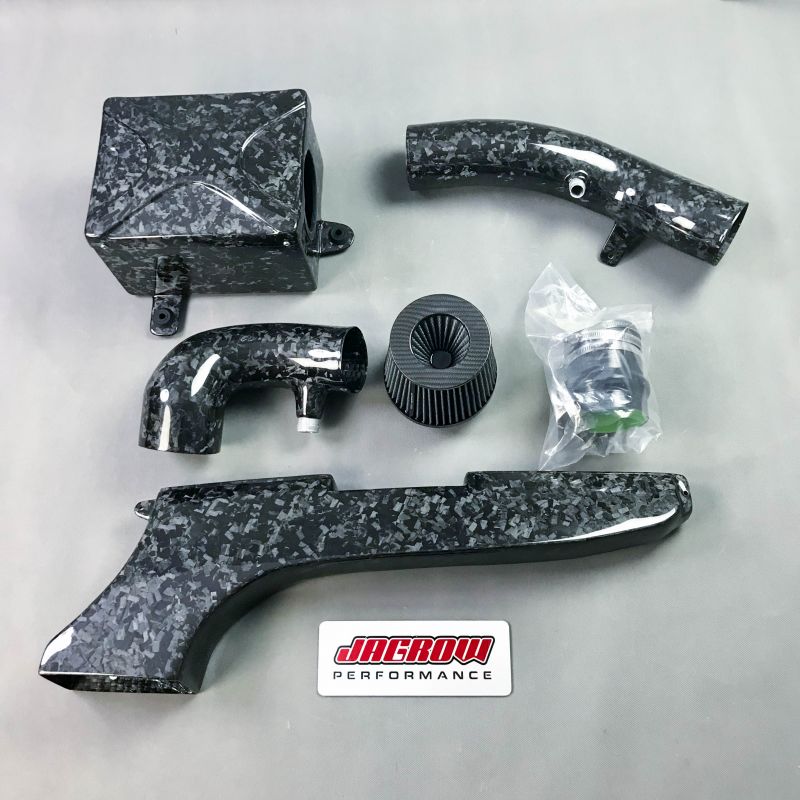
Custom aluminum pipes to carbon fiber material

Custom aluminum pipes to carbon fiber material


Compared to traditional metal pipes (such as aluminum and steel pipes), the core advantage of carbon fiber pipes stems from their composite material properties and anisotropy (i.e., different properties in different directions). The following are some of their most prominent advantages:

G8X carbon fiber intake kit


1. Superior Strength-to-Weight and Stiffness-to-Weight Ratios

This is the most significant advantage.

Data: Carbon fiber has a density of ~1.6 g/cm³, compared to ~2.7 g/cm³ for aluminum.

Benefit: For a tube of equal stiffness, a carbon fiber version can be 40-60% lighter. Conversely, for a tube of equal weight, the carbon fiber tube will be dramatically stronger and stiffer, particularly in the axial direction. This leads to improved acceleration, energy efficiency, and payload capacity in applications like aerospace, drones, and high-performance vehicles.


2. Exceptional Fatigue Resistance

Benefit: Carbon fiber composites have a much higher fatigue limit than aluminum. They are less susceptible to crack propagation under repeated loading cycles (e.g., vibration, bending).


3.Corrosion and Chemical Resistance

Benefit: Carbon fiber is inert and does not rust or corrode like aluminum. It performs excellently in harsh environments, including exposure to saltwater, chemicals, and moisture, eliminating the need for protective anodizing or coatings.


4. With advancements in technology, carbon fiber metal parts can now be bonded together more perfectly.


5.The costs have also dropped significantly, and the more you purchased the more cost-effective it becomes.

Dry carbon fiber pipe

6. Customized requirements are available,such as logo,packaging etc.Jagrow can develop new carbon fiber parts by drawings/samples.


Feel free to contact us if you have any customzied requirements.


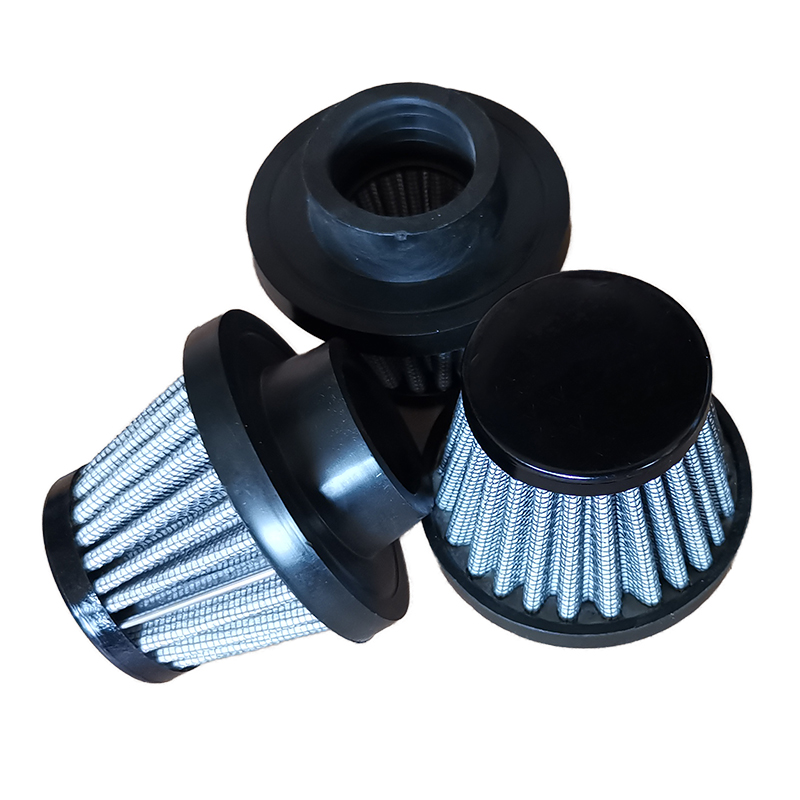
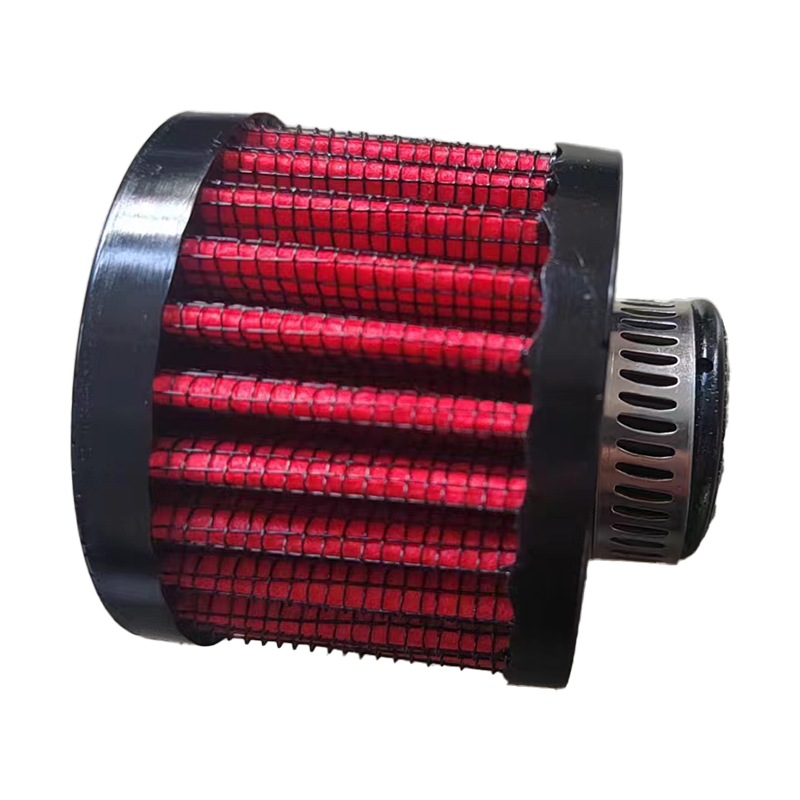
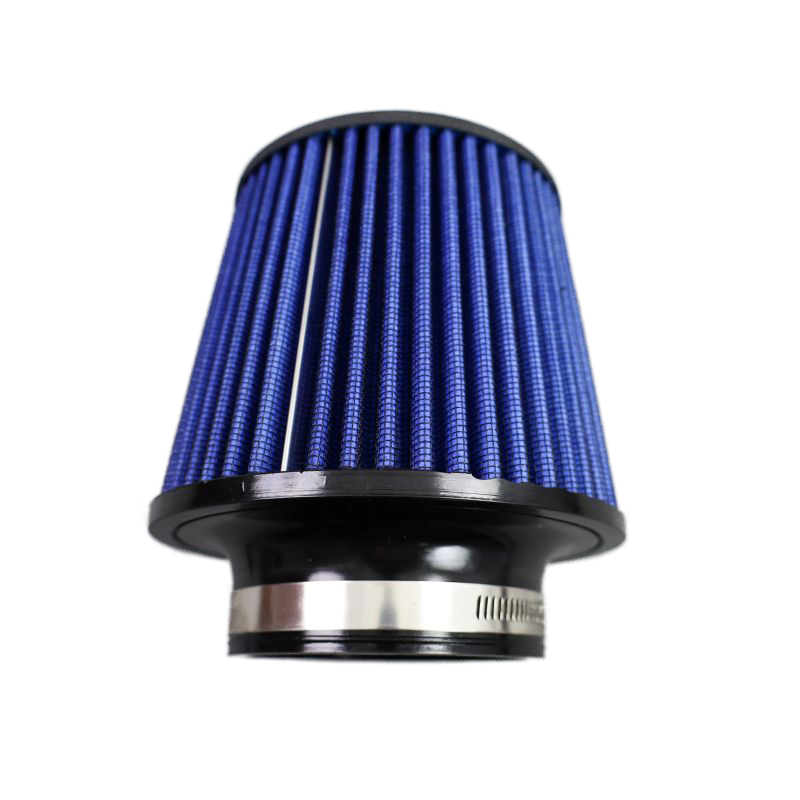
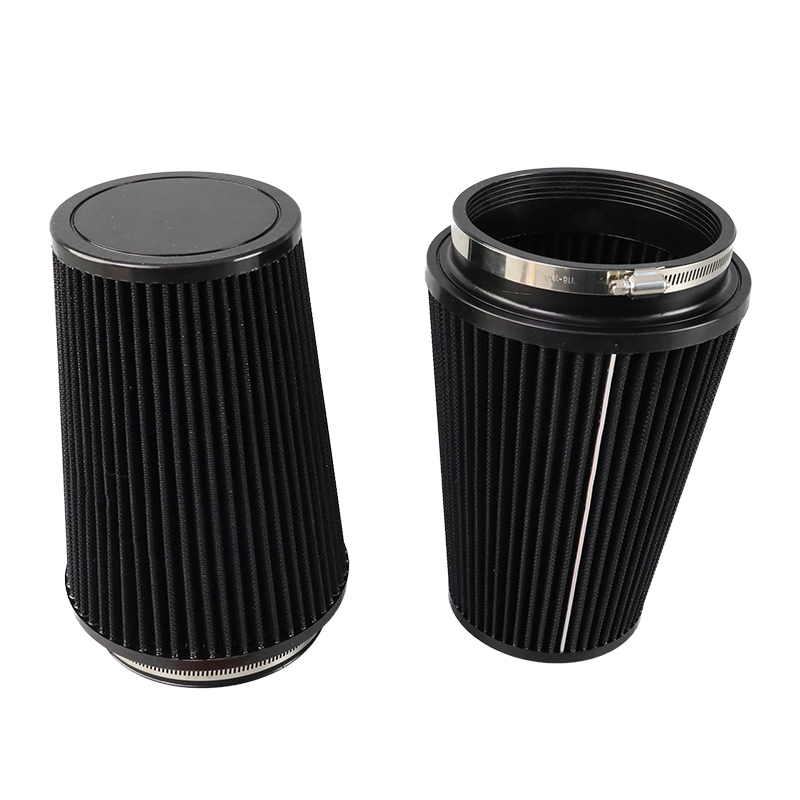
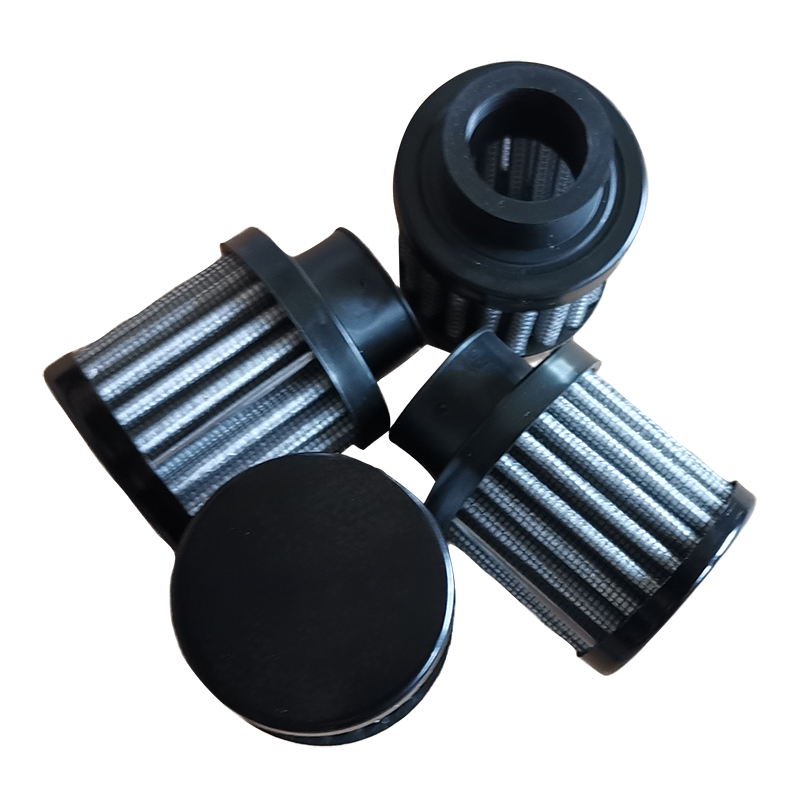
Customized air filter

A custom or high-performance air filter is a popular upgrade for car enthusiasts and everyday drivers alike,offers a range of advantages for your vehicle's health, performance.

Customized air filters

Improved Airflow: Custom filters, often made from cotton gauze or Non-woven fabric,304SS wire.This allows a greater volume of air to flow smoothly into the engine.

Customized air filters

Better Combustion: With more oxygen available, the engine can burn fuel more completely and efficiently. This typically results in a slight but noticeable increase in horsepower and torque, especially during acceleration.

Customized air filters

Customized Mesh:Iron or Aluminum Mesh,depends on your need

 Customized air filters

Air filter shape:Style can be produced according to step drawing or physical sample,further boosts performance potential.

Customized air filters

In summary, It's one of the most popular first upgrades for anyone looking to improve their driving experience.


Have you upgraded your intake system yet

The Pros and Cons of Silicone vs. Aluminum Intake Systems in the Automotive Tuning Industry

When it comes to automotive tuning and performance upgrades, one of the key components often discussed is the intake system. The intake system plays a significant role in the vehicle’s engine efficiency and overall performance, as it is responsible for directing air into the engine. For enthusiasts looking to enhance their cars’ intake systems, two popular materials used for intake tubes are silicone and aluminum. Both materials have their advantages and drawbacks, which can influence the decision-making process depending on the vehicle's needs, purpose, and budget.

In this blog, we’ll explore the pros and cons of both silicone intake systems and aluminum intake systems to help you make an informed decision for your car modification project.


Silicone Intake Systems

Pros:

1. Flexibility and Customization:Silicone hoses are highly flexible, which makes them ideal for custom intake designs. They can be bent easily without kinking, which allows for more freedom in routing the intake system. This is especially useful for tight spaces or custom builds where precision is key.

2. Durability Under High Temperatures:Silicone can withstand high temperatures without degrading, making it a suitable choice for performance vehicles, especially those that undergo heavy use, such as racing cars. They are resistant to high levels of heat from the engine and exhaust, ensuring long-lasting performance.

3. Lightweight:Compared to metal tubing, silicone hoses are incredibly lightweight. This can help reduce the overall weight of the vehicle, which is crucial for performance-focused builds where every gram counts.

4. Resistance to Corrosion:Silicone is highly resistant to corrosion and oxidation. This means that even in humid or salty environments, silicone hoses will not rust or degrade, which can be a concern with metal-based intake systems.

5. Noise Reduction:Silicone has natural vibration-dampening properties. This can result in a quieter and more refined intake sound compared to the harsher, metallic noise generated by aluminum tubes.

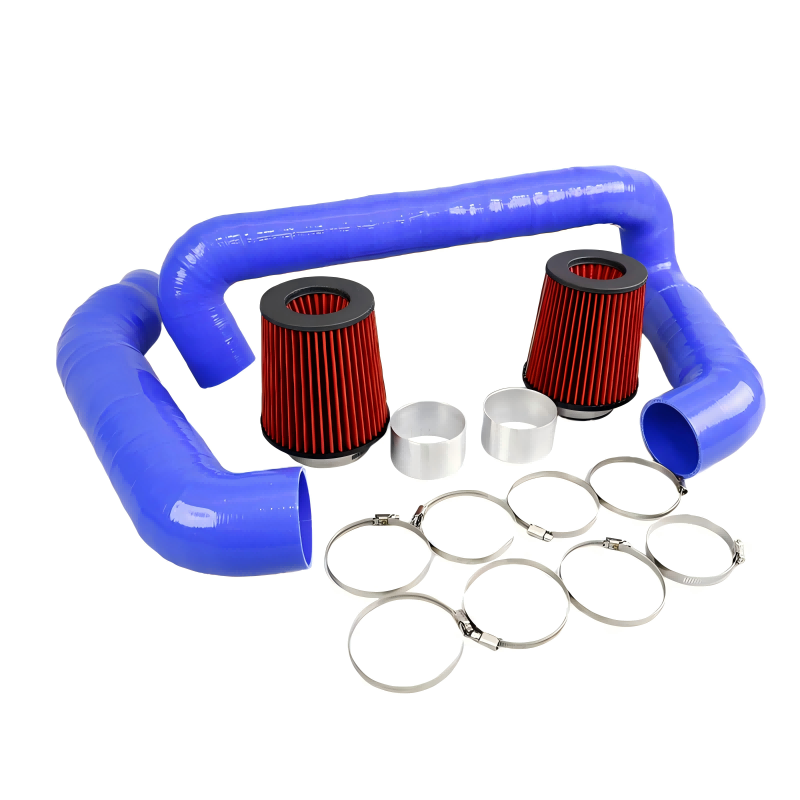
 BMW M3 M4 G8X silicone intake kit


Cons:

1. Less Aesthetic Appeal:While silicone hoses come in various colors, they might not match the aesthetic appeal of some enthusiasts who prefer a more polished, high-end look. Aluminum systems often provide a sleeker, more professional finish.

2. Limited Resistance to Oil and Fuel:Silicone can degrade when exposed to certain oils, fuels, or chemical additives, especially in high-performance engines where these substances might be present. In some cases, prolonged exposure to these elements could lead to cracking or breakdown.

3. Prone to Heat Expansion:Although silicone can withstand high temperatures, it is still susceptible to heat expansion. This could lead to the hose expanding slightly under extreme conditions, which could affect performance or cause a poor seal if not properly installed.


Aluminum Intake Systems

1. Pros:Aesthetic Appeal:Aluminum intake tubes offer a sleek, shiny finish that is often favored for its clean and polished look. For many car enthusiasts, this polished appearance adds to the overall "wow factor" under the hood.

2. Strength and Durability:Aluminum is a strong material that is highly resistant to physical damage. It doesn’t crack or tear as easily as silicone, making it a robust option for high-performance applications that experience a lot of stress or extreme driving conditions.

3. Temperature Control:Aluminum has excellent thermal conductivity, meaning it can help dissipate heat more effectively than silicone. This can result in cooler intake temperatures, potentially improving engine performance, especially in forced induction setups like turbocharged or supercharged vehicles.

4. Low Maintenance:Aluminum is not susceptible to wear and tear in the same way as silicone. It is resistant to many chemicals, including oils and fuels, making it a more durable choice in environments where such fluids are present.

5. Precision Fitment:Because aluminum intake tubes are often fabricated from metal, they can be precisely manufactured for a perfect fit. This precision often results in a more rigid and stable intake system that holds its form over time.


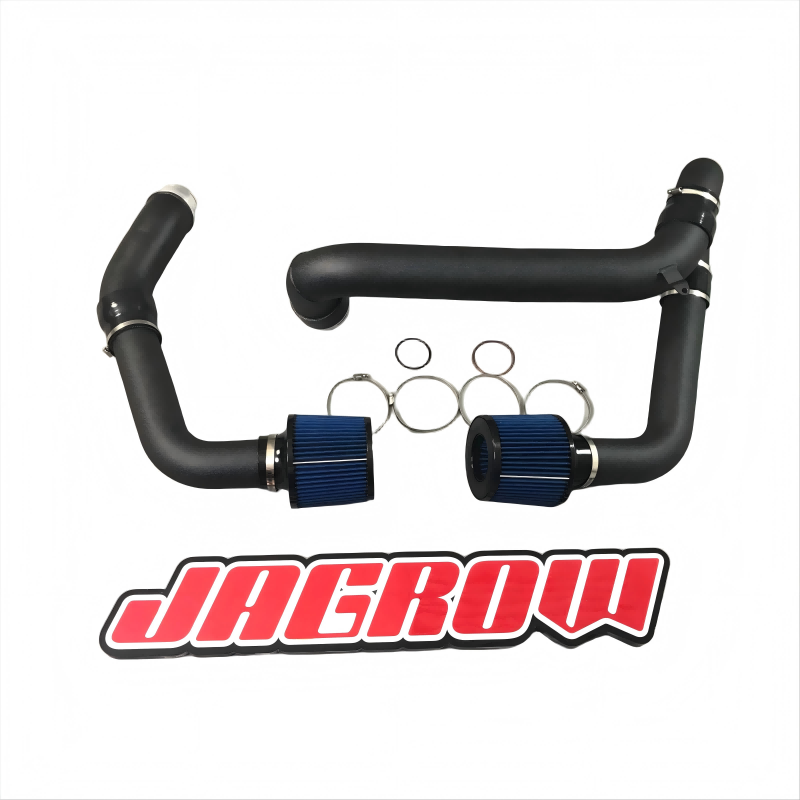
 BMW M3 M4 G8X aluminum intake kit


Cons:

1. Heavier Than Silicone:Aluminum is significantly heavier than silicone, which can be a concern for those who are looking to reduce the overall weight of their vehicle. While the difference may not be massive, it could be significant for track or race cars where every bit of weight counts.

2. More Expensive:Aluminum intake systems are generally more expensive than silicone alternatives. The cost is attributed to the manufacturing process and the materials themselves. For budget-conscious enthusiasts, this can be a deterrent.

3. Risk of Cracking or Denting:While aluminum is durable, it is also prone to denting and cracking under extreme force or impact. This could be a concern for vehicles that are regularly exposed to harsh environments or off-road conditions.

4. Limited Flexibility:Unlike silicone, aluminum intake tubes are rigid and cannot be easily bent. This means that customization of the intake routing might be limited, especially in confined spaces. Additionally, an improper fit could result in leaks or poor airflow.

1. 


Which Should You Choose?

Both silicone and aluminum intake systems have their merits, and the best choice will depend on your car’s needs, your budget, and the specific goals of your performance upgrade.

Choose Silicone if:

1. You need a flexible, lightweight, and cost-effective solution.

2. You’re working on a custom build where routing and fitment are crucial.

3. You prioritize ease of installation and noise reduction.

4. Your car operates in a relatively clean environment (not exposed to too many oils or chemicals).

Choose Aluminum if:

1. You’re looking for a more polished, professional appearance.

2. Your focus is on durability, strength, and resistance to impact.

3. You want superior heat dissipation and temperature control for high-performance applications.

4. Your car is exposed to harsh conditions and you need an intake that is low-maintenance and resistant to damage.

In the end, both materials can enhance the performance and aesthetic of your intake system, but understanding their unique properties will ensure you make the best choice for your vehicle.


Have you upgraded your intake system yet? Which material did you choose, and why? Let us know your thoughts in the comments below!


How Different Intake Pipe Materials Affect Engine Airflow and Performance?

How Different Intake Pipe Materials Affect Engine Airflow and Performance?


When tuning an engine, most enthusiasts focus on turbochargers, exhaust systems, or ECU maps—but the humble intake pipe plays a far more critical role than it seems. Its material composition can significantly affect airflow efficiency, intake air temperature, throttle response, and even the sound of your engine. Let’s dive into how aluminum, silicone, plastic, titanium, and carbon fiber intake systems each influence performance.


1. The Role of the Intake Pipe

The intake pipe connects your air filter to the throttle body (or turbo inlet). Its job is to ensure that the engine receives a consistent, cool, and smooth stream of air.

The key factors that determine intake efficiency include:

Air temperature (IAT) — Cooler air is denser, bringing in more oxygen.

Flow resistance — Smoother airflow equals better volumetric efficiency.

Thermal conductivity — Materials that resist heat keep the air cooler.

Weight and rigidity — Lighter materials improve response and reduce vibration.


 2. Comparing Intake Pipe Materials

Material

Thermal Conductivity

Weight

Durability

Typical Characteristics

Aluminum

High (absorbs heat quickly)

Light

Excellent

Great airflow, but heats up fast

Silicone

Low

Medium

Good (flexible, heat-resistant)

Stable temperatures, slight expansion under pressure

Plastic (ABS/PP/Nylon)

Very low

Very light

Moderate

Good insulation, low cost, smooth interior

Titanium

Moderate

Very light

Exceptional

Excellent strength-to-weight, exotic tone

Carbon Fiber

Extremely low

Ultra light

Very good

Excellent insulation, premium appearance


3. How Each Material Affects Air Intake

Aluminum: Strong Flow, High Heat

Aluminum intake pipes are popular in performance and aftermarket setups due to their rigidity and smooth internal surfaces, which promote excellent airflow.
However, aluminum’s high thermal conductivity means it absorbs engine bay heat quickly—raising intake air temperatures and slightly reducing power.
Ideal for: Turbocharged engines with intercoolers, or applications emphasizing throttle response and sound.


Silicone: Heat-Resistant and Flexible

Silicone intake pipes are known for their heat insulation and flexibility. They resist cracking, vibration, and heat soak better than rubber or aluminum.
Their only downside is that under high boost, silicone may slightly expand, delaying throttle response.
Ideal for: Turbocharged or supercharged engines needing durable, temperature-stable connections.

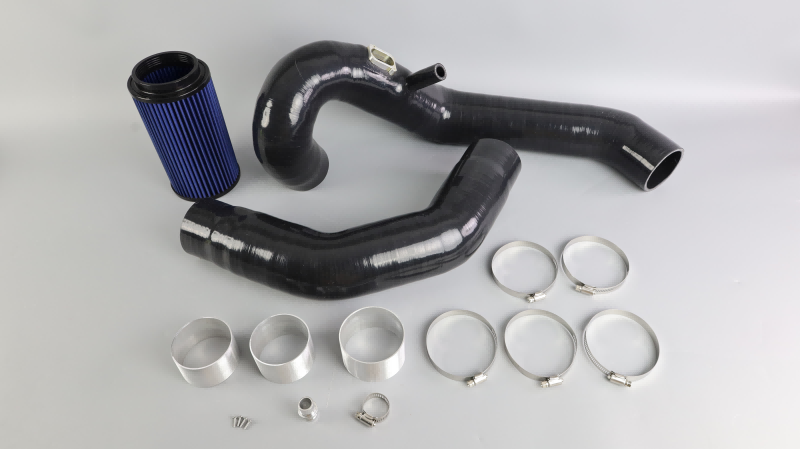
Silicone hose intake pipe


Plastic: Lightweight and Thermally Stable

Modern OEMs increasingly use engineered plastics (like ABS or nylon) for intake systems.
Plastic offers excellent thermal resistance, keeping intake air cooler even in hot engine bays. It’s also lightweight, cost-effective, and allows complex shapes for optimized airflow.
However, it’s less durable under extreme heat or boost compared to metal or carbon.
Ideal for: Daily drivers and modern stock applications focusing on smoothness and efficiency.

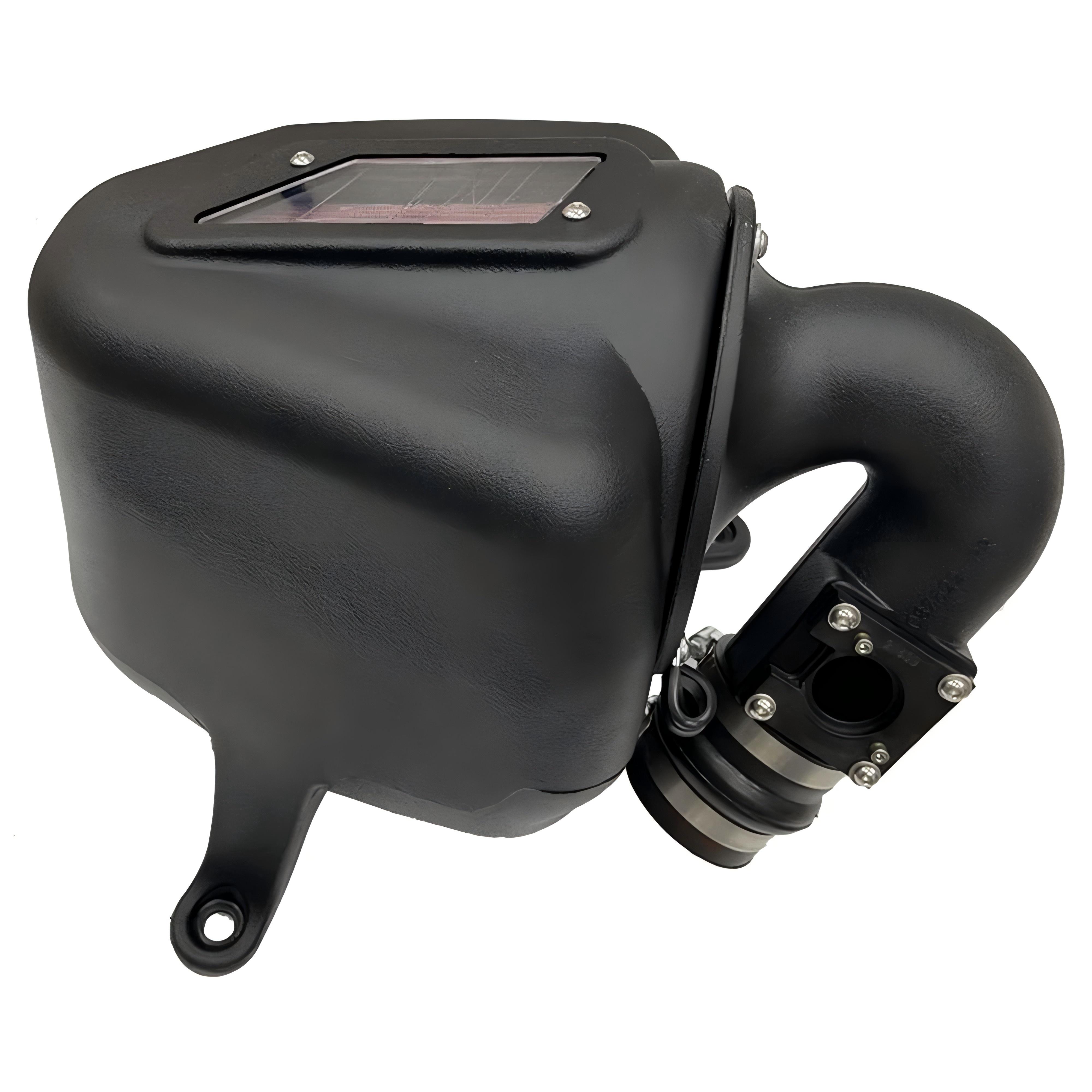
Plastic air intake pipe


Titanium: The Exotic Performer

Titanium intake pipes are rare and expensive—but they combine the strength of steel, the lightness of aluminum, and better heat resistance than either.
They also produce a distinct metallic intake sound that enthusiasts love.
Ideal for: High-end builds and motorsport applications where performance, weight savings, and aesthetics matter equally.


Carbon Fiber: The Ultimate in Performance and Style

Carbon fiber intake pipes are the pinnacle of design and function.
Their extremely low thermal conductivity keeps intake air temperatures as cool as possible, while their light weight improves throttle response.
They also look stunning under the hood, adding a premium touch. The only downside: cost.
Ideal for: High-performance cars and enthusiasts seeking maximum efficiency and style.

Carbon fiber intake pipe


4. How Material Affects Driving Feel and Sound

Factor

Aluminum

Silicone

Plastic

Titanium

Carbon Fiber

Airflow Smoothness

Excellent

Good

Very good

Excellent

Excellent

Heat Resistance

Poor

Very good

Excellent

Good

Excellent

Throttle Response

Sharp

Slightly delayed

Smooth

Very sharp

Very sharp

Sound Character

Loud, metallic

Muted

Quiet

Crisp, metallic

Refined, resonant

Aesthetic Appeal

Industrial

Functional

OEM

Exotic

Premium


5. Finding the Right Balance

Choosing the best intake pipe material depends on your goals:

For everyday reliability: Plastic or silicone is best.

For performance tuning: Aluminum offers strong flow and a sportier tone.

For extreme builds or show cars: Carbon fiber or titanium provides the ultimate performance and visual appeal.


In short:

Aluminum = airflow and aggression.

Silicone = durability and heat control.

Plastic = practicality and efficiency.

Titanium = lightweight strength.

Carbon fiber = cool air, cool looks.


Final Thoughts

Your intake system is more than a pathway for air—it’s an integral part of your car’s breathing system.
By understanding how different materials behave under heat, pressure, and vibration, you can fine-tune your intake setup for the perfect blend of performance, sound, and style.