Buying excavator undercarriage parts is not simply a matter of finding a low price. The right parts must match the machine, withstand the working conditions, and work correctly with the other components in the undercarriage system. A part that looks similar to the original may still have the wrong dimensions, pitch, mounting arrangement, or material properties.
Before placing an order, buyers should check machine compatibility, part specifications, manufacturing quality, expected service life, and supplier reliability. These checks are particularly important for distributors, equipment maintenance companies, contractors, and wholesalers purchasing excavator undercarriage parts in bulk.
YINTPARTS manufactures excavator and bulldozer undercarriage components, including track chain links, bottom track rollers, sprockets and segments, and other machinery spare parts. The following checklist explains what to verify before choosing a supplier and ordering replacement parts.
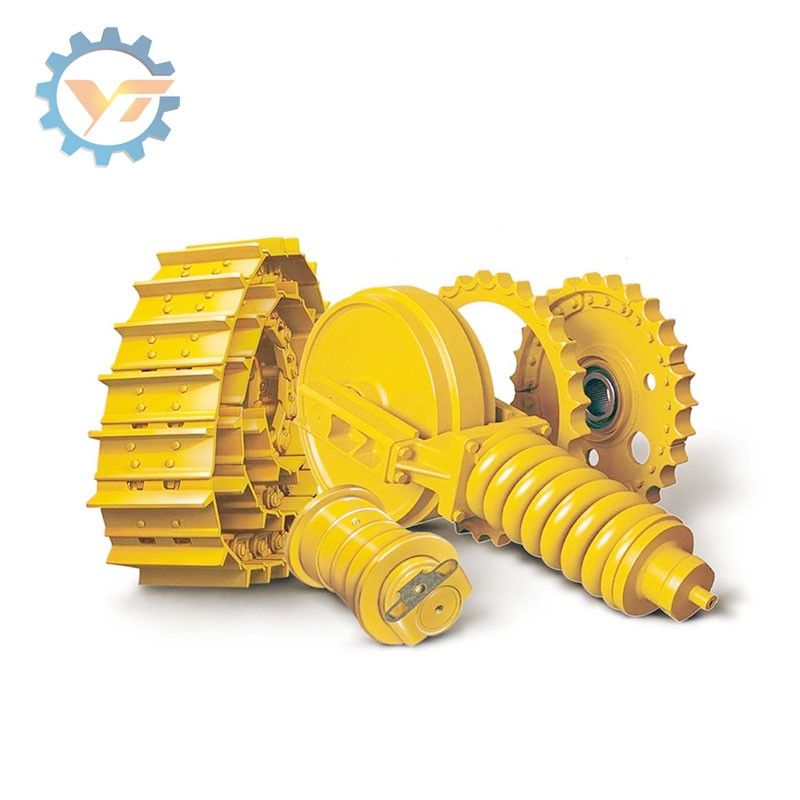
Confirm Machine Compatibility Before Ordering
Machine compatibility should be the first check when buying replacement undercarriage parts. Excavators from different manufacturers, and even different models from the same manufacturer, may use components with different dimensions and specifications.
Before requesting a quotation, prepare the following information:
- Excavator brand and exact model
- Machine serial number or production series, when available
- OEM part number or existing component number
- Required dimensions and mounting specifications
- Photos of the existing part, including its markings and connection points
The machine model is a useful starting point, but it may not be enough to confirm compatibility. Previous repairs, machine modifications, or differences between production versions can affect the part required. If the original part number is unavailable, send clear photos and measurements to the supplier for verification.
For example, when sourcing excavator track chain links, buyers should confirm the chain pitch, link dimensions, and compatibility with the machine's sprocket and other connected components. Incorrect specifications can cause poor engagement, accelerated wear, and unnecessary downtime.
Check Part Numbers, Dimensions, and Technical Specifications
A correct part number provides a useful reference, but buyers should also verify the technical details before confirming an order. When purchasing aftermarket excavator undercarriage parts, compare the supplier's specifications with the original component or the machine manufacturer's requirements.
Important details vary by component. Track chains require attention to pitch and link dimensions. Rollers need suitable mounting dimensions, flange configurations, and contact surfaces. Sprockets must engage correctly with the track chain, while track shoes need the correct width, bolt pattern, and mounting arrangement.
Ask the supplier to confirm the applicable drawings, measurements, and part references in writing. For custom or less common components, provide a sample or technical drawing if possible. Written confirmation reduces misunderstandings between the purchasing team, supplier, and maintenance department.
When evaluating excavator sprockets and segments, check tooth profile, mounting dimensions, and compatibility with the existing track chain. Replacing a single component without considering its mating parts may not solve an underlying wear problem.
Evaluate Material Quality and Heat Treatment
Undercarriage parts operate under repeated loads, impact, abrasion, and contact with soil, gravel, or rock. Material selection and manufacturing processes therefore have a direct effect on component performance.
When comparing suppliers, ask what material grades are used and which manufacturing processes are applied to the specific part. Depending on the component design, relevant factors may include steel composition, heat treatment, hardness, core toughness, dimensional accuracy, and machining quality.
Hardness alone does not tell the whole story. A component needs an appropriate balance between surface wear resistance and resistance to impact or cracking. The required properties depend on the component's design, load, and operating environment.
YINTPARTS describes the use of professional quenching, tempering, and machining processes for its excavator and bulldozer spare parts. Buyers can ask the company for the specifications, inspection details, or supporting documentation available for the particular product they intend to purchase.

Inspect Wear Resistance and Expected Service Life
The lowest purchase price does not always result in the lowest operating cost. If a component wears out prematurely, the buyer may face additional replacement costs, labor expenses, machine downtime, and possible damage to connected parts.
Ask how the supplier controls wear-related quality and what product information is available to support your decision. Useful questions include:
- What material and heat-treatment process are used for this component?
- Which operating conditions is the part designed for?
- What inspection procedures are used during production?
- Are dimensional or hardness inspection records available?
- What factors could affect service life in the intended application?
Actual service life depends on several variables, including ground conditions, machine weight, operator practices, track tension, maintenance frequency, and the condition of connected components. A supplier should not be expected to guarantee the same service life under every working condition.
For machines operating on abrasive or uneven terrain, the condition of excavator bottom track rollers deserves particular attention. Inspecting the rollers alongside the track chain, sprockets, and idlers can help identify related wear rather than treating each damaged part in isolation.
Consider the Condition of Connected Undercarriage Parts
Undercarriage components work together as a system. A new component may wear faster than expected if other parts are already excessively worn, incorrectly adjusted, or incompatible.
Before ordering, inspect the surrounding components and identify whether the problem is limited to one part or affects the wider assembly. For example, a worn sprocket can affect track-chain engagement, while incorrect track tension may increase loads on rollers and other undercarriage components.
A practical inspection should consider:
- Track chain wear, pitch elongation, and link condition
- Sprocket tooth wear and chain engagement
- Roller surface condition, leakage, and abnormal noise
- Idler condition and track alignment
- Track shoe damage and loose or damaged fasteners
If several connected parts are worn, replacing only one component may provide limited benefit. Ask the maintenance team or supplier to assess the overall condition before deciding which parts should be replaced together.
Compare the Supplier's Manufacturing and Customization Capabilities
A reliable supplier should be able to explain what it manufactures, which machine applications it supports, and how it verifies the parts supplied. This matters particularly when sourcing components for older machines, less common models, or repeat wholesale orders.
Before choosing an excavator undercarriage parts manufacturer, consider the following:
- Product range: Can the supplier provide the required component and related parts?
- Technical communication: Can it review part numbers, drawings, samples, and dimensions?
- Production processes: Can it explain the manufacturing and heat-treatment processes relevant to the product?
- Quality control: What inspection steps and records are available?
- Order flexibility: Can it handle the required quantities and discuss special specifications?
- Communication and support: Can it provide clear quotations, order confirmations, and shipping information?
YINTPARTS states that it manufactures excavator and bulldozer spare parts and can produce OEM parts according to samples, designs, or technical drawings. Buyers with non-standard requirements should submit the available technical information and confirm feasibility with the company before placing an order.
Review the company's excavator and bulldozer parts range to identify relevant products, then confirm the exact model and specification with the supplier. A product listing is a starting point for selection, not a substitute for compatibility verification.
Calculate the Total Purchasing Cost
When comparing quotations, look beyond the unit price. The full purchasing cost may include packaging, shipping, import duties, payment fees, inspection expenses, and the cost of downtime if the part arrives late or does not fit.
For an accurate comparison, ask each supplier to quote against the same specification and order quantity. Check whether the price includes packaging, whether freight is included, and what delivery terms apply. Also confirm production lead time, payment terms, warranty conditions if offered, and the procedure for handling nonconforming goods.
For distributors and wholesalers, consistency between repeat orders can be just as important as the initial price. Clear part references, approved specifications, and documented order details help reduce purchasing errors and simplify future replenishment.
Confirm Quality Inspection, Packaging, and Delivery
Before finalizing the purchase, clarify how the order will be checked before shipment. The appropriate inspection depends on the part, order size, and buyer's requirements, but may include quantity verification, dimensional checks, visual inspection, surface condition, marking, and packaging.
For large or repeat orders, agree on the key acceptance requirements before production begins. If inspection reports, photos, or other documentation are required, include them in the order confirmation rather than requesting them only after production is complete.
Packaging also matters. Heavy steel components need suitable protection and secure packing to reduce the risk of damage during handling and transport. Confirm the packing method, shipping marks, delivery address, and expected dispatch date before the goods leave the factory.
A written order confirmation should clearly identify the part number, machine application, quantity, agreed specifications, price, lead time, and shipping terms. This creates a shared reference for both buyer and supplier.
A Practical Checklist Before You Place an Order
Use this checklist before confirming a purchase of excavator undercarriage parts:
- Machine brand, model, and serial details have been checked.
- Part number, dimensions, and mounting specifications have been confirmed.
- Compatibility with connected undercarriage components has been considered.
- Material, heat treatment, and relevant quality requirements have been discussed.
- Supplier manufacturing capabilities and inspection procedures have been reviewed.
- Unit price, total cost, lead time, and shipping terms have been compared.
- Packaging, order documentation, and acceptance requirements have been agreed.
- All key specifications are recorded in the quotation or purchase order.
If any critical detail remains uncertain, clarify it before paying or authorizing production. A short technical review before ordering can prevent expensive mistakes after delivery.
Why Choose YINTPARTS for Excavator Undercarriage Parts?
YINTPARTS supplies excavator and bulldozer undercarriage components for buyers seeking replacement parts for crawler machinery. Its product range includes track chain links, bottom track rollers, sprockets and segments, and other undercarriage-related parts.
The company describes its use of quenching, tempering, and machining processes to support the mechanical properties and wear resistance of its products. It also states that OEM parts can be manufactured according to customer samples, designs, or technical drawings.
When contacting YINTPARTS, provide the machine model, part number, required quantity, and any available drawings or photos. Include the intended working conditions if they are relevant to part selection. This information helps the team review your requirements and determine the appropriate product specifications.
To discuss a replacement requirement or request a quotation, visit the YINTPARTS official website and provide the details of the parts you need.
Frequently Asked Questions About Buying Excavator Undercarriage Parts
What should I check first when buying excavator undercarriage parts?
Start by confirming the excavator model, serial details where available, part number, and required dimensions. Then verify compatibility with connected components, manufacturing quality, supplier capabilities, total cost, and delivery terms.
How do I make sure excavator undercarriage parts fit my machine?
Provide the supplier with the machine brand and model, OEM part number, technical drawings, and clear photos or measurements of the original component. For critical parts, confirm dimensions and compatibility in writing before ordering.
Are cheaper aftermarket excavator parts always a better choice?
No. A lower unit price may be offset by shorter service life, poor fit, more frequent replacement, or additional downtime. Compare equivalent specifications, quality controls, expected application, and total purchasing cost rather than price alone.
What affects the service life of excavator undercarriage parts?
Service life depends on material and manufacturing quality, heat treatment, ground conditions, machine loading, track tension, maintenance, and the condition of connected parts. No single service-life estimate applies to every machine or job site.
Can YINTPARTS manufacture excavator undercarriage parts from samples or drawings?
YINTPARTS states that it can manufacture OEM excavator and bulldozer spare parts according to customer samples, designs, or technical drawings. Buyers should submit their requirements and confirm feasibility, specifications, and lead time with the company.
What information should I send to an undercarriage parts supplier for a quotation?
Include the machine brand and model, part number, required quantity, photos or drawings, key dimensions, destination country, and any special quality or packaging requirements. Complete information helps the supplier assess the request and prepare a more accurate quotation.