Cracks in excavator bucket teeth and adapters are usually caused by a combination of impact loading, excessive digging force, unsuitable material properties, heat-treatment problems, and incorrect tooth-to-adapter fit. Repeated stress can gradually create small cracks that grow until a tooth or adapter breaks during operation.
For excavator owners, fleet managers, and parts buyers, the key is to identify where the crack starts and understand the working conditions behind it. Replacing a damaged component without correcting the underlying cause may lead to the same failure on the replacement part.
Yintparts manufactures ground engaging tools, including bucket teeth and adapters, using professional quench-tempering processes. When investigating cracking problems, buyers should consider material quality, heat treatment, component compatibility, and the actual digging application together.
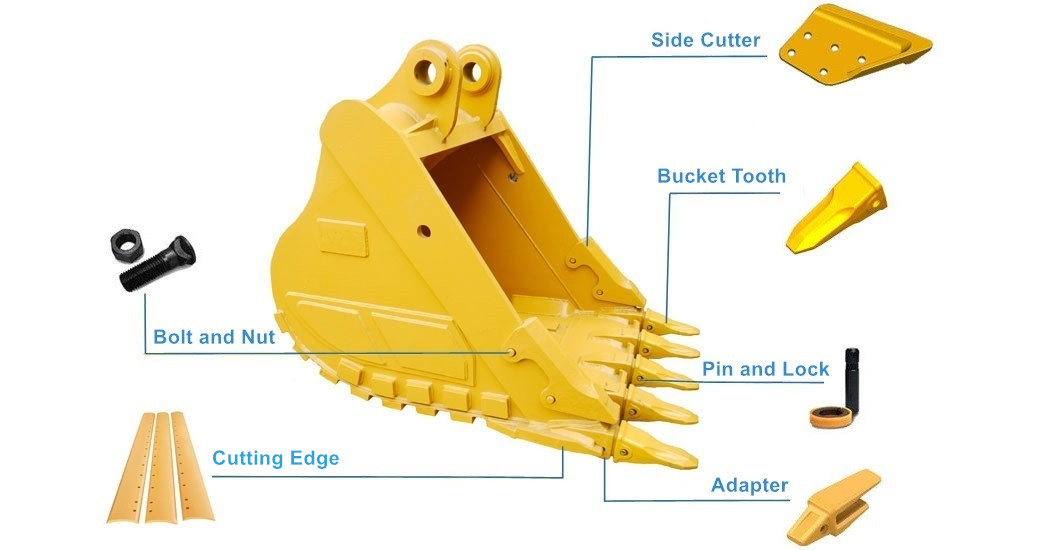
What Causes Cracks in Excavator Bucket Teeth and Adapters?
The most common causes are repeated impact, excessive bending stress, material or heat-treatment issues, poor fit between the tooth and adapter, and operating conditions that exceed the component's intended application. The crack location often provides the first clue.
- Cracks near the tooth tip: May indicate repeated impact, hard rock penetration, or severe abrasion combined with impact.
- Cracks around the tooth base: Can result from bending loads, stress concentration, or an unsuitable tooth design for the application.
- Cracks at the adapter or weld area: May be associated with high loads, poor support, welding defects, or stress transferred into the bucket structure.
- Cracks appearing unusually early: Require closer investigation of material quality, heat treatment, manufacturing consistency, and whether the part matches the machine and working conditions.
These are diagnostic clues rather than definitive conclusions. A crack's location should be assessed alongside the fracture surface, wear pattern, installation condition, and operating history.
How Impact Loads and Excessive Digging Force Cause Cracks
Bucket teeth are designed to penetrate material and transfer digging forces into the bucket. When an excavator repeatedly strikes large rocks, frozen ground, or compacted material, the tooth may experience sharp impact loads rather than a relatively steady digging force.
Repeated impacts can initiate tiny cracks at surface defects, worn areas, or geometric stress concentrations. As the load continues, these cracks may grow until part of the tooth breaks away. The same problem can affect an adapter when loads are transferred through the tooth connection.
Using the bucket to hammer rocks, forcing the tooth sideways, or levering against immovable objects can increase bending and torsional stress. These actions may create a different failure pattern from ordinary wear.
To reduce the risk, match tooth shape and strength to the material being excavated, avoid unnecessary side loading, and use an appropriate digging technique. For applications involving rock, demolition debris, or other severe conditions, review the available excavator and bulldozer ground engaging tools to identify components suited to the intended work.
Can Material Quality and Heat Treatment Cause Bucket Tooth Cracking?
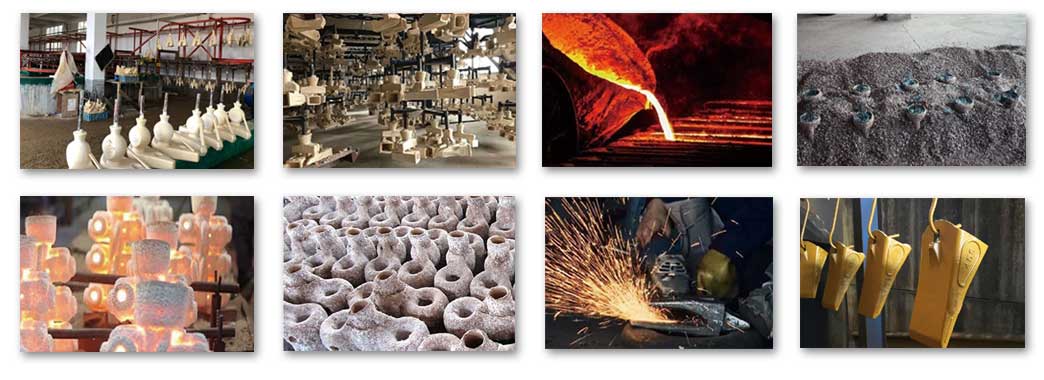
Yes. Steel composition, casting or forging quality, heat treatment, and manufacturing consistency all influence how a bucket tooth responds to impact and wear.
Hardness helps a tooth resist abrasive wear, but hardness alone does not determine durability. A component also needs adequate toughness to withstand impact. If the material is too brittle for the application, cracks may develop under repeated shocks. If the material or heat treatment is inconsistent, performance may vary between components that look almost identical.
Heat treatment is particularly important because it affects the balance between hardness, strength, and toughness. Poorly controlled processing, unsuitable material selection, or internal defects can contribute to premature failure. However, a crack does not automatically prove that the material is defective; operating loads and installation conditions must also be investigated.
When sourcing replacements, ask suppliers about material specifications, heat-treatment controls, inspection procedures, and the intended application. Yintparts' CAT bucket teeth range is one option for buyers comparing machine-specific ground engaging tools. Confirm the required part number and fitment before ordering.
How Incorrect Tooth and Adapter Fit Leads to Cracking
A bucket tooth and its adapter work as a connected system. If the tooth does not fit correctly, the load may not be distributed as intended. Excessive movement, uneven contact, or a loose retaining system can create repeated impact between mating surfaces.
Over time, this movement may accelerate wear around the tooth socket and adapter nose. It can also increase local stress, making cracking more likely under heavy digging loads. Installing a tooth that appears similar but does not match the required dimensions can create the same problem.
During inspection, check for:
- Excessive movement between the tooth and adapter.
- Incorrect or damaged pins, locks, and retaining components.
- Uneven contact, deformation, or abnormal wear around the mating surfaces.
- A tooth profile or size that does not match the adapter and machine application.
- Cracks, distortion, or severe wear on the adapter nose itself.
Do not rely on appearance alone when choosing a replacement. Compare the machine model, tooth system, part number, dimensions, and retaining arrangement. The bucket teeth and adapter product category provides a starting point for comparing available configurations.
Why Excavator Adapters Crack Near the Base or Weld Area
Adapter cracks deserve particular attention because the adapter transfers loads from the tooth into the bucket. A crack near the base or weld area may indicate repeated overload, poor support, stress concentration, an existing weld defect, or fatigue caused by repeated loading cycles.
Bucket structure and installation also matter. If an adapter is misaligned, inadequately supported, or attached using an unsuitable welding procedure, stresses may concentrate in a smaller area than intended. Repeated high-force digging can then cause the crack to grow.
When a crack appears near a weld, inspect the surrounding bucket structure rather than focusing only on the adapter. Check for distorted surfaces, damaged welds, abnormal wear, and signs that the bucket has been subjected to repeated side loading.
Welding repairs should be assessed by a qualified professional who can determine whether the component is repairable and specify the appropriate procedure for the material and application. Do not simply weld over a crack without identifying its extent and cause. If the adapter or supporting structure is significantly cracked, remove the machine from the affected work and arrange a proper inspection before returning it to service.
How to Identify Early Signs of Bucket Tooth or Adapter Failure
Not every crack begins as a large, obvious fracture. Routine inspection can help identify early warning signs before a component fails completely.
- Fine lines or visible fractures: Inspect the tooth base, adapter nose, corners, and weld areas closely.
- Unusual looseness: Movement at the tooth connection may indicate worn mating surfaces or damaged retaining parts.
- Uneven wear: One tooth wearing much faster than the others can suggest uneven loading, poor fit, or differences in working conditions.
- Deformation or chipping: Bent edges, missing pieces, and irregular damage may signal excessive impact or an unsuitable component.
- Repeated failures in the same position: Check bucket alignment, operating technique, fitment, and whether that tooth position experiences unusually high loads.
Clean the component before inspection so that mud and packed material do not hide the damage. If a crack is suspected, stop and inspect the part using a suitable method. For critical components, a qualified inspector may recommend an appropriate nondestructive testing method based on the material and geometry.
A cracked tooth or adapter should not be kept in service simply because it has not broken off yet. Continued operation can enlarge the crack and increase the risk of sudden failure, additional bucket damage, or injury.
How to Prevent Cracks in Excavator Bucket Teeth and Adapters
Preventing cracks requires more than buying a harder tooth. The most effective approach combines suitable part selection, correct installation, controlled operating technique, and regular inspection.
- Choose parts for the actual material: Consider whether the machine handles loose soil, abrasive sand, gravel, hard rock, or mixed demolition material.
- Confirm compatibility: Match the tooth and adapter to the machine, bucket, connection system, and required part number.
- Install retaining components correctly: Follow the manufacturer's installation procedure and replace worn or damaged locks and pins.
- Avoid unnecessary impact and side loading: Use the appropriate digging angle and avoid using the tooth as a hammer or pry bar.
- Inspect wear parts regularly: Look for cracks, looseness, uneven wear, deformation, and damaged welds.
- Investigate repeat failures: Record where cracks occur, how long the part has been in service, the material being excavated, and the operating conditions.
If several teeth or adapters crack prematurely under similar conditions, review the whole system instead of replacing each part without further investigation. A repeated failure pattern can help distinguish an application problem from a fitment, manufacturing, or maintenance issue.
What Should Buyers Check When Sourcing Replacement Bucket Teeth and Adapters?
Buyers should assess more than price and appearance. A suitable replacement needs to fit correctly and deliver the balance of wear resistance and toughness required by the working environment.
- Machine and part compatibility: Confirm the model, part number, tooth profile, adapter configuration, and retaining system.
- Material and processing: Ask about the steel specification, casting or forging options, and heat-treatment process.
- Quality inspection: Understand how the manufacturer controls raw materials, dimensions, processing, and finished-part quality.
- Application suitability: Explain the ground conditions and whether the main concern is abrasion, impact, or a combination of both.
- Traceability and support: Ask whether the supplier can clarify specifications, review drawings or samples, and help resolve fitment questions.
Yintparts offers excavator and bulldozer spare parts, including ground engaging tools. Its bucket teeth and adapters are processed through professional quench-tempering processes, and the company states that it can produce parts based on customer samples, designs, or technical drawings. Buyers should provide accurate machine and application details to help confirm the correct configuration.
Frequently Asked Questions About Excavator Bucket Tooth Cracks
Why do excavator bucket teeth crack near the base?
Cracks near the base may result from repeated bending loads, impact, stress concentration, poor fit with the adapter, or material and heat-treatment issues. The fracture location alone cannot confirm the cause; inspect the mating surfaces and operating conditions as well.
Can excessive hardness make bucket teeth more likely to crack?
It can be a factor if hardness comes at the expense of adequate toughness for the application. Bucket teeth need a suitable balance of wear resistance and impact resistance, so hardness should not be evaluated in isolation.
Why does an excavator bucket adapter crack near the weld?
Possible causes include repeated high loads, stress concentration, inadequate support, weld defects, or an unsuitable repair or installation procedure. The adapter and surrounding bucket structure should be inspected together.
Can I continue using an excavator bucket tooth with a small crack?
Continuing to use a cracked tooth is not recommended. The crack may grow under repeated loads and cause sudden breakage. Stop and assess the component, and replace it or obtain a qualified inspection as appropriate.
How can I reduce cracking when working in hard rock?
Choose a tooth and adapter configuration suited to the rock and impact conditions, ensure correct fitment, avoid unnecessary side loading, and inspect the parts regularly. Review repeated failures to determine whether the part selection or operating method needs to change.
What information should I provide when ordering replacement bucket teeth and adapters?
Provide the excavator model, part number if available, tooth and adapter dimensions or photos, retaining-system details, and the material being excavated. This helps the supplier check compatibility and recommend a suitable configuration.