1. Versatile Material Handling: Apart from cotton, the excavator's gripper attachment can also handle various other materials such as hay, straw, and other agricultural crops, making it a versatile tool for farmers.
2. Increased Efficiency: With its advanced gripper technology, the excavator significantly reduces manual labor and improves overall transport cotton efficiency, saving time and costs for farmers.
3. Gentle on Crops: The cotton gripper excavator incorporates delicate gripping mechanisms that protect the cotton bolls, minimizing damage during the transporting process and ensuring a higher quality crop yield.
4. Adaptability to Different Field Conditions: Whether it's flat terrain or uneven surfaces, the excavator's sturdy design and adjustable features allow it to work seamlessly in various field conditions, maximizing productivity.
5. Reduced Labor Costs: With the cotton gripper excavator's advanced technology, farmers can decrease their dependence on manual labor, leading to significant cost savings in the long run.
Versatility at Your Fingertips Explore the Diverse Applications of Excavators of Various Tonnages
Excavators are versatile and indispensable machines that have revolutionized the construction and earthmoving industries. With their capabilities and adaptable designs, these mechanical marvels offer a wide range of applications. In this article, we will explore the diverse uses and benefits of excavators across different tonnages.
Mini Excavators (1-6 tons):
Ideal for small-scale projects, mini excavators excel in tight spaces, such as urban construction sites and residential areas. They are excellent for landscaping, trenching, foundation digging, and general maintenance tasks.
Mid-Size Excavators (6-20 tons):
With added power and reach, mid-size excavators are ideal for medium-scale projects. They are commonly used in building construction, road maintenance, utilities installations, and material handling operations.
Large Excavators (20-45 tons):
Designed for heavy-duty tasks, large excavators are commonly used in mining, quarrying, and large-scale earthmoving projects. They can efficiently handle digging, loading, and hauling massive amounts of material.
Crawler Excavators:
Equipped with strong tracks, crawler excavators offer exceptional stability and mobility on uneven terrains. They are suitable for challenging environments such as rough construction sites, forestry operations, and infrastructure development.
Wheeled Excavators:
Featuring wheels rather than tracks, wheeled excavators offer enhanced maneuverability and speed, making them ideal for urban construction projects, road maintenance, and utilities installations requiring frequent relocation.
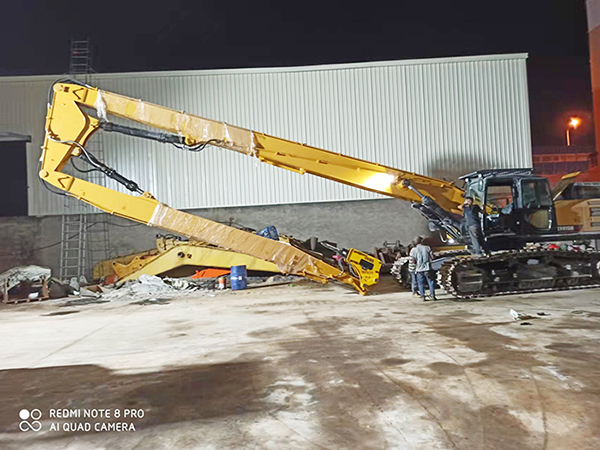
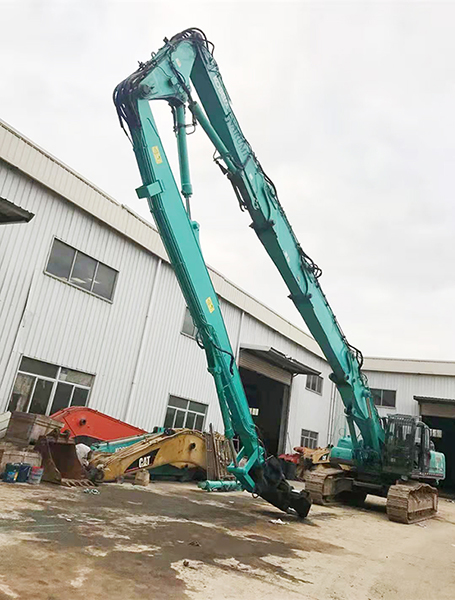
Long-Reach Excavators:
Equipped with extended arms, long-reach excavators are perfect for tasks that require extended reach, such as dredging, river maintenance, and deep foundation work.
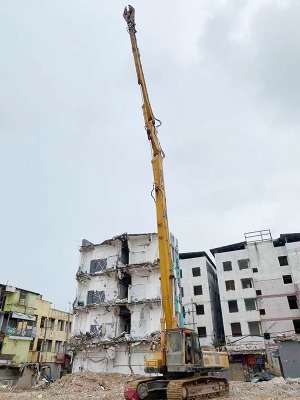
Demolition Excavators:
Fitted with specialized attachments, demolition excavators excel in controlled demolition projects. They efficiently dismantle structures, remove debris, and contribute to the recycling of construction materials.

The Crucial Role and Importance of Radiator Hoses in Vehicle Cooling Systems
When it comes to keeping our vehicles running smoothly, there are various components and systems that work in harmony to ensure optimal performance. One such critical component is the radiator hose. Often overlooked by many, radiator hoses play a vital role in the cooling system of vehicles. These hoses serve as the conduits that transport coolant to and from the engine, enabling efficient cooling and preventing overheating.
I. The Role of Radiator Hoses:
Radiator hoses act as channels through which coolant flows between the engine and the radiator. They connect various parts of the cooling system, such as the engine, water pump, radiator, and heater core, creating a closed loop system. Through the circulation of coolant, radiator hoses facilitate the transfer of excessive heat from the engine to the radiator, where it is dissipated into the surrounding air.
II. Types of Radiator Hoses:
2.1 Upper and Lower Radiator Hoses:
In most vehicles, two primary types of radiator hoses are present: the upper radiator hose and the lower radiator hose. The upper hose connects the top of the radiator to the engine's upper coolant outlet, while the lower hose connects the bottom of the radiator to the engine's lower coolant inlet. Together, these hoses ensure the proper flow of coolant throughout the engine.
2.2 Heater Hoses:
In addition to the upper and lower hoses, some vehicles also have heater hoses. These hoses connect the engine to the heater core, allowing hot coolant to flow into the passenger compartment for heating purposes. Heater hoses are usually smaller in diameter than radiator hoses and play a crucial role in maintaining a comfortable cabin temperature.
III. Importance of Maintaining Radiator Hoses:
3.1 Preventing Coolant Leaks:
One of the primary reasons for maintaining radiator hoses is to prevent coolant leaks. Over time, the constant exposure to heat, pressure, coolant, and other environmental factors can cause the hoses to deteriorate. Cracks, splits, and leaks may develop, leading to coolant loss. Neglecting hose maintenance can result in coolant leakage, which not only compromises the engine cooling system but can also cause engine damage due to overheating.
3.2 Ensuring Optimal Cooling System Performance:
Properly functioning radiator hoses are essential for maintaining the efficiency and performance of the cooling system. Any restrictions or blockages in the hoses can hinder the flow of coolant, impeding the cooling process. Regular inspection and maintenance of radiator hoses help ensure the smooth circulation of coolant, preventing engine overheating and subsequent breakdowns.
3.3 Extending the Lifespan of Radiator Hoses:
By conducting routine maintenance, such as inspecting for signs of wear and tear, replacing worn-out hoses, and flushing the cooling system regularly, you can significantly extend the lifespan of your radiator hoses. This proactive approach minimizes the risk of unexpected failures and maximizes the durability of your vehicle's cooling system.
IV. Signs of Radiator Hose Problems:
4.1 Visible Wear and Tear:
Regular visual inspections of radiator hoses are essential for detecting signs of wear and tear. Look for cracks, bulges, splits, or other physical damage on the hoses. Additionally, pay attention to any signs of leakage, such as coolant stains in your vehicle's engine bay or driveway.
4.2 Soft or Swollen Hoses:
Healthy radiator hoses should feel firm yet flexible. If you notice that a hose feels excessively soft or swollen, it may be a sign of internal damage. Such hoses are more prone to leaks or bursts and should be replaced promptly.
4.3 Engine Overheating:
If your vehicle's temperature gauge consistently indicates overheating, or if you see steam coming from under the hood, it could be a sign of a failing radiator hose. Coolant leaks or blockages can disrupt the cooling process, resulting in engine overheating.
4.4 Reduced Coolant Level:
A sudden or gradual decrease in the coolant level in your vehicle's reservoir could be an indication of a radiator hose problem. Insufficient levels of coolant can lead to inefficient cooling and potential engine damage.
V. Proper Maintenance and Replacement of Radiator Hoses:
5.1 Regular Inspections:
Perform visual inspections of your radiator hoses regularly, preferably during routine engine checks or oil changes. Look for signs of damage, wear, or leaks. If you notice any issues, it's essential to address them promptly to prevent further damage.
5.2 Cooling System Flush:
Flushing the cooling system at recommended intervals helps remove debris, rust, and sediment that can accumulate and damage the radiator hoses. Flushing also helps prevent clogging in the cooling system and ensures efficient coolant flow.
5.3 Timely Replacement:
Radiator hoses have a limited lifespan, typically ranging from 4 to 6 years, depending on various factors such as usage, environmental conditions, and the type of hose material. It's crucial to replace radiator hoses when they show signs of deterioration or reach their recommended service life to prevent failures.
Conclusion:
Radiator hoses may be small and often overlooked, but their role in a vehicle's cooling system is undeniably crucial. These simple yet essential components ensure the efficient circulation of coolant, preventing engine overheating and potential damage. Regular inspection and timely maintenance of radiator hoses are paramount for a vehicle's longevity and performance. By understanding their importance and practicing proper maintenance, we can ensure the optimal functioning of our cooling systems, promoting vehicle reliability and safety on the road.


Commercial EV Charger And Home EV Charger(1)
There Are Two Type Of Electric Vehicle Chargers Accord To Charger Application: Commercial Ev Charger And Home Ev Charger. Commercial Ev Charger Is Mainly Direct Current; Home Ev Charger Is Mainly Alternating Current,It Includes Two Kind Of Chargers Which Are Smart Ev Charger And Portable Ev Charger.
There Are Four Mainly Differents Of Commercial Ev Charger And Home Ev Charger.
(1) Different Function: Commercial Charging Station Is Used For Commerical ,Such As Train Station And Carparking Place ,It Usually Charge Multiple Electric Vehicles At The Same Time,It Is Fast Charging And Internet Remote Control. Home Ev Charger Is Used For Home And Need Adapt Household Power Loads.
(2)Different Charging Speed: Commercial Charging Piles Is Fast Charging And Fully Charge EV Quickly For High Service Efficiency,It Is Highly Applicated To Electric Vehicle Rental Companies And Logistics Companies,120kw And 240kw Ev Charger Is The More Popular ; Home Charging Is For Private Home Charging, And The Charging Speed Is Slower ,7kw And 11kw EV Charger Is The More Popular.
(3)Cost Difference: The Cost Of Commercial Ev Charger Is Generally Higher, And Is Generally Invested By EV Service Providers Or Government. Home Charging Is EV Charger At Home, Which Is Cheaper, Users Can Purchase And Installation According Their Requirements.
(4)Different Installation Location: Commercial Charging Pile Is Installed In Public Places, Such As Parking Lots, Gas Stations Or Shopping Malls. Home Charging Piles Is Installation At Private Garages Or Residential Quarters .
Heavy Riddle Bucket for Excavator
The extraordinary Heavy Riddle Bucket – a must-have for all those engaged in material sorting and processing. This remarkable tool effortlessly separates soil from brick, concrete, stone, vegetation, and any other debris you may encounter.
Designed with utmost precision and expert craftsmanship, our Heavy Riddle Buckets promise unmatched durability and reliability. Its robust construction ensures it can withstand the most demanding of tasks, delivering exceptional performance year after year.
Imagine the convenience of effortlessly sifting through piles of materials, effortlessly removing unwanted elements with each precise motion. The Heavy Riddle Bucket's ingenious design allows for efficient separation, saving you valuable time and energy.
Whether you're involved in construction, landscaping, or excavation, this indispensable tool will revolutionize your workflow. Say goodbye to labor-intensive sorting and tedious manual labor. With the Heavy Riddle Bucket, you can enhance productivity while maintaining the highest standards of efficiency.
The benefits don't end there. Our Heavy Riddle Bucket also prioritizes operator comfort. The ergonomic handle design ensures a secure grip, minimizing strain and fatigue even during prolonged use. Its sleek design and optimal weight distribution make it a pleasure to operate, allowing you to effortlessly achieve outstanding results.
Invest in the Excavator Riddle Buckets today and experience the epitome of versatility and efficiency. Unleash your potential to conquer any sorting challenge, confident in the knowledge that you possess a cutting-edge tool engineered to perform flawlessly.
Don't settle for mediocrity. Trust the Heavy Riddle Bucket to elevate your material sorting game to unprecedented levels. Experience the difference for yourself and witness how this revolutionary tool transforms your operations.
Skid Steer Root Rake Grapple
Skid Steer Rock Grapple Bucket - a true game-changer in the world of attachments.
This remarkable Skid Steer attachment is designed to handle a multitude of tasks with ease. With its unique combination of sifting capabilities from Rock Buckets and the added strength of twin cylinder dual independent grapple arms, you'll be amazed at what this versatile tool can accomplish.
No longer limited to one task, the Skid Ste Grapple Bucket empowers you to effortlessly pick up rocks, efficiently clean up job sites, effortlessly clear brush, professionally dress yards, and even transport heavy logs and firewood. Its immense power and functionality will truly redefine the way you approach your daily work.

Crafted with precision and durability in mind, this grapple bucket features 10mm bucket tines and 10mm grapple tines, ensuring maximum performance in even the toughest conditions. Its enclosed cylinders and convenient grease fitting on pivot points guarantee smooth operation and longevity, delivering exceptional value for your investment.
With the Skid Steer Rock Grapple Bucket, productivity and efficiency will be at the forefront of your operations. Say goodbye to tedious manual labor and embrace a tool that effortlessly handles the most challenging tasks. Upgrade your skid steer with this exceptional attachment and experience a whole new level of performance.
Unleash the power of the Skid Steer Rock Grapple Bucket and witness how it transforms your work, making your projects more efficient, professional, and successful. Get ready to elevate your capabilities and exceed expectations, all with just one attachment. Choose excellence, choose the Skid Steer Rock Grapple Bucket.
Skid Steer Manure Fork & Regular Utility Grapple
Exquisitely crafted Regular Utility Grapple - the ultimate solution for all your agricultural needs. Designed with precision and finesse, this remarkable tool transcends conventional expectations, revolutionizing the way you handle grass and maize silage, stable manure, loose manure, straw, greenery, and prunings.
Crafted from the finest robust steel, the Skid Steer Manure Fork boasts unparalleled durability, ensuring seamless performance even in the harshest environments. Its thick-walled side plates and wear plate, nestled beneath the lower protected tines, guarantee exceptional longevity and protection against wear and tear.
Equipped with 11 impeccably forged tines, descending with precision and grace, the Regular Utility Grapple effortlessly tears through any obstacle in its path. These tines, with a length of φ36-880 mm, are strategically spaced at a gap of 206mm, proving ideal for a wide range of agricultural applications.

With an impressive opening capacity of up to 70 inches, this remarkable tool showcases its versatility by accommodating even the most demanding tasks. Whether it's heavy lifting or precise maneuvering, the Regular Utility Grapple never fails to deliver.
To further enhance its functionality, the grapple is equipped with two high-performance cylinders. These cylinders ensure a swift and controlled operation, allowing you to accomplish more tasks in less time.
Experience the epitome of excellence with the Regular Utility Grapple - a testament to our unwavering commitment to quality, innovation, and your success in the field. Embrace its unrivaled capabilities and unlock a world of possibilities in your agricultural endeavors. Ealita supply various Skid Steer Grapple for your needs.
Customization service for the exhaust catback
We provide below customization service for the exhaust catback,
Material:304 stainless steel;titanium Logo for muffler:Plate logo,Laser logo,Stamp logo
Muffler:With or without muffler
Valve:vacuum valve;electronicvalve;No valve

Logo for tail tip:Plate logo,Printing logo,Laser logo,Stamp logo
Welding color:Gold;Silver 304 stainless steel Surface finish:Brushed;Sand blast;Polished


Titanium Surface finish:Primary color;Burning blue;Burning gold;Burning Purple;plating; Brushed;Sand blast;Polished;


Tips:304 stainless steel black plated;304 stainless steel silver;304 stainless steel burning blue;Carbon fiber"M"logo bright surface;Carbon fiber silver inside matte surface;Carbon fiber blue inside bright surface;Carbon fiber black inside bright surface;Carbon fiber gold inside bright surface;Titanium;Customized tips
Commercial EV Charger And Home EV Charger
There Are Two Type Of Electric Vehicle Chargers Accord To Charger Application: Commercial Ev Charger And Home Ev Charger. Commercial Ev Charger Is Mainly Direct Current; Home Ev Charger Is Mainly Alternating Current,It Includes Two Kind Of Chargers Which Are Smart Ev Charger And Portable Ev Charger.
There Are Four Mainly Differents Of Commercial Ev Charger And Home Ev Charger.
(1) Different Function: Commercial Charging Station Is Used For Commerical ,Such As Train Station And Carparking Place ,It Usually Charge Multiple Electric Vehicles At The Same Time,It Is Fast Charging And Internet Remote Control. Home Ev Charger Is Used For Home And Need Adapt Household Power Loads.
(2)Different Charging Speed: Commercial Charging Piles Is Fast Charging And Fully Charge EV Quickly For High Service Efficiency,It Is Highly Applicated To Electric Vehicle Rental Companies And Logistics Companies,120kw And 240kw Ev Charger Is The More Popular ; Home Charging Is For Private Home Charging, And The Charging Speed Is Slower ,7kw And 11kw EV Charger Is The More Popular.
(3)Cost Difference: The Cost Of Commercial Ev Charger Is Generally Higher, And Is Generally Invested By EV Service Providers Or Government. Home Charging Is EV Charger At Home, Which Is Cheaper, Users Can Purchase And Installation According Their Requirements.
(4)Different Installation Location: Commercial Charging Pile Is Installed In Public Places, Such As Parking Lots, Gas Stations Or Shopping Malls. Home Charging Piles Is Installation At Private Garages Or Residential Quarters .
Automotive lamps rubber parts-Car Headlight Rubber Cover
Car headlight rubber cover is widely used in HID modification, used to replace the original lid. Drill a hole in the lid, remove the wire from the HID bulb outside the headlight assembly, and seal well, waterproof and dustproof. Automotive lamps rubber dust covers also play an important role when we install LED to replace headlight bulbs.

LED headlights have large size radiators, especially fanless LED headlights. When installing the radiator, do not reinstall flat dust caps. But the rubber dust cover is cylindrical and has room for heat dissipation. Can be installed to replace the original cover plate and seal the headlight.

When we install the LED headlight with fan, the fan is very close to the original dust cap, the air can not enter and exit, the heat dissipation system does not work well, and the LED headlight may burn out because of the high working temperature. If we use a rubber dust cover, the fan will have enough room to circulate air. Dust cover can prevent dust from entering headlamp housing, so that the fan work smoothly, longer service life.
Some headlight holes have flat edges and no support points for dust covers; Or if your original dust cap is too big, replace it with a rubber one of the same size. If you encounter the above problems, the rubber dust jacket is not able to catch it. Then we can drill a hole on the material cover of the rubber dust cover, fill the rubber dust cover in the hole, and seal it with sealant.
In the installation process of refitting LED headlight bulbs, we suggest that you replace the original dust cover with black rubber dust cover to expand the indoor space and smooth the air flow. Whether led headlights have a fan or no fan, this approach can definitely improve heat dissipation and give the bulb a longer life.