Why Choose the TriPower 22kW EV Charger?

As electric vehicles (EVs) gain popularity, the need for efficient charging solutions is on the rise. The JoyCharge TriPower 22kW Three-Phase Portable EV Charger offers a powerful and flexible charging option, perfect for both home and commercial use.


Fast Charging with Three-Phase Technology

The TriPower 22kW Charger uses three-phase technology, enabling much faster charging compared to single-phase chargers. With a maximum output of 22kW, it can quickly charge most EVs, making it ideal for users who need fast, efficient charging at home or in high-demand commercial environments.


Adjustable Power for Versatility

One of the key features of the TriPower charger is its adjustable power settings. This allows users to fine-tune the charging speed based on their needs, whether for quicker charging or a slower, gentler option to preserve battery health. This flexibility makes the charger perfect for:


Home users: Adjust the power output to suit your home’s electrical system.

Commercial use: Rapidly charge multiple vehicles in busy environments like fleet operations or public charging stations.

TriPower Three-phase Portable EV Charger

Portable and Durable Design

The TriPower 22kW is a portable charger, offering convenience and mobility. It can be easily moved to different locations, whether at home, an event, or a business. Built to withstand harsh outdoor conditions, it is durable and reliable, ensuring long-term use in various environments.


Ideal for Both Home and Business

Whether for home use or commercial applications, the TriPower 22kW Charger meets the needs of a variety of users. For home users, its adjustable settings and portability provide a convenient charging solution. For businesses, the 22kW output is perfect for high-demand locations, offering fast charging to multiple vehicles.


The JoyCharge EV Charger delivers fast, flexible, and reliable charging for both home and commercial use. With adjustable power, portability, and built-in safety features, it’s the ideal solution for keeping your electric vehicle charged and ready to go.


Ceramic Coating in Exhaust Systems

Ceramic Coating in Exhaust Systems

 ceramic coating exhaust systems


Introduction:

The roar of a car's engine is not just about power—it's also about performance and aesthetics. One critical aspect of achieving that perfect balance is the exhaust system, and within that, the use of ceramic coating on exhaust components. In this blog post, we'll explore the process of ceramic firing for automotive exhaust systems and why it matters.


The Science Behind Ceramic Coating:

Ceramic coating is a process that involves applying a thin layer of ceramic material to a surface, transforming it into a high-performance component. In the context of automotive exhaust systems, this process is used to enhance durability, heat resistance, and longevity of the exhaust components.

 ceramic coating exhaust systems

ceramic coating exhaust systems


Color options:

Currently the main colors are black, silver, bronze, or if you want more sets, we can customize the color for you, but there are MOQ requirements, please contact me for more details.

ceramic coating exhaust systems

ceramic coating exhaust systems


The Ceramic Firing Process for Exhaust Systems:

1. Preparation: The exhaust components, such as manifolds or mufflers, are cleaned and prepared to ensure a smooth surface for the ceramic coating.

2. Coating Application: A ceramic coating is applied to the exhaust components. This can be done through various methods, including thermal spray or dip coating.

3. Curing: The coated components are then cured to set the ceramic layer, preparing them for the high-temperature firing process.

4. Firing: The components are placed in a kiln and heated to extremely high temperatures, typically around 1400°C to 1600°C (2552°F to 2912°F). This step is crucial as it hardens the ceramic coating, creating a robust and durable surface.

5. Cooling and Inspection: After the firing process, the components are slowly cooled to room temperature to avoid thermal shock. They are then inspected for any defects or inconsistencies in the ceramic coating.


Benefits of Ceramic Coating in Exhaust Systems:

- Heat Resistance: Exhaust systems operate under extreme heat. Ceramic coatings can withstand these temperatures, protecting the underlying metal from heat degradation.

- Corrosion Protection: Ceramic coatings provide a barrier against corrosive elements, such as water, salt, and chemicals, that can damage the exhaust components over time.

- Enhanced Performance: The smooth surface of ceramic coatings can reduce exhaust gas friction, leading to improved flow and potentially increasing horsepower and fuel efficiency.

- Aesthetic Appeal: Ceramic coatings can also provide a sleek, high-quality finish to the exhaust components, enhancing the vehicle's appearance.


Case Studies and Real-World Applications:

We've seen firsthand the benefits of ceramic coating in our own product line. For instance, our ceramic-coated exhaust have shown significant improvements in heat dissipation and durability, leading to happier customers.


Ceramic coating is more than just a trend in the automotive industry—it's a necessity for those seeking to push the limits of performance and style. As technology advances, we can expect to see even more innovative uses of ceramic coatings in exhaust systems and beyond. Here at Jagrow, we're proud to offer ceramic-coated exhaust components that stand up to the rigors of the road and look great doing it.


Pls feel free to contact me if you have any requirements,good products will send to you.

The New Generation BMW M5 G90 downpipe is Now Open for OEM Customization!!!

In the world of high-performance automobiles, the BMW M5 G90 stands out for its exceptional power performance and luxurious driving experience. As the latest masterpiece of the BMW M series, the G90 M5 has undergone revolutionary upgrades in power and has showcased BMW's pursuit of ultimate performance in every detail. Today, we will explore the importance of modifying the exhaust downpipe for the G90 M5 and the performance and sound improvements it brings.


BMW M5 G90 downpipe


Why Modify the Exhaust Downpipe?

Modifying the exhaust downpipe is a key step in enhancing the performance of the BMW M5 G90. The original exhaust downpipe is primarily designed to meet daily driving and emission standards, but for modification enthusiasts seeking higher performance and sound, it falls short. A modified exhaust downpipe can provide higher airflow efficiency, reduce exhaust back pressure, and thus improve engine efficiency and power output.


Choosing the Jagrow M5 G90 downpipe

BMW M5 G90 downpipe


As a manufacturer and exporter of performance components, Jagrow is always at the forefront of research and development.There are various exhaust downpipes available on the market, but not all are suitable for the M5 G90.

  • High-Flow Design: The modified exhaust downpipe should have a high-flow characteristic to ensure smoother exhaust and reduce back pressure, enhancing engine efficiency.
  • Superior Material: High quality 304 SUS materials can withstand higher temperatures and pressures while reducing weight, improving overall performance.
  • Sound Optimization: For many modification enthusiasts, sound is an important consideration. A good downpipe not only enhances performance but also improves the sound, making it more pleasing to the ear.
  • Compatibility: The modified exhaust downpipe should be compatible with original equipment or other modification parts, ensuring a smooth installation process without the need for additional adapters or modifications.

 BMW M5 G90 downpipe


Effects of Modifying the Exhaust downpipe

BMW M5 G90 downpipe


After modifying the exhaust downpipe, both the performance and sound of the BMW M5 G90 will be significantly improved. According to actual tests, the highest temperature after modification ceramic coating is a reduction of 360°C, effectively slowing down the aging of components around the engine compartment. Additionally, the M5 G90 after the downpipe modification shifts gears more smoothly, with the previous jerkiness disappearing. In SPORT mode, gear shifts are even accompanied by a loud exhaust sound, enhancing the driving pleasure.


For a high-performance sedan like the BMW M5 G90, modifying the exhaust downpipe not only enhances its performance but also enhances the driving experience. Choosing the right exhaust downpipe allows the G90 M5 to release more wild performance and sound while maintaining its luxury and comfort. This is not only an upgrade to the vehicle's performance but also a release of driving passion. 

 BMW M5 G90 downpipe

Why more and more people choose silicone intake pipe

In recent years, more and more materials have been used in automobile intake pipes, such as carbon fiber, aluminum, titanium and silicone. Today we will talk about why silicone intake pipes are becoming more and more popular.And more and more people choose to customize.

 G80 silicon intakeG80 silicon intakeG80 silicon intake


1. Durability and long life

One of the main reasons for the popularity of silicone air intake ducts is their durability. The silicone material can withstand extreme temperatures, ranging from -50°C to 200°C, making it ideal for the high-temperature environments commonly found in engine bays. This resistance to extreme temperatures ensures a longer lifespan compared to other materials that may degrade over time.


2. Corrosion and Chemical Resistance

Silicone intake pipe are not only heat resistant; they also exhibit excellent resistance to corrosion and chemicals. This property is critical in environments where the duct may come in contact with a variety of fluids, such as oil, fuel, or other automotive fluids. This resistance protects the integrity of the duct and ensures consistent performance.


3. Vibrant Color Options and Aesthetics

Silicone intake pipe are available in a variety of colors, allowing for customization and a more personalized look under the hood. The bright colors not only add visual appeal, but also make it easier to identify and inspect the duct during maintenance.


4. High Efficiency and Flow Characteristics

Silicone intake pipe can maintain a consistent inner diameter throughout the system, helping to reduce turbulence and improve airflow. This feature is especially important in performance applications where every bit of horsepower counts.


5. Easy Installation and Maintenance

They can be easily bent and formed to fit a variety of configurations, reducing the need for custom fabrication. In addition, their smooth surface makes cleaning and inspection a breeze


6. Versatility and Customization

Silicone air intake pipe are extremely versatile and can be customized to suit a variety of applications. Please contact Jagrow for custom silicone hose requirements.

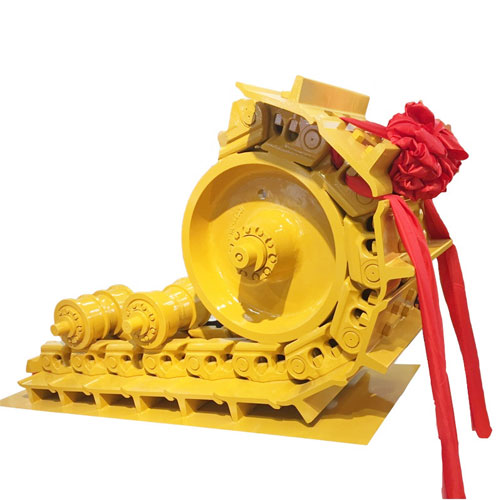
Causes of Wear on Bulldozer Track Rollers

The wear of bulldozer track rollers can be attributed to several key factors:

Contact with Track Link : The primary cause of wear on support rollers arises from the contact between the roller body and the track link, particularly due to friction on the track link surface. This wear manifests as a reduction in the diameters of the outer flange, roller surface, inner flanges on both sides, and overall width of the track roller.

Insufficient Lubrication: Inadequate lubrication can result in wear from relative motion between the pin and pin bushing, which subsequently shortens the service life of the bulldozer track roller.

Inadequate Track Tension: Insufficient tension in the track can cause lateral bending of the track links during steering maneuvers. This bending leads to the roller flanges pressing against the upper surface of the track links, resulting in significant wear.

Misalignment of Bulldozer Track Roller Center: If the center of the support roller is misaligned with the center of the track or if the rollers are not aligned in a straight line, this can lead to severe friction on one side of the roller during linear movement, accelerating the wear process.

Material and Manufacturing Quality Issues: The use of substandard materials or materials with inadequate hardness can lead to accelerated wear during operation. Additionally, non-compliance in the dimensions or surface roughness of components such as bushings and axle seats can result in abnormal wear patterns.

Inefficient Oil Sump Design: A poorly designed oil sump, such as one with rounded edges in a long oil sump, can lead to dry friction between the axle and the bushing, causing abnormal wear. Furthermore, ineffective lubrication oil film formation exacerbates the wear issues.

The Importance of Maintaining Bulldozer Undercarriage

The undercarriage of a bulldozer typically represents an average of 50% of the machine's parts and service costs. Therefore, it is crucial to select the appropriate undercarriage from the outset and to maintain it properly.

To choose the correct undercarriage, several key questions must be considered:

How long will I own this machine?

How many hours per week will I operate this machine?

What are the typical ground and soil conditions in my work area?

What impact conditions will I face?

What attachments will be used on the machine?

What are the typical grades and slopes at my job sites?

Maintenance is the best method to reduce ownership and operating costs, extend the lifespan of the undercarriage, and prevent failures. One of the primary actions to undertake is a daily inspection, checking the majority of components to ensure everything is functioning properly and exhibiting no abnormal wear.

The first items to check are the outer edges of the tracks to ensure that no bolts are missing or loose. Next, inspect the track link assembly and bushings to ensure there are no abnormal scalloping or pits on the bushings, as these may indicate wear from forward or reverse movement, or stepping.

Following this, examine the sprocket segment. Within the sprocket pocket, check for any mushrooming of the iron, which could indicate high-speed forward or reverse movement. Then, inspect the idlers for any ridging or abnormal adjustments, ensuring that everything appears to be in good condition. Afterward, verify that all track rollers are secure and that there are no obstructions preventing their operation.

Lastly, assess the carrier rollers to ensure that debris does not accumulate on top of the undercarriage, which may impede their rotation. If the carrier rollers cannot rotate, the tracks will roll over them, wearing down flat spots on the tops of the rollers, which accelerates wear and reduces the undercarriage's lifespan.

Another critical aspect to pay attention to is track tension. One should aim to observe two dips between the drive sprocket and the idlers. A string can be drawn from the top to the bottom, ensuring that there is about one inch of space between the grouser bar and the string to indicate proper tightening. Additionally, check the chrome plating for maximum stretch; exceeding the maximum stretch will result in wear on all iron components.

For operators, it is essential to avoid operating the machine at high speeds in either forward or reverse. Such practices lead to premature wear on bushings and sprockets. If the tracks are too taut, wear will accelerate. It is critical to maintain a slight amount of slack in the tracks to allow for movement between the iron components, thereby preventing excessive wear.

One of the most important factors in prolonging the lifespan of a bulldozer's undercarriage is maintaining its cleanliness. Removing all debris from within the links and from the frame allows the components to move freely and promotes longer component life.

Why do we value the carburizing process for bulldozer track chains?

The specific impacts of carburizing treatment on the performance of bulldozer track chains are reflected in the following aspects:

Improved Hardness and Wear Resistance: Carburizing treatment significantly increases the hardness and wear resistance of the chain by increasing the carbon concentration on the surface. For example, in chains used for slagging machines, the enhanced surface hardness allows them to withstand significant tension and pressure, extending their service life.

Enhanced Fatigue Strength and Crack Resistance: Carburizing treatment forms fine, evenly distributed carbides, avoiding network-like or large clumping of carbides, thus improving fatigue strength and preventing issues such as cracking and flaking. Additionally, rare-earth carburizing processes can create a more gradual gradient in carbon concentration, further enhancing fatigue resistance and wear performance.

Improved Adhesion and Coating Performance: For components like the transmission shafts of bulldozers, using ion plating and magnetron sputtering composite techniques during carburizing treatment allows for the deposition of NbTaZrC gradient coatings, increasing the adhesion between the coating and the substrate, improving wear resistance, and extending service life.

Reduced Wear and Increased Longevity: Although carburizing treatment can significantly enhance the hardness and wear resistance of the chain, regular lubrication and maintenance are still necessary in actual use to reduce wear and friction.

Through the increase in hardness, improvement in fatigue strength, enhancement of adhesion, and reduction of wear, carburizing treatment significantly enhances the overall performance and service life of bulldozer track chains.

How to Customize Car Body Parts?

Customizing car body parts involves the following steps:

 carbon fiber body parts

Consultation and planning: The initial step involves analyzing the customer's ideas and needs to create a comprehensive work plan .


3D data scanning:Our professional engineers scan 3D data according to physical sample or collect data according to 3D step format drawing.


Product design: A master model is created based on the design confirmation, which will be used to make molds for carbon fiber parts production .


Mental mold making: High-quality molds are made, which can be from materials like dry carbon fiber,wet carbon fiber or fiberglass, ensuring the final product's quality .


Manufacturing: Proceed up process step one by one,including high temperature hot pressing,product crinding,production paint to make each finish carbon fiber body part.


Quality control,packing and delivery: The final step includes quality control checks,use wooden box to pack and the delivery of the finished custom car body parts 


Modified Car Body Parts have advantages of enhanced performance,durability,fuel efficiency,etc.

 carbon fiber body parts


Welcome to visit Jagrow Performance,we can turn your idea into real product.

 carbon fiber body parts


Understanding the Different Types of EV Connectors(1)

As electric vehicles (EVs) continue to gain popularity, understanding the various types of EV connectors becomes increasingly important for both consumers and businesses. These connectors are essential for establishing a safe and efficient charging infrastructure. With multiple connector standards used globally, it's crucial for EV connectors manufacturers and EV connectors suppliers to stay informed about the different types and their compatibility with various vehicles and charging stations.


There are several types of EV connectors, each designed for specific charging applications. The most common connectors include Type 1, Type 2, CHAdeMO, and CCS (Combined Charging System). Each of these connectors serves different regions and vehicle types, and knowing which one fits your needs is vital for businesses providing charging solutions or working in the EV sector.


Type 1 Connectors are predominantly used in North America and some parts of Japan. This connector features a 5-pin interface and is designed for single-phase charging. It is typically found on older or lower-power EV models. While it is less common in newer EVs, many EV connectors suppliers still offer Type 1 solutions for existing fleets or older vehicle models.


Type 2 Connectors are the standard in Europe and increasingly used around the world. These connectors support both single-phase and three-phase charging, allowing for faster charging times. Type 2 connectors are now the most widely adopted connectors for new EVs, especially in public charging stations throughout Europe. For EV connectors manufacturers, providing Type 2 connectors is essential to meet the demand for fast, efficient charging solutions.


For fast DC charging, CHAdeMO and CCS connectors are the preferred options. CHAdeMO is widely used in Japan and is known for its fast, high-voltage charging capabilities. It is especially popular with brands like Nissan and Mitsubishi. However, CCS (Combined Charging System) has emerged as the global standard for DC fast charging. The CCS connector integrates both AC and DC charging in a single system, allowing for quicker and more versatile charging. As the EV market grows, many businesses, including EV connectors suppliers, are increasingly adopting CCS connectors to meet the global demand for fast charging infrastructure.


For companies involved in the EV charging industry, choosing the right EV connectors is crucial for compatibility and customer satisfaction. Whether you're providing charging stations or offering OEM and ODM services for EV connectors, ensuring you have the proper products available is key to maintaining competitive advantage. As the demand for electric vehicles rises, businesses that supply and manufacture these connectors will play a vital role in shaping the future of the EV charging ecosystem.


Understanding the different types of EV connectors is essential for both consumers and businesses. From Type 1 and Type 2 connectors to CHAdeMO and CCS for fast charging, each connector type is designed to meet specific regional and technological requirements. For EV connectors manufacturers and suppliers, offering a range of compatible charging solutions ensures that customers can charge their vehicles quickly, safely, and efficiently, no matter where they are in the world. As the EV industry evolves, these connectors will continue to be a critical part of the global transition to sustainable transportation.

Is the Type 2 to Type 1 EV Charging Cable the Best Choice for Fast and Safe Charging?

As electric vehicles (EVs) become more popular worldwide, one of the biggest challenges EV owners face is how to charge their vehicles quickly and safely. Whether charging at home or at public charging stations, selecting the right EV charging cable is crucial for ensuring charging efficiency and safety. Among the various options available, the Joycharge Type 2 to Type 1 EV Charging Cable stands out as an ideal choice for EV owners due to its high efficiency, durability, and safety features.


The Joycharge Type 2 to Type 1 EV Charging Cable is designed specifically for electric vehicles. It enables seamless charging from a Type 2 charging station to a Type 1 EV connector. The cable is internationally certified with TÜV, CE, UKCA, and CB certifications, ensuring it meets stringent safety and quality standards. Whether for home use or at public charging stations, this cable provides a reliable, fast, and secure charging experience for EV owners.


Key Advantages of the Joycharge Type 2 to Type 1 EV Charging Cable

1. Fast and Efficient Charging

This charging cable supports high power transmission, ensuring that your EV charges quickly and efficiently. With the ability to deliver up to 22kW of power, it meets the needs of most Type 2 charging stations, enabling fast charging for a wide range of EVs. Whether you're on a long road trip or just need to top up before your commute, the Joycharge Type 2 to Type 1 charging cable ensures you can get back on the road quickly.


2. Durability and Longevity

The Joycharge EV charging cable is built to last. Constructed with high-quality materials, it is designed to withstand wear and tear, extreme temperatures, and outdoor conditions. Its protective outer layer is resistant to abrasion, high temperatures, and UV radiation, ensuring the cable remains functional and safe even in harsh environments. Whether you're charging in the summer heat or the winter chill, this cable is up for the job.


3. Broad Compatibility

This cable is compatible with a wide range of electric vehicles, particularly those using Type 1 connectors, and it works with most Type 2 charging stations. Whether you're driving an older European EV or another model, the Joycharge Type 2 to Type 1 EV Charging Cable guarantees a fast and secure connection, providing peace of mind for EV owners everywhere.


4. Certified Safety

With TÜV, CE, UKCA, and CB certifications, this charging cable complies with international safety standards, ensuring that your EV charging process is completely safe. The certifications guarantee that the cable is manufactured to the highest standards, giving you confidence in its reliability.

Joycharge Type 2 to Type 1 EV Charging Cable

The Joycharge Type 2 to Type 1 EV Charging Cable is an excellent choice for electric vehicle owners looking for an efficient, durable, and safe charging solution. Its fast charging capabilities, high-quality construction, and international certifications make it a standout product in the market. If you’re looking for a reliable and versatile EV charging cable, the Joycharge Type 2 to Type 1 cable is the perfect solution to meet your needs.