Should car wheel scratches be repaired?

When driving, car wheels, especially high-performance forged wheels, inevitably encounter diverse road conditions, leading to occasional scratches. Faced with these marks on their car wheels, many owners find themselves torn between ignoring them and rushing to get them repaired.

Foremost, scratches on car wheels not only detract from their aesthetics but could potentially compromise driving safety. While minor scratches may merely mar the surface, deeper ones could damage the internal structure of therim, weakening its strength and heightening driving risks. Therefore, for pronounced scars or deformations, a prompt visit to a professional repair shop for inspection and restoration is highly recommended.

However, for superficial scratches, if the owner is not particularly meticulous about appearance and confirms that therim's strength remains unaffected, opting for temporary non-repair is an option. Nonetheless, it's crucial to acknowledge that these scratches could deteriorate over time, potentially leading to rust.

In summary, the decision to repair car wheel scratches hinges on the scar severity and the owner's personal preferences, with special consideration given to forged wheels due to their performance attributes. To ensure driving safety, owners should make a preliminary assessment upon discovering wheel scratches and seek professional maintenance assistance when necessary. After all, the integrity of the wheelrim, particularly in high-performance forged wheels, is directly tied to driving stability and safety.

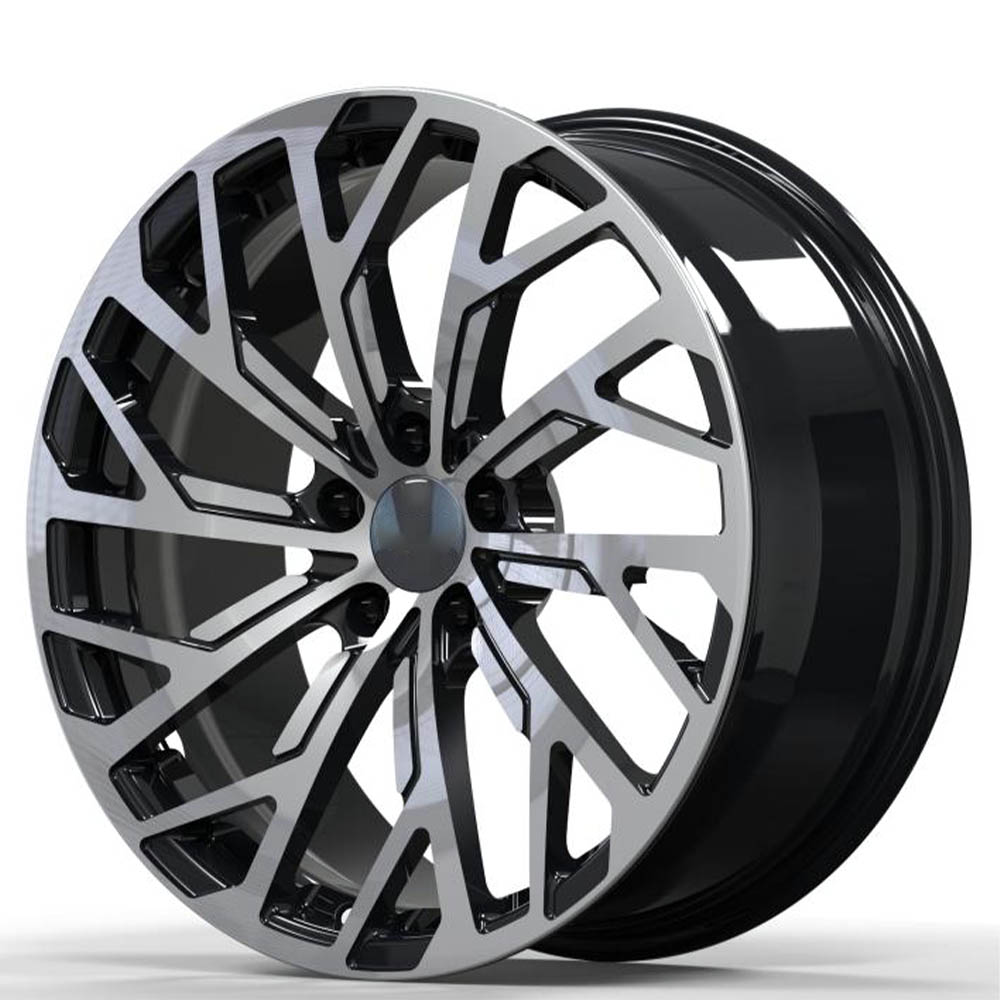
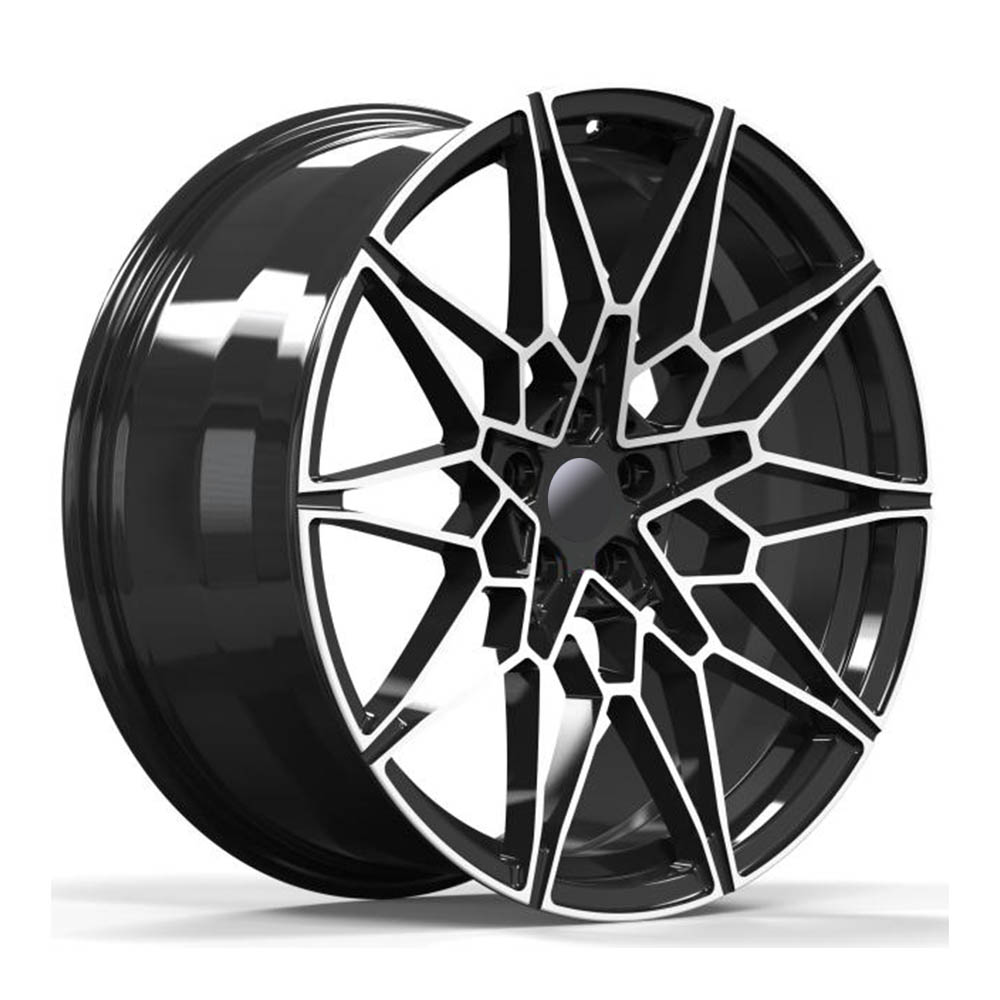
22 inch 5 lug rims

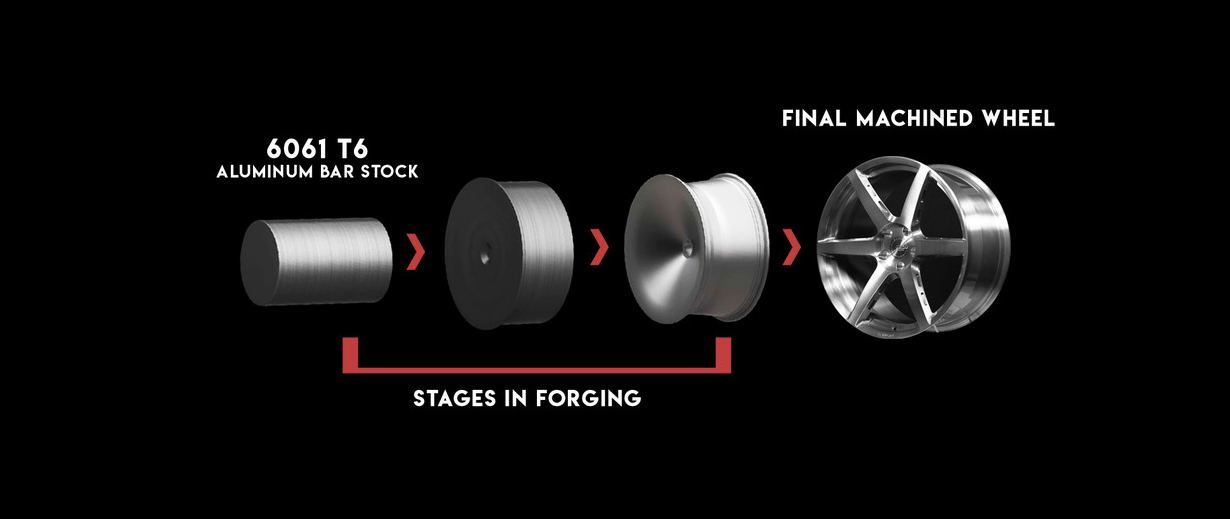
Why do more and more car owners choose T6061-T6 aluminum alloy forged wheels?

Mainly because of the below advantages of the aluminum alloy forged wheels:

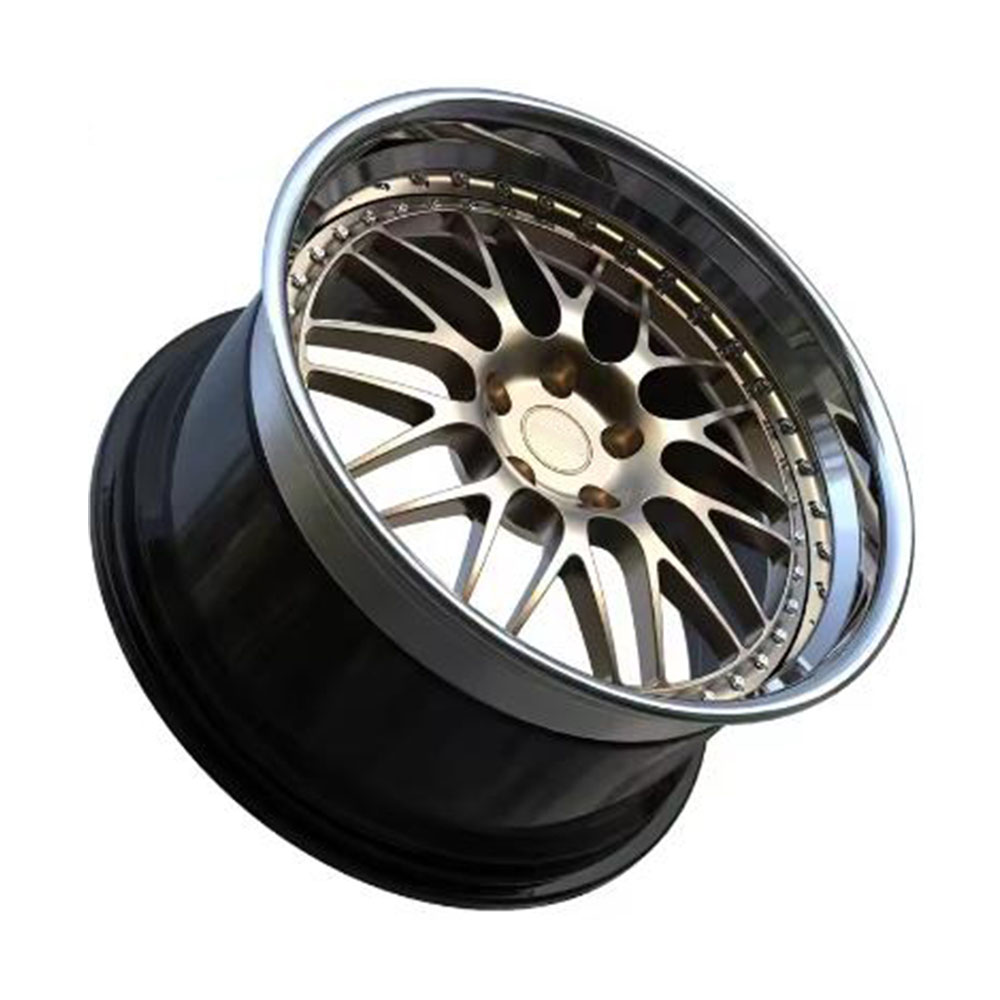
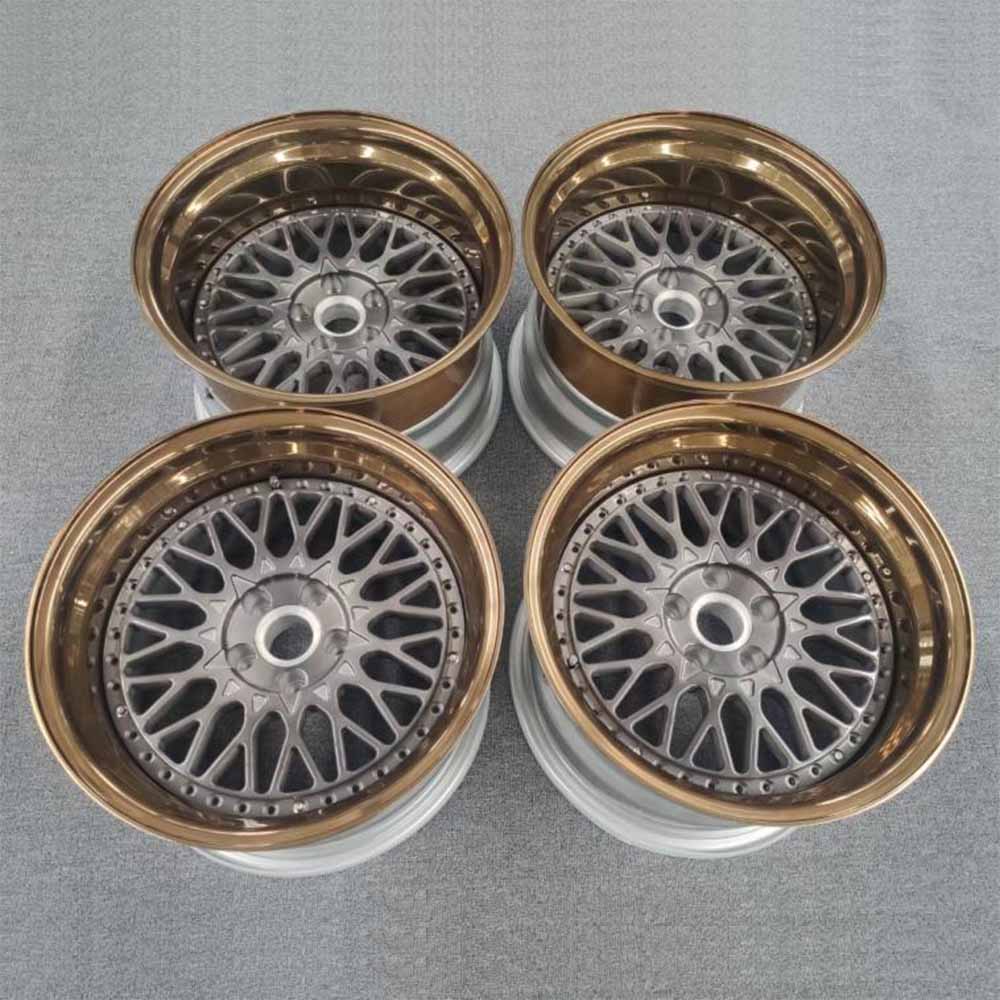
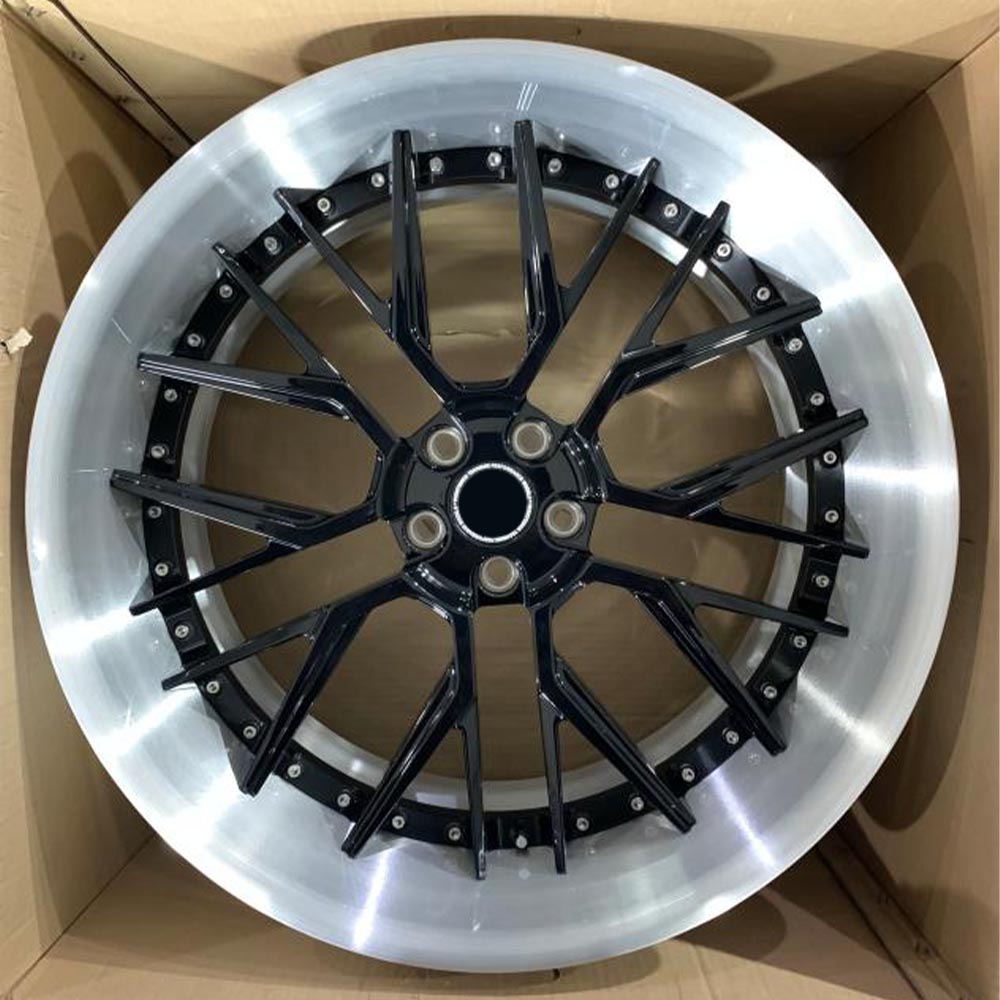
Two piece deep dish forged wheel

1) Unique design.

Forged wheels are produced both according to existing templates and individual designs from the customers. You can add originality to the discs with the help of color painting (the constantly updated color range offers great opportunities in this regard), laser or mechanical engraving

2) High safety margin.

3) Low weight.

The low weight provides a smooth ride, lower fuel consumption and fast speed gain. Forged wheels have proven themselves in off-road and adverse weather conditions,

Forging weighs almost half as much as stamped steel wheels, and a third less than cast wheels. This leads to reduced load on the chassis.

4) Resistance to corrosion and the effects of road reagents.

5) Plasticity. The fiber structure improves the flexibility of the metal, so in a strong blow the rim is more likely to bend than crack.

6) Easy to install: If you want something original and reliable, forged products have the advantage. Only it is better to put them on cars with reinforced suspension.

7) Inexpensive to repair. Small deformations that may occur during use or in a traffic accident are eliminated by rolling on the machine, which are available at most service stations.

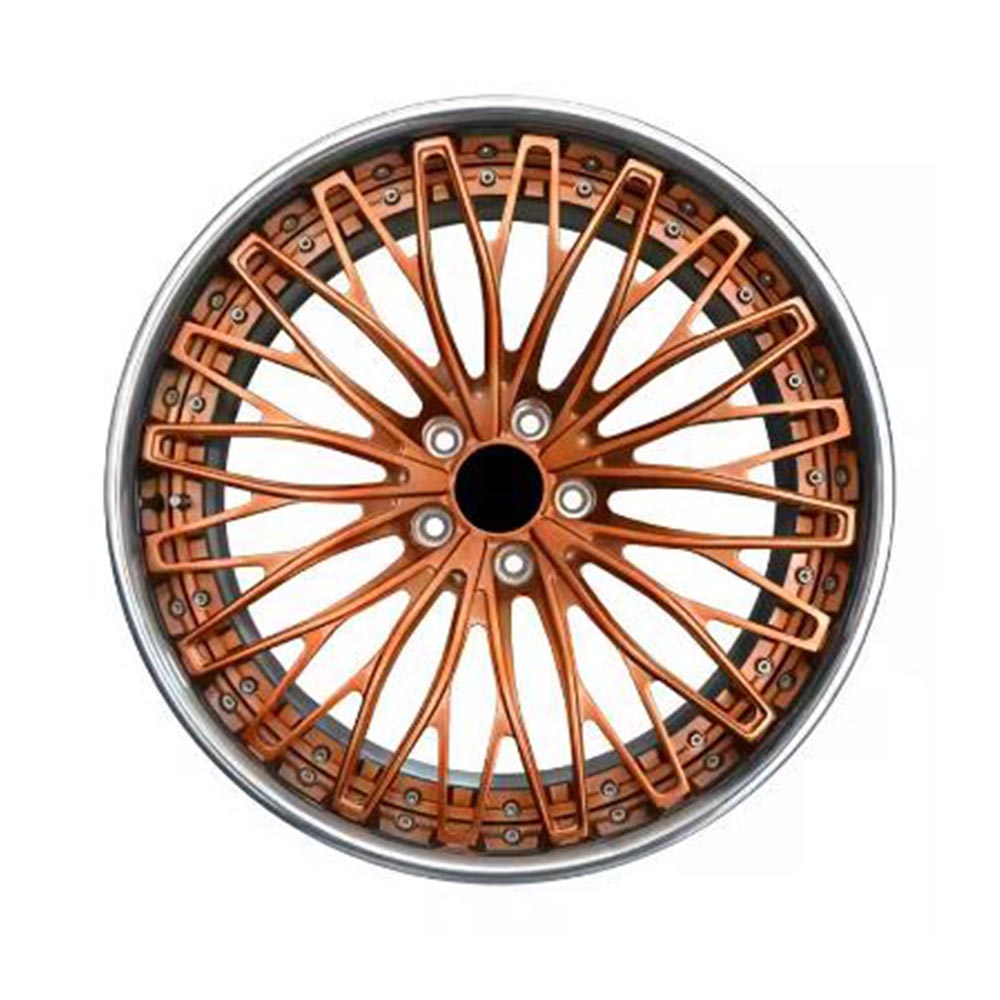
Concave design full painting wheel

Kinder reminder:

When choosing unique forged wheels, it is imperative to take into account the seating diameter, rim width, size and configuration of mounting holes, rim outreach (affects the width of the track), maximum load.

FYI, custom forged wheels can be made in different size from 15” to 32”, even bigger.

Wish the above information is helpful to the lovers of forged wheels.

DIY Guide How to Replace a Clutch Slave Cylinder (Step-by-Step)

DIY Guide: How to Replace a Clutch Slave Cylinder (Step-by-Step)

If your clutch pedal feels soft or your car struggles to shift gears, a faulty clutch slave cylinder might be the cause. Instead of paying high repair fees, you can replace it yourself with this easy DIY guide.
Factory clutch slave cylinder
Tools & Materials Needed
1. New clutch slave cylinder (wholesale clutch slave cylinder options are available for budget-conscious buyers)
2. Wrench set
3. Brake fluid
4. Jack & jack stands
5. Bleeding kit

Step 1: Locate and Remove the Old Clutch Slave Cylinder
Lift the car securely using jack stands.
Find the clutch slave cylinder near the transmission.
Disconnect the hydraulic line carefully to prevent fluid spills.
Unscrew the bolts holding the slave cylinder in place and remove it.

Step 2: Install the New Clutch Slave Cylinder
Position the new slave cylinder and bolt it securely.
Reconnect the hydraulic line tightly to avoid leaks.
Bleed the clutch system to remove air and ensure smooth pedal operation.
If you want a manufacturer clutch slave cylinder, choosing a high-quality component ensures durability and better clutch performance.

Step 3: Test and Final Adjustments
Refill brake fluid to the correct level.
Pump the clutch pedal to build pressure.
Check for leaks before taking a test drive.
For those looking for a factory price clutch slave cylinder, sourcing directly from reliable manufacturers is the best way to save costs while ensuring quality. Many professionals recommend KOMP brand, a trusted Chinese factory known for its precision-engineered clutch slave cylinders, offering excellent performance and longevity. It is an ideal choice for wholesale clutch slave cylinders

Have you replaced a clutch slave cylinder before? Share your experience below!

Classification of the Clutch Slave Cylinder

The clutch slave cylinder is a crucial component of a vehicle's manual transmission system. It plays a vital role in engaging and disengaging the clutch to facilitate smooth gear shifting. This blog aims to provide insights into the classification of the clutch slave cylinder, shedding light on the different types available and their respective working principles.

1.    Hydraulic Clutch Slave Cylinder:
The hydraulic clutch slave cylinder is the most common type and utilizes hydraulic pressure to operate the clutch system. It consists of a piston, a cylinder, and a hydraulic line connected to the master cylinder. When the clutch pedal is depressed, hydraulic fluid is forced into the slave cylinder, pushing the piston, and actuating the clutch release arm to disengage the clutch. The hydraulic slave cylinder offers precise and smooth clutch engagement.

2.    Mechanical Clutch Slave Cylinder:
Less commonly used, the mechanical clutch slave cylinder operates using mechanical force instead of hydraulic pressure. This type typically employs a lever system that translates the movement of the clutch pedal to engage or disengage the clutch. Mechanical slave cylinders are simple in design but may require more effort to operate compared to hydraulic ones. They are often found in older vehicles or specific applications.

3.    Concentric Clutch Slave Cylinder:
The concentric clutch slave cylinder, also known as an internal slave cylinder, is a design variation that integrates the slave cylinder into the clutch assembly. Instead of being external, the concentric slave cylinder is installed inside the bell housing, directly around the transmission input shaft. This design provides a more compact and streamlined system, reducing hydraulic fluid volume and potential leaks. Concentric slave cylinders are commonly used in modern vehicles.

4.    Non-Concentric Clutch Slave Cylinder:
Unlike the concentric design, the non-concentric clutch slave cylinder is a separate component mounted externally on the transmission bell housing. It operates in a similar manner to the hydraulic slave cylinder by using hydraulic pressure to actuate the clutch release mechanism. Non-concentric slave cylinders are often found in older vehicles or in certain performance applications where specific design requirements are met. 

Understanding the different types of clutch slave cylinders and their respective classifications is crucial for vehicle owners, mechanics, and automotive enthusiasts. By recognizing the various working principles and designs, one can make informed decisions regarding maintenance, repairs, and upgrades. Whether it's the hydraulic, mechanical, concentric, or non-concentric slave cylinder, each type serves a specific purpose in ensuring smooth clutch operation.

Common faults and maintenance techniques of brake cylinder

The brake cylinder, like the brake master cylinder, is an important component of the vehicle braking system, and the braking system is the component that controls the vehicle.


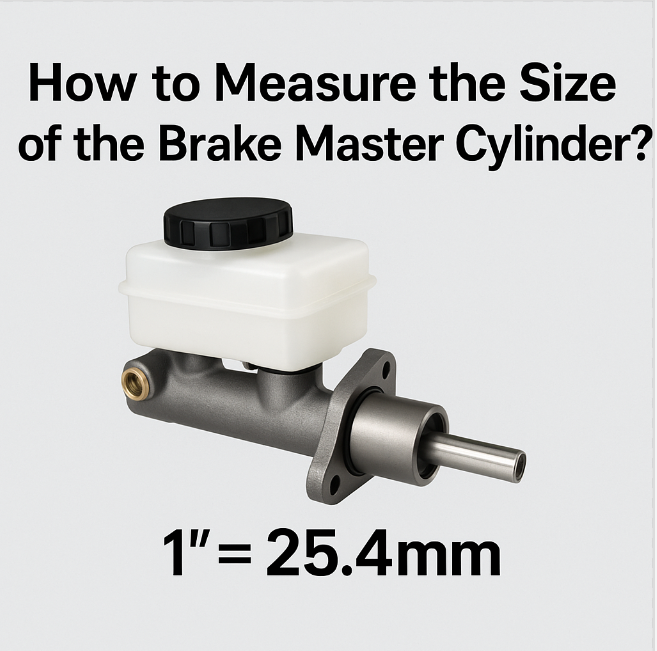
brake master cylinderbrake master cylinder


Due to wear and tear or improper usage habits, there may be some problems with the brake cylinder during use. One common problem is leakage, which can be caused by damage to the internal seals of the brake cylinder or corrosion due to long-term use. Leakage of the brake cylinder can lead to the loss of brake fluid, resulting in a decrease in braking performance or complete failure. The second problem is that the piston is stuck due to internal corrosion or debris, causing the brake pedal to not fully engage, resulting in uneven braking or a soft feel on the brake pedal.


brake master cylinderbrake master cylinder


Regular maintenance is the key to maintaining the good condition of the brake cylinder. As a car owner, with some professional knowledge, you can regularly check the wheel cylinder for signs of leakage, such as wet spots or dripping brake oil; Regularly flush brake oil according to the manufacturer's recommendations to prevent corrosion and maintain hydraulic pressure; Check if the brake pads are worn and replace them if necessary to prevent damage to the brake cylinder; Regularly clean the brake components, remove debris, prevent corrosion, and avoid affecting the performance of the brake cylinder. In addition, if you find any problems with the brakes, such as noise or decreased braking performance, please contact a professional to inspect the vehicle's braking system, including the brake cylinder.


The brake cylinder is a crucial component in vehicles, so remember to pay attention to the vehicle's driving status to ensure your road safety.

Common Faults in Clutch Systems

When your car encounters difficulties in shifting and starting, the acceleration of the car becomes weak, the car stops driving directly, and there is abnormal noise and odor when pressing the clutch, it may be a problem with your car's clutch system.


The hydraulic clutch control system consists of clutch pedal, clutch master cylinder, clutch slave cylinder, oil pipe, release bearing, release fork, and reservoir.


During the use of the vehicle, the long-term closure and release of the clutch can cause wear on the rubber cups and cylinder walls on the piston of the clutch master cylinder and the slave cylinder, which may lead to internal leakage of the master cylinder, resulting in a decrease in oil pressure, oil leakage, and other problems. It may also cause problems such as incomplete clutch separation and difficulty in shifting.

Common clutch system faults include clutch slipping, clutch shaking, abnormal clutch noise, difficulty shifting, weak driving, starting shaking, incomplete separation, unstable oil pressure, and increased fuel consumption.


It is necessary to regularly check the condition of the vehicle, and if any faults are found, relevant parts should be replaced in a timely manner to ensure the normal use of your car.

Discuss Clutch Classification through Clutch Pedals

The clutch is an important component of the automotive transmission system, which plays a role in connecting and disconnecting the engine and transmission system.

According to the position and operation mode of the clutch pedal, clutches can be divided into two main types: manual clutches and automatic clutches.

brake master cylinderbrake master cylinder

Manual clutch is a traditional clutch system mainly used for vehicles with manual transmission. In a manual clutch, the clutch pedal is located in the floor area in front of the driver's seat, usually on the left side. The driver disconnects the connection between the engine and transmission by stepping on the clutch pedal, achieving gear shifting and parking.

clutch master cylinderclutch master cylinder

Automatic clutch is suitable for vehicles with automatic transmission. In automatic clutch systems, clutch pedals are usually absent or replaced. The automatic clutch operates automatically through an electronic control unit and hydraulic system, eliminating the need for the driver to manually operate the clutch.

Regardless of whether there is a clutch pedal, vehicles have a clutch system to connect and disconnect the engine and transmission. The manual clutch is operated by manually controlling the clutch system, including the clutch master cylinder, clutch slave cylinder, release bearing, etc., while the automatic clutch is calculated accurately by the vehicle's intelligent system. Regardless of whether manual control is required, the clutch system is an indispensable part of vehicle operation.

How to Find a Reliable Clutch Master Cylinder Supplier?

How to Find a Reliable Clutch Master Cylinder Supplier?

With numerous suppliers available globally, especially from regions like China, the search can feel overwhelming. But, by following a strategic approach and knowing where to look, you can find a trustworthy clutch master cylinder manufacturer who can meet your needs.

1. Understand Your Requirements
Before diving into the search for a clutch master cylinder supplier, it’s crucial to define your needs. Are you looking for a specific vehicle application, or do you need a range of clutch master cylinders for various models?
clutch master cylinder wholesale
2. Research the Supplier’s Reputation
A reliable supplier is one who has a solid reputation in the industry, particularly for providing high-quality parts that meet the demands of automotive professionals. Start by reviewing online reviews, testimonials, and ratings of potential clutch master cylinder manufacturers.

3. Evaluate the Supplier’s Manufacturing Capabilities
A reputable clutch master cylinder factory will likely have:
Advanced Production Facilities,Quality Control Systems and Customization Options.

4. Look for a Supplier with Strong Logistics and Customer Support
Check if they offer:

Timely Delivery and Warranty and After-Sales Service.


Consider KOMP – A Trusted Supplier from China

KOMP's products are suitable for a variety of models, such as Japanese cars: Suzuki, Mitsubishi, Toyota, Nissan, etc, American cars: Chevrolet, Ford, Jeep;  Korean cars: Hyundai, Daewoo... Can meet your specific vehicle use needs. If you need customized products, KOMP can also free design drawings for you, customize the mold, and produce the items for you.
custom clutch master cylinder
KOMP has so many of cooperating logistics agents that support sea, air and land transportation, allowing you to receive the goods quickly. KOMP's products are exported to many countries such as the United States, Venezuela, Thailand, Japan, etc., and received a lot of praise from customers.

As a clutch master cylinder manufacturer with 24 years of production experience, KOMP has 16,000 square meters, having 10 specialized workshops, including Honing workshops, CNC workshops, Assembly workshops, Testing workshops, etc, strictly controlling details, reliable quality . The products have passed IATF16949, ISO9001 and CE certifications, and provide 1 year and 30,000km warranty.

clutch master cylinder manufacturing

How to Maintain and Fix a Brake Wheel Cylinder?

How to Maintain and Fix a Brake Wheel Cylinder?

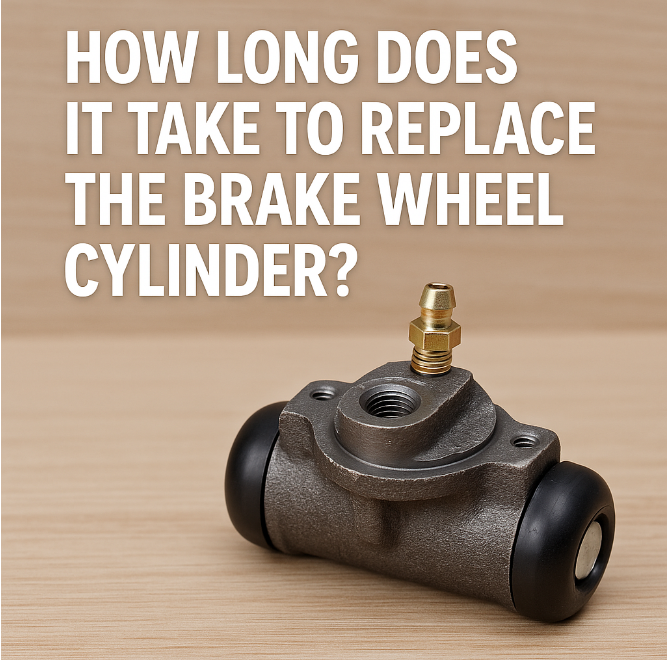
A brake wheel cylinder is a crucial component of a vehicle's braking system. Proper maintenance can prevent brake cylinder failure and extend the lifespan of your brakes. Necessary maintenance tips and timely repair or replacement of brake wheel cylinders will make your driving safer.

Basic Maintenance Tips:
1.Regular inspection and maintenance can prevent major issues with your brake wheel cylinder. Here are some essential tips:

2.Check for Leaks: Inspect the brake wheel cylinder for any signs of fluid leakage. If you notice brake fluid on the cylinder or near the wheels, it may indicate a failing seal.

3.Monitor Brake Performance: If your brake pedal feels spongy or less responsive, it may be due to air or moisture in the brake system.

4.Keep It Clean: Dirt and debris can damage the seals inside the brake wheel cylinder. Cleaning the system during brake service helps maintain optimal performance.

5.Use Quality Brake Fluid: Always use manufacturer-recommended brake fluid and replace it regularly to avoid internal corrosion.
Cheap brake wheel cylinder
When to Repair vs. Replace:
Understanding whether to repair or replace a new brake wheel cylinder is key to maintaining safe braking performance.

Repair: If the cylinder has minor leaks or corrosion, a rebuild kit can be used to replace seals and restore functionality.

Replace: If the cylinder is heavily corroded, cracked, or has worn-out pistons, it is best to opt for a brake cylinder replacement to ensure safety.

Recommended Tools and Products:
1.Brake Fluid Bleeder Kit: Helps remove air from the brake lines after cylinder replacement.

2.Brake Cylinder Hone: Used to smooth the inside of the cylinder before reassembly.

Quality Replacement Products: The KOMP brake wheel cylinder is a reliable choice for those looking for a durable replacement.

If you are searching for a China brake wheel cylinder from a trusted supplier brake wheel cylinder, consider a China supplier brake wheel cylinder or a factory brake wheel cylinder to ensure high-quality and affordable parts. Coincidentally, KOMP brake wheel cylinder just has these advantages. It is a well-known Chinese auto parts brand with good quality and favorable price. The product has a particularly high cost performance.

Regular maintenance and timely replacement of your high quality brake wheel cylinder can prevent brake failures and enhance driving safety. Always choose high-quality parts to keep your vehicle's braking system in top condition.

Potential Brake and Clutch System Issues and Precautions for Summertime Vehicle Operation

The scorching summer weather can not only make uncomfortable but also pose certain risks to the brake and clutch systems of our vehicles. The high temperatures can affect the functioning of various components, increasing the chances of failure.

The main components of the vehicle's brake system are the master cylinder and brake calipers, while clutch system consists of the brake master cylinder and slave cylinder.

In the summer, especially in outdoor environments with high daytime temperatures, the temperature under the engine hood can significantly rise. This excessive heat can cause the brake fluid to reach its boiling point. Boiling brake fluid can result in a soft brake pedal, reduced braking efficiency, or even complete brake failure. To avoid this issue, it is necessary to regularly check the brake fluid level and replace it as recommended by the vehicle manufacturer.

Brake Master CylinderBrake Master Cylinder

Brake failure is also a common problem during the summer, especially when driving downhill or carrying heavy loads. Prolonged braking generates excessive heat, leading to overheating of the brake pads and discs, which in turn reduces braking performance. To prevent brake failure, it is advisable to downshift and use engine braking whenever possible, allowing the brakes to cool during prolonged braking intervals.

In extremely hot temperatures, the clutch may experience slipping, causing difficulties in shifting, a burning smell, and loss of power transmission. To prevent clutch slipping, avoid resting your foot on the clutch pedal while driving, as this can cause unnecessary wear and overheating. Additionally, ensure that the clutch fluid level is correct and replace it as needed.

brake master cylinderbrake master cylinder

Whenever possible, park your vehicle in an indoor parking lot or an outdoor area with shade to minimize direct sunlight exposure. If parking indoors is not feasible for objective reasons, consider using a sunshade cover to reduce the vehicle's exposure to direct sunlight and minimize the risks associated with high temperatures for the brake and clutch systems. Remember, regular inspection and maintenance of your vehicle are still necessary. Wishing everyone safe and pleasant travels during the summer season.