How to Replace a Fiat 500 Clutch Slave Cylinder?

How to Replace a Fiat 500 Clutch Slave Cylinder?

If your Fiat 500’s clutch feels soft, spongy, or is losing pressure, it may be time to replace the Fiat 500 clutch slave cylinder. This crucial component is part of the hydraulic system that engages and disengages the clutch, and when it fails, gear changes become difficult or impossible. Here’s a step-by-step guide to replacing it safely and efficiently.
Clutch slave cylinder China
Tools & Materials Needed:
Jack and jack stands
Socket and wrench set
Line wrench
Brake/clutch fluid (DOT 4)
Replacement clutch hydraulic slave cylinder
Bleeder kit or vacuum bleeder
Safety gloves and goggles

Step-by-Step Replacement Process:
1. Prepare the Vehicle:
Park on level ground, disconnect the battery, and raise the vehicle securely using jack stands. Remove the front wheels for better access.

2. Locate the Slave Cylinder:
On many Fiat 500 models, the clutch hydraulic slave cylinder is inside the bell housing, integrated with the clutch release bearing. If so, removing the transmission is necessary.

3. Remove the Transmission:
This includes disconnecting the gear linkage, drive shafts, and any wiring or brackets. Unbolt the transmission and carefully lower it using a jack or assistance.

4. Replace the Slave Cylinder:
Disconnect the hydraulic line using a line wrench to avoid damaging fittings. Unbolt the old slave cylinder and install the new one, tightening bolts to manufacturer torque specs.

5. Reassemble the Vehicle:
Reconnect the hydraulic line, reinstall the transmission, and reattach all disconnected parts. Refill the clutch reservoir with DOT 4 fluid.

6. Bleed the Clutch System:
Use a bleeder kit to remove air from the system. Proper bleeding is crucial to restoring pressure.

7. Test the System:
Start the engine and press the clutch. It should feel firm and responsive. Take a short drive to confirm smooth shifting.

Final Tip:
Choose a trusted clutch slave cylinder supplier to ensure durability and performance. If you're not confident handling the transmission removal, it’s wise to seek professional help.

Replacing a Fiat 500 clutch slave cylinder takes time, but with care and the right tools, it’s a manageable task for experienced DIYers.

Maintain your air compressor with Coolworks

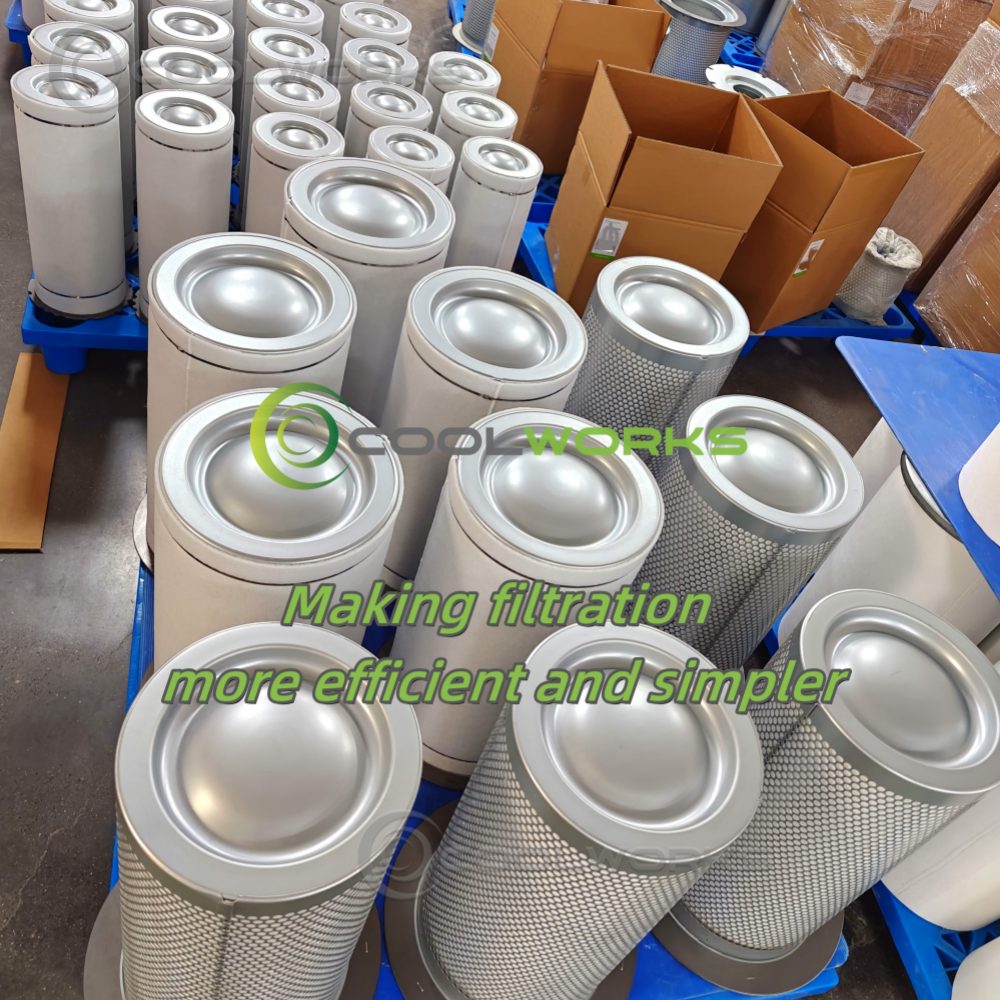
Coolworks filters perform exceptionally well in terms of durability and filtration efficiency.

It can significantly extend the service life of air compressor equipment and reduce maintenance costs.

.

⭐The Coolworks filter can not only effectively filter out impurities in the air,

Separate oil and gas

It can also better protect the equipment from damage.

.

⭐Whether it is industrial sites such as mining or metallurgy,

Choosing Coolworks filters is a wise choice.

⭐Let's maintain your air compressor equipment together.

High Pressure Water Sprayer Backpack

High Pressure Water Sprayer Backpack 3L/6L

Design:foshio Water Pump High Pressure Sprayer Design With Smart Battery Pack, Portable Remote System.  Ultra Flexible Hose with 200 Micron Filter and Adjustable Brass Nozzle.

Water Bladders Capacity: 3L /6L
Battery capacity: 3000mah
Hose: 1.2 metres, Durable Ultra Flexible Hose
Applications:  Car wrap film, gardening work, high-altitude operation,outdoor
LOGO:Customize

High Pressure Water Sprayer Backpack plays an important role in car wraps film.

It can be used to spray detergent and water to help clean the car surface and remove impurities such as dust, dirt and grease to ensure that the surface before applying the film is clean and smooth. High-pressure water sprayers can provide sufficient pressure and spray force to ensure that the cleaning agent can fully penetrate and clean the car surface.

In addition, the High Pressure Water Sprayer Backpack can also be used to spray the lubricant required when applying the film, helping the film material to slide and adjust its position more easily, thereby ensuring the smoothness and adhesion of the film. Spraying lubricant can reduce friction and bubble generation during the film application process, and improve the quality and efficiency of film application.

Therefore, the High Pressure Water Sprayer Backpack can clean the surface and spray lubricant during the car wrapping process, helping to ensure the smooth progress of the wrapping process and improving the wrapping effect.


High Pressure Water Sprayer Backpack has many uses in life,

including but not limited to the following aspects:

1. Gardening and Agriculture: Used to spray water, fertilizers, pesticides and herbicides to help plants grow and protect crops.


2. Cleaning and disinfection: used for cleaning vehicles, buildings, yards, roads and other surfaces, as well as for disinfection and sterilization.

3. Firefighting and emergency rescue: Can be used to extinguish fires or provide emergency rescue during outdoor activities, camping or emergency situations.

4. Car wash: Used for home or commercial car wash services, providing high-pressure water flow to clean car surfaces.

5. Construction and decoration: used for cleaning construction sites, spraying paint, cleaning walls and floors, etc.

6. Household Cleaning: Used for cleaning garden furniture, patios, driveways, railings and other outdoor areas.

7. Water sports: used for washing boats, kayaks, surfboards and other water sports equipment.

Overall, the High Pressure Water Sprayer Backpack is useful in many daily life and work scenarios, providing a convenient and efficient cleaning and spraying solution.


Dongfeng 14 CBM garbage compactor truck exported by CEEC TRUCKS

CEEC produced Dongfeng 14cbm garbage compactor truck based on Dongfeng 4×2 chassis, which use CUMMINS brand diesel engine, with engine power 170HP and 190HP for optional, manual 6-shift gearbox for easy operation, strong quality steel material compactor body with inside and outside antirust painting. All logos can be done as required.


Dongfeng 6 wheeler 14 CBM garbage compactor truck for sale


The Dongfeng garbage compactor truck design fully relies on the advantages of Dongfeng brand original chassis, fully considers the convenience and reliability of the compactor, and the technical characteristics of the chassis. The compactor body capacity is up to 14,000 liters and is equipped with PLC Control System and Hydraulic Joystick Control System, mainly used for garbage collection and transportation, and the working aerial can be city street, factory, community and other areas of need.


Dongfeng 14 CBM refuse compactor truck for sale


CEEC TRUCKS is a manufacturer and exporter of high-quality garbage compactor trucks in China. We have more than 10 years of experience in designing and manufacturing compression garbage trucks. We can provide garbage compactors based on the chassis of HOWO, ISUZU, FOTON, Dongfeng and other brands. The ceectrucks compactor body capacity can be 3-25 CBM. Our garbage compaction trucks are very popular in Southeast Asia, the Middle East, Africa and South America because of their high quality and low price.


Practical replacement filter element for air compressors

Discover the high-quality portable Air Compressor Parts Mann Filter Replacement 4930152101 4930153101 for efficient and reliable performance.

These filters are designed to provide superior filtration, ensuring clean and contaminant-free air for your air compressor.

Trust in the durability and effectiveness of Mann filters to keep your equipment running smoothly.

Upgrade your air compressor with these premium parts now. 

What Are the Differences Between AC and DC Car Chargers?

As the electric vehicle (EV) industry continues to grow, understanding the differences between alternating current (AC) and direct current (DC) car chargers is crucial for EV owners and enthusiasts. These two types of home electric car chargers play distinct roles in the EV charging ecosystem, each with its own characteristics, advantages, and applications.


One of the primary differences lies in the charging speed. AC chargers are generally slower compared to DC chargers. AC power from the grid must first be converted to DC power by the vehicle's on - board charger before it can be used to charge the battery. This conversion process, along with the limited power capacity of AC chargers, results in longer charging times. For example, a typical household - level AC charger might take several hours to fully charge an EV battery. On the other hand, DC chargers bypass the vehicle's on - board charger and directly supply DC power to the battery, enabling much faster charging. High - power DC fast chargers can charge an EV to 80% in as little as 30 minutes, making them ideal for long - distance travel and quick top - ups.


The physical infrastructure and installation requirements also vary between AC and DC chargers. AC chargers are more common and easier to install. They can be connected to a standard household electrical outlet or a dedicated EV charging station. Some AC chargers can even be plugged into a regular 120 - volt outlet, although this provides the slowest charging rate. In contrast, DC chargers require a more complex and powerful electrical setup. They need a high - voltage electrical supply and specialized equipment, such as transformers and rectifiers, to convert the grid power to DC. As a result, DC chargers are typically found at commercial charging stations, along major highways, and in public areas where high - speed charging is necessary.


Another significant difference is in cost. Level 2 AC charging are generally more affordable, both in terms of the charger unit itself and the installation. They are a popular choice for home charging due to their lower cost and ease of use. DC fast charger, on the other hand, are more expensive to purchase and install because of their advanced technology and high - power requirements. The cost of electricity for DC charging can also be higher, especially at commercial charging stations where operators may charge a premium for the convenience of fast charging.


In terms of battery impact, while both AC and DC chargers are designed to charge EV batteries safely, there are some considerations. Frequent use of DC fast chargers can potentially cause more stress on the battery over time due to the high - intensity charging process. However, modern battery management systems in EVs are designed to mitigate this risk. AC chargers, with their slower charging rate, are generally considered to be more gentle on the battery, which may contribute to a longer battery lifespan in the long run.


AC and DC car chargers serve different purposes in the EV charging landscape. AC chargers are suitable for everyday home charging and slower, more convenient charging scenarios, while DC chargers are essential for fast, on - the - go charging. Understanding these differences can help EV owners make informed decisions about their charging needs and optimize their driving experience.

Replacing a Clutch Master Cylinder What You Need to Know

Replacing a Clutch Master Cylinder: What You Need to Know

1. Preparatory Work
Tools and Materials Preparation
Prepare all necessary tools in advance, including wrenches, screwdrivers, a jack, a new clutch master cylinder, compatible clutch fluid/brake fluid, and a fluid catch container.

Secure the Vehicle
Engage the parking brake and use a jack to safely lift and stabilize the front of the vehicle. Remove the wheels if needed to create more working space.

Drain the Old Fluid
Open the clutch fluid reservoir and remove or drain the old fluid to prevent contamination of the new clutch master cylinder.
clutch master cylinder kit
2. Removal and Installation Procedures
Remove the Old Clutch Master Cylinder
Disconnect the fluid line fittings and collect any leaking fluid with a container to prevent spills.
Remove the pushrod pin and mounting bolts, taking care not to damage fluid lines or wiring harnesses.

Install the New Master Cylinder
Ensure that the new master cylinder matches the vehicle model and use genuine parts.
Reinstall the mounting bolts in the original position and tighten them to the appropriate torque. When connecting the fluid lines, check for proper sealing to avoid leaks.

3. Bleeding
Two-Person Bleeding Procedure
One person repeatedly presses the clutch pedal while the other loosens the bleeder valve on the slave cylinder. Continue until fluid flows out without air bubbles, then tighten the valve.

Fluid Top-Up and Check
After bleeding, top off the reservoir with fresh fluid to the recommended level. Do not let the reservoir run dry, as it may introduce air into the system again.

4. Testing and Adjustment
Pedal Travel Test
Start the engine and check if the clutch pedal returns smoothly and travels correctly. Ensure that the clutch disengages and engages smoothly and fully.

Leak Inspection
Inspect the fluid line connections, master cylinder body, and slave cylinder for any signs of leakage. Retighten fittings if necessary.

For Honda owners, the Honda Civic clutch master cylinder is a commonly replaced part. These models are known for their longevity, and replacing worn-out hydraulic components can help extend the vehicle’s lifespan even further. Similarly, if you drive a Nissan, a failing Nissan clutch master cylinder can lead to noticeable performance issues, including clutch slippage or total failure. It's a good idea to replace both the master and slave cylinders at the same time to ensure optimal performance and prevent future breakdowns.

As a high-quality clutch master cylinder supplier, KOMP mainly produces aftermarket clutch master cylinders. It is well-known in China for its good quality, favorable prices and 1-year or 30,000km warranty. And the United States, Venezuela, Malaysia, Thailand and other countries place large orders for KOMP products every year. If you happen to be looking for clutch master cylinder manufacturers, KOMP is the one of your best choices.

Fault Diagnosis and Maintenance Method of Forklift Steering System

Once the steering system of the forklift fails, it will directly affect the safety of the driving operation, so it should be eliminated immediately when the fault is found. How to diagnose and repair forklift steering system? Engineers at Xiamen Interquip Machinery share with you.
First, the steering is heavy.
1. Failure phenomenon: When the 3 tons forklift turns left or right, turning the steering wheel feels heavy and laborious.
2. Cause of failure:
1) The upper and lower bearings of the steering screw feel are adjusted too tightly or the bearings are damaged;
2) The clearance between the rack and the tooth sector is adjusted too tightly;
3) The adjustment of the ball head device of the horizontal and straight rods is too tight;
4) Bending deformation of tie rod and steering axle;
5) The steering gear is poorly lubricated, such as lack of oil in the steering gear, and each ball joint is not lubricated in time, which increases the frictional resistance.
3. Troubleshooting and troubleshooting.
1) Remove the rocker arm of the steering gear of the forklift truck, and the steering wheel feels heavy. Adjust the tightness of the rack, the toothed sector, and the screw bearing. If you feel uneven tightness or internal jamming, you should check the screw, steel, etc. Balls, conduit clamps, racks and bearings for burrs or damage, repair or replace if necessary.
2) When turning the steering wheel to check, if you feel relaxed, it means that the inside of the steering gear is good. You should check whether the transmission mechanism is too tight and the lubrication is poor. If necessary, you should adjust and lubricate.
3) If the above conditions are all good, you should check whether the steering axle is deformed and whether the tire pressure is sufficient.
Second, the steering is unstable.
1. Failure phenomenon: The steering wheel shakes and the steering wheel sways when the forklift is running. In severe cases, the direction control is difficult.
2. Cause of failure:
1) The ball joints of the horizontal and straight tie rods are loose (the internal spring of the interquipmachinery forklift is broken or the gap is too large);
2) The clearance between the rack and the tooth sector is too large or the rocker arm fixing screw is too loose;
3) The clearance between the upper and lower bearings of the screw is too large;
4) The steering wheel fixing nut is loose.
3. Troubleshooting and troubleshooting.
1) Turn the steering wheel of the forklift to observe whether the ball joints of the horizontal and straight tie rods are loose, and whether the fixing nut of the steering wheel is loose, and adjust or repair if necessary;
2) Remove the rocker arm of the steering gear, check whether the clearance between the rack and the tooth sector and the clearance between the upper and lower bearings of the screw is too large, and adjust it if necessary. 3. Driving deviates.
1. Fault phenomenon: During driving, the forklift truck is automatically biased to one side, and the steering wheel must be firmly held to keep driving in a straight direction.
2. Cause of failure:
1) Whether the left and right tire pressures of the steering wheel are consistent;
2) After driving for a distance, stop and touch the brake drum with your hand to see if it is hot. If it is hot, it means that the brake drum is biting, and if it is hot, it means that the wheel hub bearing is too tight.

About our high performance oil cooler fittings

Enhancing Performance with Oil Cooler Fittings


In the automotive and industrial sectors, oil cooler fittings play a critical role in maintaining optimal engine performance and longevity. These small yet vital components connect oil coolers to the engine, ensuring efficient heat dissipation and protecting against engine overheating.


 Oil Cooler FittingsOil Cooler Fittings


The Importance of Oil Cooler Fittings


Oil cooler fittings facilitate the flow of oil between the engine and the oil cooler. High - quality fittings are crucial for maintaining the integrity of the oil cooling system. Poor - quality or poorly installed fittings can lead to oil leaks, pressure drops, and even engine damage. Reliable and durable fittings are essential for ensuring consistent oil flow and effective heat transfer.

 Oil Cooler FittingsOil Cooler Fittings

Oil Cooler Fittings


Types of Oil Cooler Fittings


1, AN Fittings

AN fittings are widely used for their durability and reliability. They come in various sizes and are suitable for high - pressure applications. The AN fitting system features a flared design that provides a secure connection and minimizes the risk of leaks.

2, O - Ring Boss (ORB) Fittings

ORB fittings rely on an O - ring to create a seal. They are commonly used in automotive applications for their ease of installation and compatibility with different materials. ORB fittings are ideal for low - to medium - pressure systems.

3, Compression Fittings

Compression fittings are known for their ease of installation and ability to provide a leak - free connection. They utilize a ferrule that is compressed against the tubing, creating a tight seal. These fittings are suitable for various tube materials and are often used in hydraulic and pneumatic systems.

4, Layered Oil Cooler Fittings

A layered oil cooler fitting design enhances sealing performance. It features a sealing ring and a spring - loaded seal to ensure reliable sealing, even under high - pressure conditions. Its layered structure provides multiple layers of protection against leaks and contamination.


 Oil Cooler Fittings

Oil Cooler Fittings


Choosing the Right Oil Cooler Fittings


When selecting oil cooler fittings, consider the following factors:

Material Compatibility: Ensure the fittings are compatible with the materials of the oil cooler and engine components.

Pressure Requirements: Choose fittings that can handle the pressure levels of your specific application.

Ease of Installation: Select fittings that are easy to install and compatible with your existing system.

Durability: Opt for fittings made from high - quality materials to ensure long - term performance.


High - quality oil cooler fittings are essential for maintaining efficient oil cooling systems. Whether you choose AN fittings, ORB fittings, compression fittings, or layered oil cooler fittings, selecting the right type and ensuring proper installation are crucial for optimal engine performance and longevity.

 Oil Cooler Fittings

Oil Cooler Fittings

Oil Cooler Fittings


By investing in reliable oil cooler fittings, you can enhance the efficiency of your oil cooling system and protect your engine from the risks of overheating and wear.


We will send you our catalog for your reference, which includes any fitting type you are interested in. Pls feel free to contact me if you need some samples.

Key Aspects of Coolant Tank Customization

Key Aspects of Coolant Tank Customization

 Coolant tankCoolant tank

1. Material Selection

Aluminum: Common thickness options include 3mm etc.Thicker materials offer greater durability and strength.


Stainless Steel: More durable and resistant to high temperatures and corrosion. Suitable for industrial or heavy-duty applications.


Plastic: Cost-effective and lightweight. Suitable for less demanding applications or where weight is a critical factor.


2.  Size and Capacity:

Custom Dimensions: Custom dimensions of the coolant tank according to physical sample or 3D drawing


3. Shape and Design

Standard Shapes: Common shapes include cylindrical, rectangular, and square tanks.

Custom Shapes: For unique installations, custom shapes can be designed to fit specific spaces.


4. Connections and Fittings

Inlet and Outlet Ports: Customize the size and type of ports to match your cooling system’s hoses and pipes. Common types include threaded ports (NPT, BSP), barbed fittings, or quick-connect couplings.

Custom Fittings: Specialized fittings can be added for unique applications, such as multiple inlet/outlet ports or specialized connectors for advanced cooling systems.


5. Surface Treatment and Aesthetics

Finish Options: Choose from polished, anodized,etc