What is a excavator filter

What is a excavator filter?

An excavator filter is a crucial component within an excavator’s filtration system that is responsible for capturing and removing contaminants from the fluids and air used in the machine. Excavators, which are heavy construction equipment used for digging, excavation, and earthmoving tasks, rely on various filters to ensure smooth operation and protect vital components.

There are several types of filters commonly found in excavators:
1.Hydraulic Filters: These filters are designed to clean the hydraulic fluids used in the excavator’s hydraulic system. Hydraulic filters remove contaminants such as dirt, metal particles, and debris that could potentially damage hydraulic pumps, valves, and other components. Clean hydraulic fluid ensures efficient operation and extends the lifespan of hydraulic components.

2.Engine Air Filters: Engine air filters are responsible for removing airborne contaminants, such as dust, dirt, pollen, and debris, from the air before it enters the engine. Clean air is vital for proper combustion, as it prevents contaminants from reaching crucial engine parts, optimizing fuel efficiency, and reducing engine wear.

3.Fuel Filters: Fuel filters are essential for excavators that operate on diesel fuel. They remove impurities, such as water, sediment, and dirt particles, from the fuel before it reaches the engine. Clean fuel is necessary to prevent clogs in fuel injectors and maintain optimal engine performance.

4.Cabin Air Filters: Cabin air filters are used to clean the air circulated within the operator’s cabin. These filters ensure a cleaner and healthier environment for the operator by trapping dust, pollen, and other allergens present in the air.

The primary purpose of these filters is to maintain the cleanliness of the fluids and air circulating within an excavator. By preventing contaminants from reaching vital components, filters help extend the life of the machine and its components, minimize downtime, and improve overall efficiency and performance.

Regular inspection and timely replacement of excavator filters according to the manufacturer’s recommendations are crucial to ensuring proper filtration and optimal machine operation. Proper maintenance of excavator filters will contribute to longer equipment life, reduced maintenance costs, and increased productivity on construction sites.

What is the best oil seal material

What is the best oil seal material?


The choice of the best oil seal material depends on the specific application, operating conditions, and the type of fluid being sealed. There are several commonly used materials for oil seals, each with its own advantages and limitations. Here are some popular oil seal materials:

1.Nitrile (NBR): Nitrile rubber is a widely used material for oil seals. It offers good resistance to oil, fuel, and other petroleum-based fluids. Nitrile seals have excellent abrasion resistance and are cost-effective, making them suitable for many general-purpose sealing applications.

2.Fluoroelastomers (FKM/Viton): Fluoroelastomers are known for their excellent resistance to high temperatures, aggressive chemicals, and oils. They provide superior sealing performance in applications with demanding conditions such as automotive, aerospace, and industrial environments.

3.Silicone (VMQ): Silicone rubber offers good resistance to high and low temperatures. It can withstand a wide temperature range and has excellent flexibility and electrical insulation properties. Silicone seals are commonly used in automotive and electrical applications.

4.Polyacrylate (ACM): Polyacrylate rubber is known for its resistance to heat and oils. It performs well in applications involving engine oil and transmission fluids. ACM seals are commonly used in automotive engine components.

5.Polyurethane (PU): Polyurethane seals have excellent wear resistance and durability. They are commonly used in high-pressure hydraulic systems and heavy-duty applications.

It's important to consider factors such as fluid compatibility, temperature range, pressure, and environmental conditions when selecting the best material for an oil seal. It is recommended to consult with seal manufacturers or professionals to determine the most suitable material for a specific application.


What types of excavator filters are there

What types of excavator filters are there?

There are several types of filters commonly used in excavators to maintain optimal performance and protect critical components. Here are some of the key excavator filters:

1.Air Filter: The air filter removes dust, dirt, and other contaminants from the incoming air, ensuring clean air intake for the engine. It helps prevent engine wear and maintains efficient combustion.

2.Oil Filter: The oil filter removes impurities, metal particles, and contaminants from the engine oil, ensuring proper lubrication and protecting the engine’s internal components from damage. It helps extend the engine’s lifespan.

3.Fuel Filter: The fuel filter removes contaminants, water, and particles from the fuel system, ensuring clean fuel supply to the engine. It helps prevent fuel system clogging, injector issues, and engine performance problems.

4.Hydraulic Filter: Hydraulic filters are crucial for excavators’ hydraulic systems, removing particles and contaminants from the hydraulic fluid. They help maintain smooth operation, prevent component damage, and ensure optimal hydraulic system performance.

5.Cabin Air Filter: The cabin air filter ensures clean and filtered air inside the operator’s cabin, removing dust, pollen, and other airborne particles. It enhances the operator’s comfort and protects the HVAC system.

These are some of the main filters used in excavators. It’s important to regularly check and replace these filters as part of routine maintenance to ensure the excavator’s optimal performance and longevity. The specific filter types and their locations may vary depending on the make and model of the excavator.


Why are filters important for excavators

Why are filters important for excavators?

Filters play a crucial role in maintaining the performance, reliability, and longevity of excavators. Here are several reasons why filters are important for excavators:

1.Contaminant Removal: Excavators operate in challenging environments where they are exposed to various contaminants such as dirt, dust, debris, and water. Filters effectively remove these contaminants from fluids (such as hydraulic oil and fuel) and air, preventing them from entering vital components of the machine. This reduces the risk of component wear, clogging, and damage, ensuring smooth operation.

2.Equipment Protection: Filters help protect crucial components of the excavator, such as the engine, hydraulic system, and fuel system. By preventing contaminants from reaching these components, filters minimize the risk of damage, premature wear, and failure. This leads to longer equipment life and reduces the frequency and cost of repairs and replacements.

3.Optimal Performance: Clean fluids and air are essential for the efficient operation of an excavator. Filters remove impurities that can negatively impact performance. Clean hydraulic fluid improves the efficiency of hydraulic systems, enhancing digging power, speed, and responsiveness. Clean fuel allows the engine to function optimally, ensuring proper combustion and power output. Clean air intake promotes efficient engine combustion and prevents potential issues like reduced horsepower and increased fuel consumption.

4.Increased Efficiency: Proper filtration leads to better overall equipment performance, which translates into increased productivity and efficiency on construction sites. With clean fluids and air, excavators can operate smoothly and reliably, minimizing downtime caused by equipment failures, breakdowns, or reduced performance.
5.Operator Comfort: Filters not only protect the excavator but also contribute to the operator’s comfort and well-being. Cabin air filters remove airborne particles, dust, and allergens, ensuring a cleaner and healthier working environment for the operator. This improves operator satisfaction, reduces fatigue, and increases productivity.

6.Environmental Compliance: Clean filters help reduce harmful emissions from excavators, contributing to environmental compliance. Filtered fluids and air result in cleaner exhaust gases, reducing environmental impact and improving air quality on job sites.

To ensure the benefits mentioned above, regular maintenance and timely replacement of filters are essential. Following the manufacturer’s recommended maintenance schedules and using high-quality filters that meet the equipment’s specifications are crucial for optimal filtration and the long-term performance of excavators.


Basic Maintenance Checklist for ISUZU Refrigerated Transport Trucks

With the rise of summer temperatures, ISUZU refrigerated trucks have entered their peak operating period. Ensuring its efficient performance and cargo quality requires appropriate maintenance. The following are basic maintenance practices:

1. Pre cooled goods and carriages

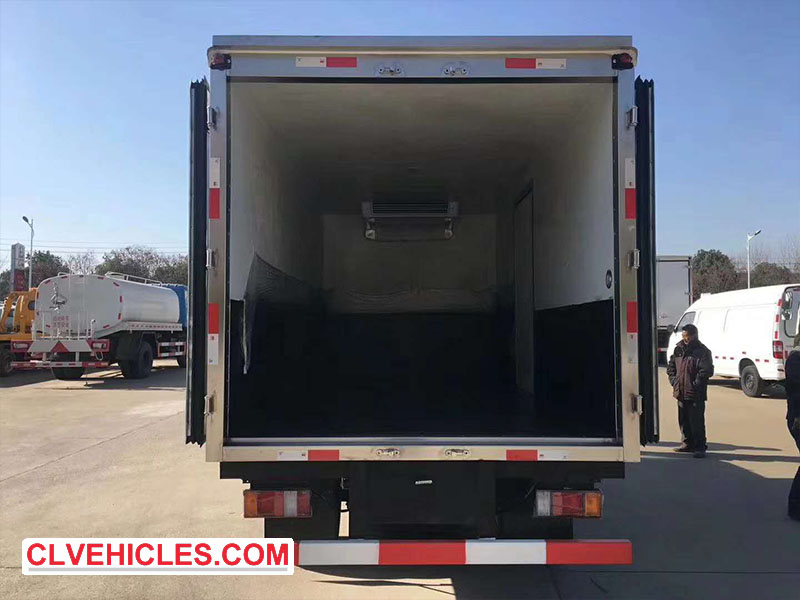
The refrigeration unit maintains the temperature of the goods after loading. Placing warm goods or using uncooled compartments will significantly increase the difficulty of reaching the desired temperature. Therefore, before loading, it is necessary to thoroughly pre cool the goods and truck boxes.

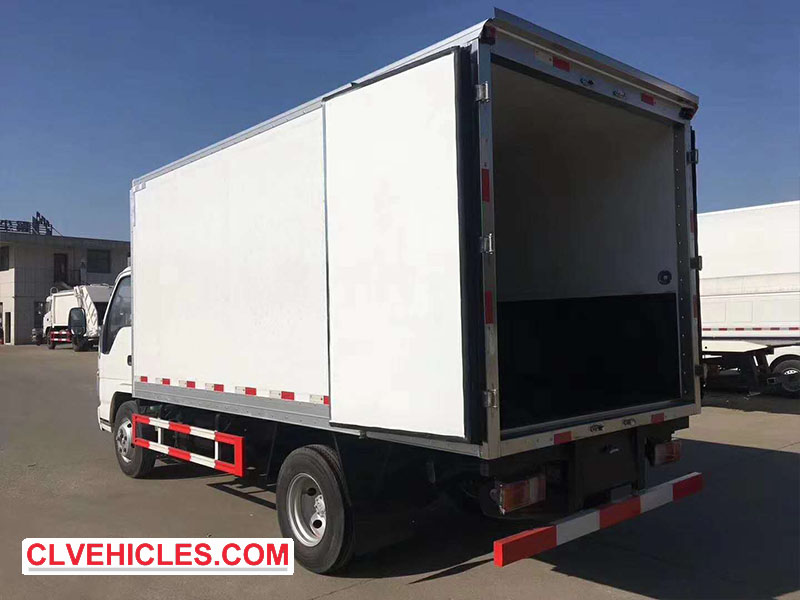
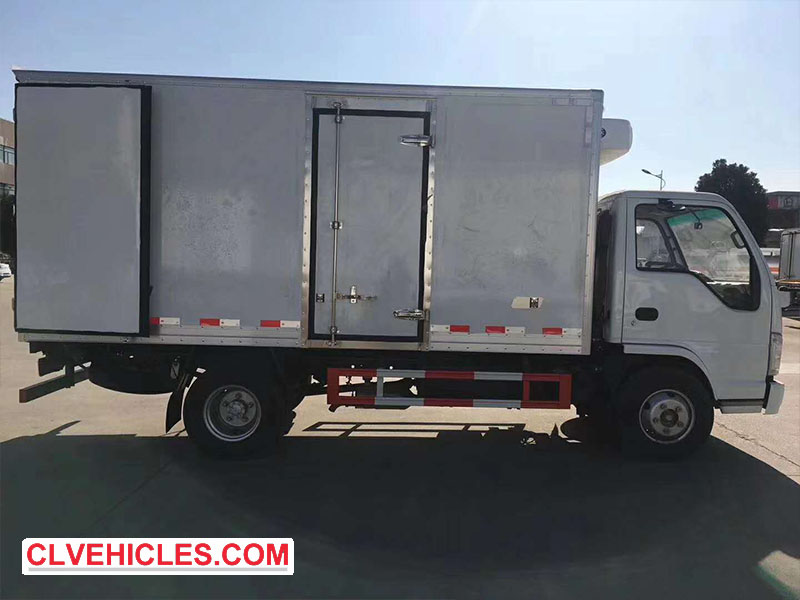
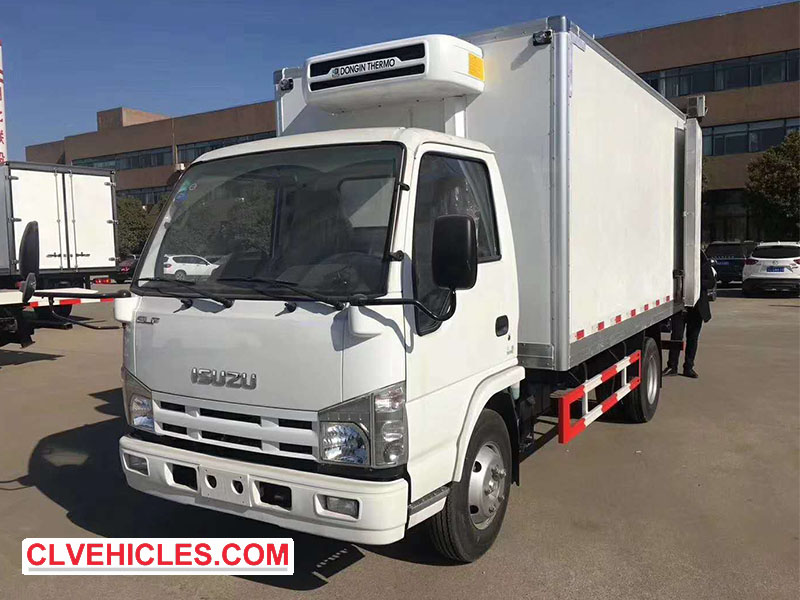
ISUZU refrigerator truck

2. Ensure smooth airflow during loading

Careful placement of goods is crucial to maintain temperature balance in the carriage. Do not load goods onto the ceiling, and absolutely avoid blocking the air vents and return vents of the refrigeration unit. Blocked airflow can cause the goods located in the center to deteriorate due to insufficient cooling.

ISUZU 3ton Refrigerator Truck

3. Quick loading and unloading

Opening the cabin door will allow warm external air to enter, causing an increase in internal temperature, affecting the quality of the goods, increasing the workload of the refrigeration unit, and increasing fuel consumption. Therefore, please quickly perform the loading/unloading operation and stop the refrigeration unit during this process.

ISUZU Light Duty Refrigerator Truck

4. Electrical system inspection

Ensure that the battery terminals are secure and free of corrosion, and that the electrolyte is at full scale. Check if all electrical connections in the control circuit are securely fastened. Wires and terminals must be free from corrosion, burning, or cracking.

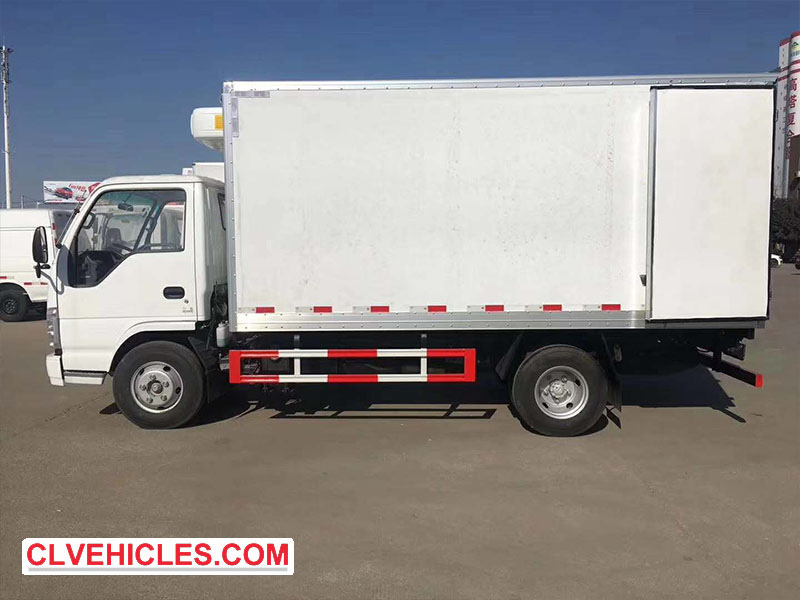
ISUZU freezer Truck

5. Mechanical component inspection

Belt: Check if it is in good condition and adjust the tension appropriately (usually with a deviation of about 13mm in the middle of the pulley).

Unit structure: Check the refrigeration unit assembly for leaks, loose/broken parts, or other damages.

O Gaskets/Seals: Verify that gaskets (such as door seals, unit seals) are tightly compressed and in good condition.

Coil: Keep the condenser and evaporator coils clean and free of dirt/debris to achieve optimal heat exchange efficiency.

ISUZU Refrigerated truck

6. Maintain airflow during cargo loading

When loading the carriage, do not let the cargo block the evaporator outlet or return air inlet. Continuous and unobstructed air circulation throughout the entire compartment is crucial for preventing local "hotspots" and ensuring uniform temperature distribution.

 Adhering to these key maintenance points can improve the performance of ISUZU refrigerated trucks in hot summers, ensure cargo integrity, and optimize operating costs.

To know more about our ISUZU refrigerator truck, please check:

https://www.isuzuvehiclescl.com/isuzu-refrigerated-truck

Basic Maintenance Guide for ISUZU Sewage Suction Trucks With Water Ring Pumps

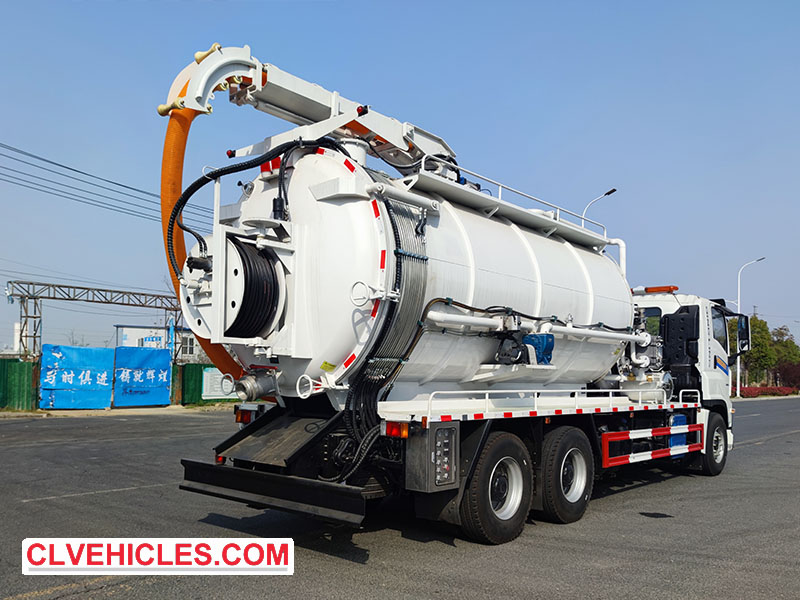
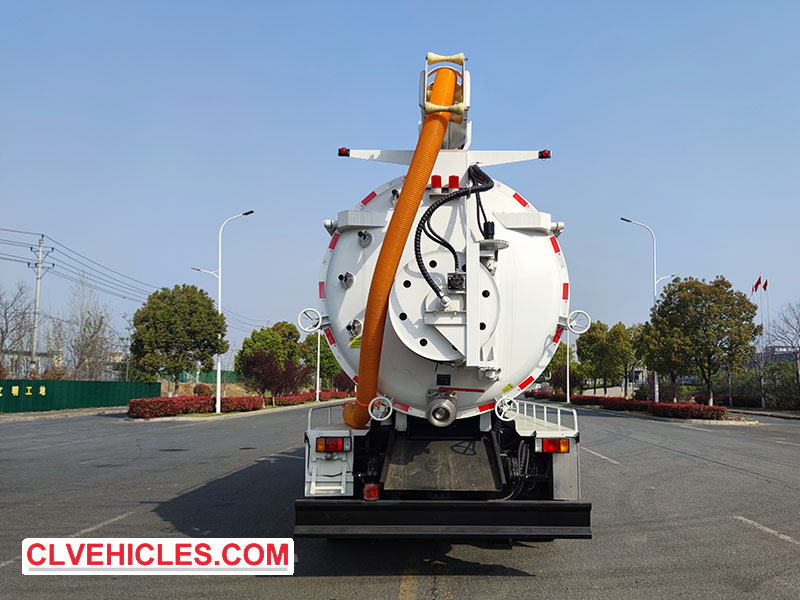
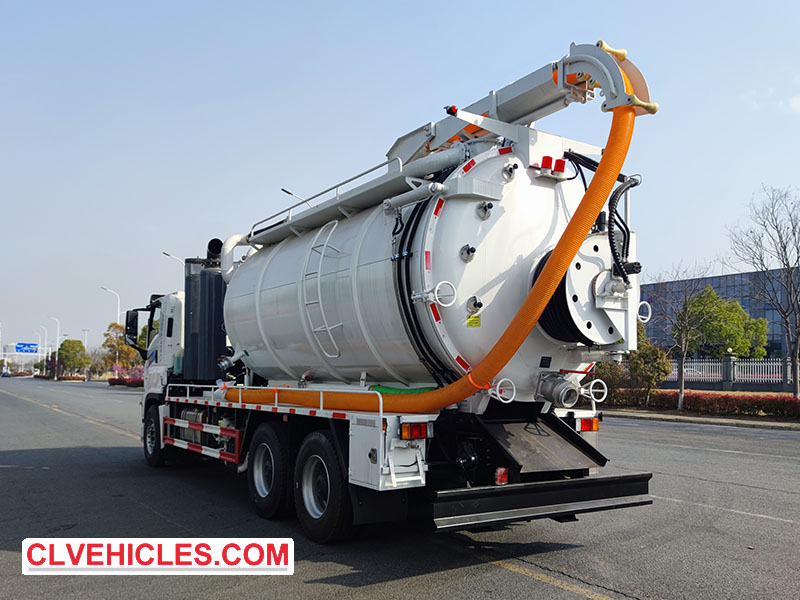
The water ring pump is the core vacuum generator of ISUZU sewage suction trucks, which is highly praised for its simple structure, low maintenance cost, fast suction speed, and high efficiency. Proper maintenance is crucial for maintaining optimal suction power and preventing operational failures. Follow the following key maintenance practices:

1. Bearing maintenance

Regularly check the lubrication condition of the bearings. Lubricate the bearings 3-4 times a year and thoroughly clean them at least once a year. Monitoring working temperature - bearings should operate at 15-20 ° C above ambient temperature and not exceed 55-60 ° C. If abnormal heating is detected, operation should be stopped immediately and the cause investigated. Proper bearing maintenance can reduce wear, extend pump life, and lower operating costs.

ISUZU sewage tank truck

2. Maintenance of sealing system

O Cover packing seal: Regularly compress the packing to maintain sealing. If a leak occurs, replace the worn packing annually (during bearing cleaning). Ensure moderate compression - slight dripping is necessary for cooling and effective sealing.

Mechanical seal: If there is a leak, check the dynamic and static rings. If damaged or showing signs of aging, please replace the ring immediately.

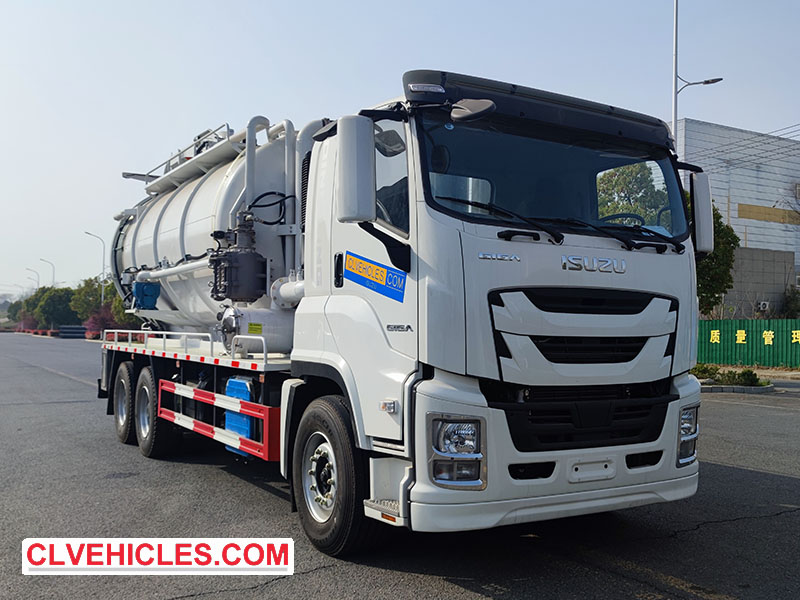
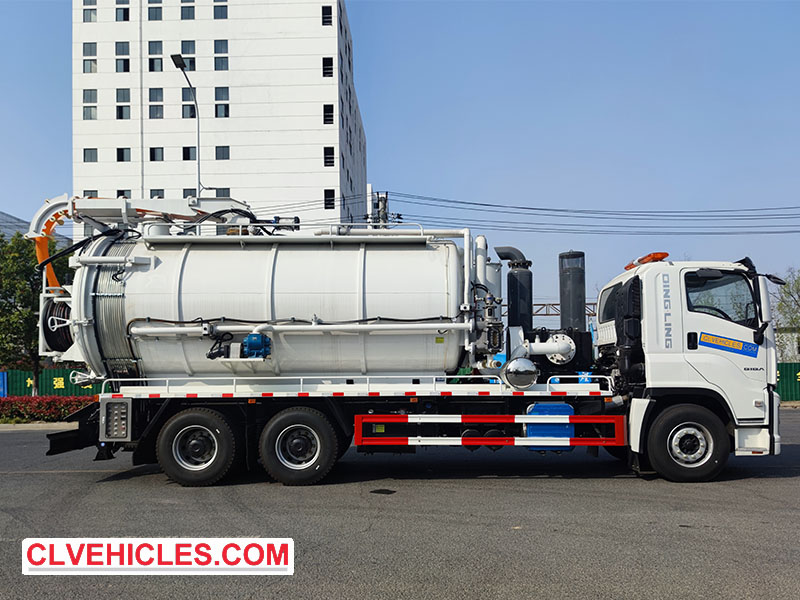
ISUZU Sewage suction truck

3. Drive belt inspection

Regularly inspect the belt joints for cracks, wear, damage, or defects. Timely replace damaged belts to prevent sudden breakage during operation (major safety hazard). Adjust the tension using an idler to ensure the correct tightness.

ISUZU GIGA vacuum truck

4. Water management

Continuously monitor the water level in the pump tank to ensure it is sufficiently full ("more rather than less"). Do not let the pump run idle, as this can lead to catastrophic pump burnout. In addition, regularly clean the rust residue in the fuel tank to prevent debris from entering and damaging the pump.

ISUZU Sewage tank truck

5. Anti backflow

During operation, be alert to the backflow of sewage into the pump. If backflow occurs, stop immediately, disassemble the water ring pump, carefully clean the pump chamber, water tank, and four-way valve to avoid serious internal damage.

 Consistently adhering to these maintenance procedures ensures sustained high performance, prevents costly failures, and maximizes the reliability and efficiency of the sewage suction truck water ring pump system.

ISUZU high pressure suction truck

To know more about our ISUZU Vacuum Truck, please check below website:

https://www.isuzuvehiclescl.com/isuzu-vacuum-truck

Cleaning Precautions After Working of ISUZU Fire Fighting Truck

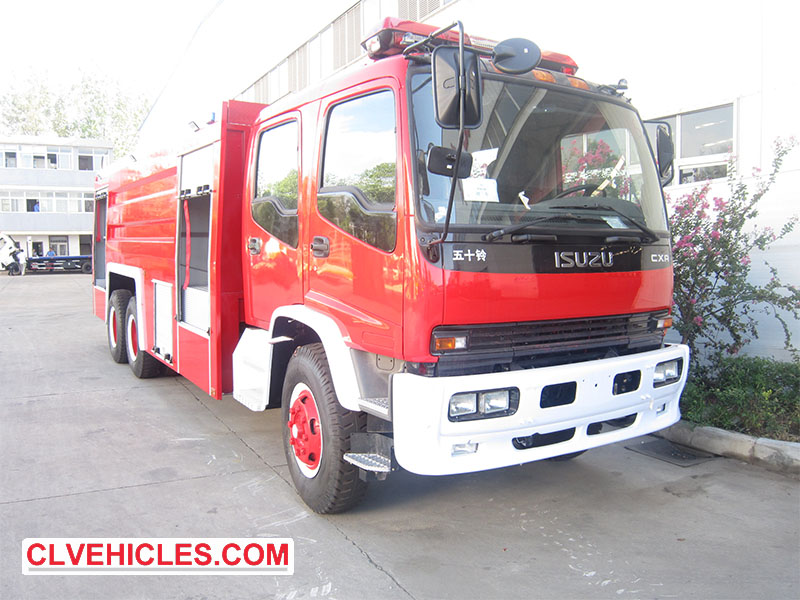
For a long time, the control and management of fires have been a major challenge facing humanity. With the emergence of ISUZU Fire Fighting Trucks, the firefighting struggle has undergone significant changes, leading to a continuous increase in demand for the fire truck market. Proper cleaning after each use is crucial for maintaining vehicle functionality, extending its lifespan, and ensuring operational readiness for future emergencies.

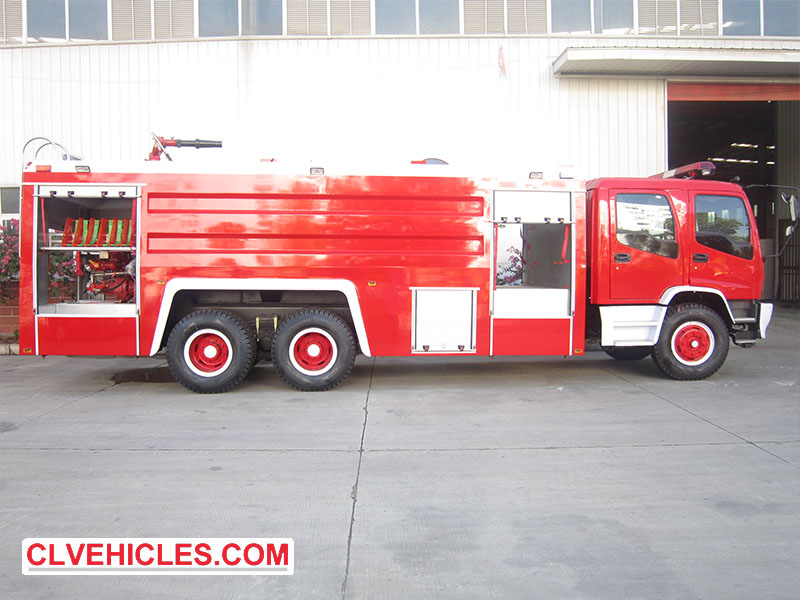
 ISUZU Fire truck

After using the fire pump, open all drainage valves to remove any residual water and close them after drainage is complete. This practice is particularly important in winter to prevent freezing and avoid damage before the next operation. If the pump is used with seawater, corrosive liquid or foam mixture, it shall be washed with clean water for at least one minute to remove any residue and protect the internal components.

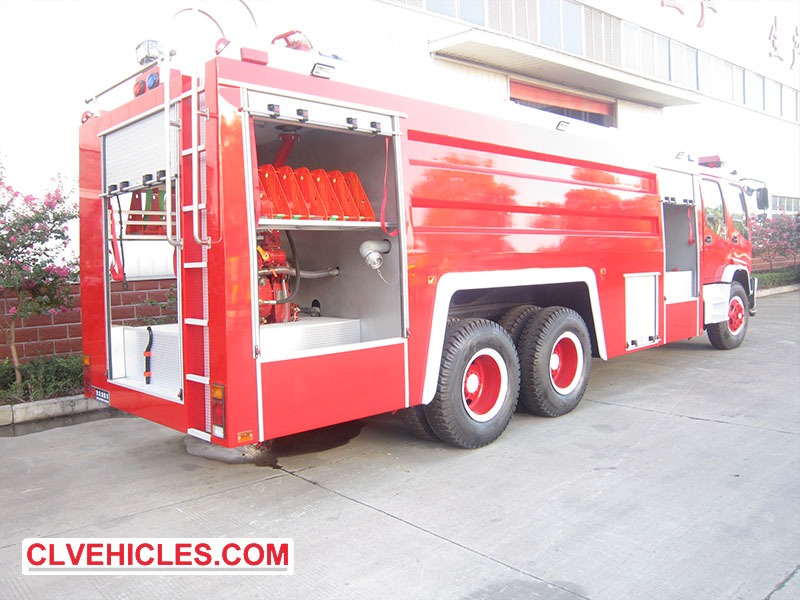
 ISUZU Fire fighting truck

Regular inspection of bearing lubrication is also important; When the lubricating oil drops below the required level, it should be replenished in a timely manner. In winter, after operating the fire pump, repeatedly circulate the piston pump to discharge any remaining water and prevent freezing, which may affect the performance of subsequent use. In addition, during maintenance, avoid letting the fire pump idle for a long time (especially more than one minute) to prevent overheating and mechanical damage.

 ISUZU F-series Fire fighting truck

In short, cleaning after use must not be ignored. This is particularly important in colder regions, as residual moisture can quickly cause ice related damage. Consistent cleaning and inspection after use, as well as pre use checks, are basic practices to ensure the long-term reliability and durability of fire trucks.

To know more about our ISUZU fire fighting truck, please check below website:

https://www.isuzuvehiclescl.com/isuzu-fire-truck

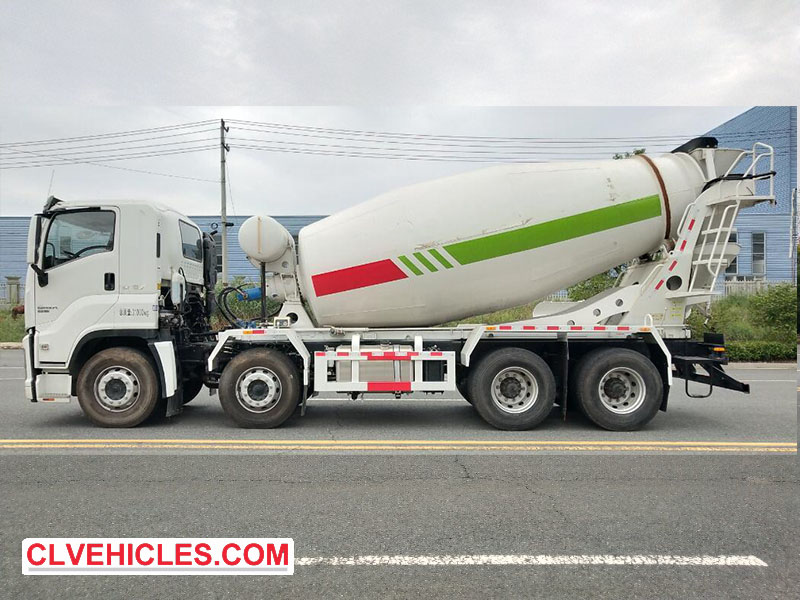
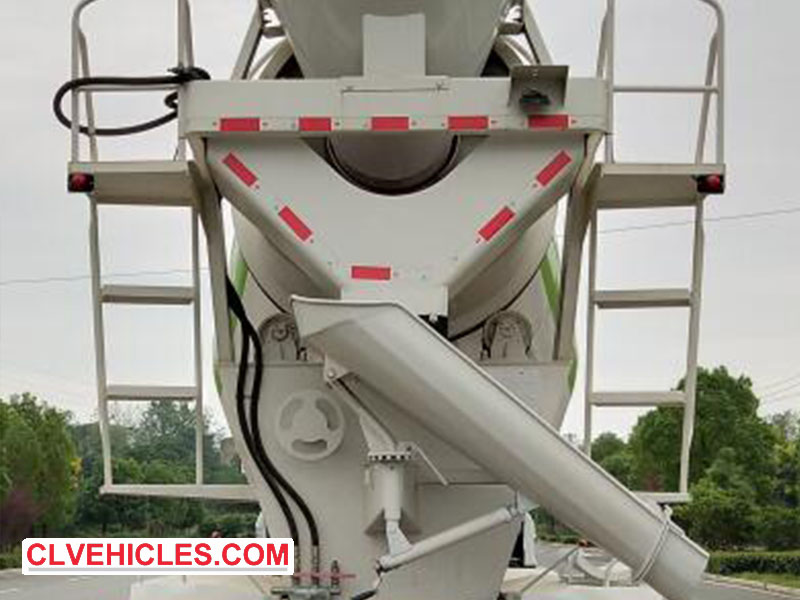
Daily Maintenance of ISUZU Concrete Mixer Trucks

As specialized trucks used specifically for transporting concrete, ISUZU concrete mixer trucks require ongoing and thorough daily maintenance to ensure their service life and operational performance. Neglecting proper maintenance can severely impact functionality and lifespan. The following is a basic maintenance guide for ISUZU concrete mixer trucks.

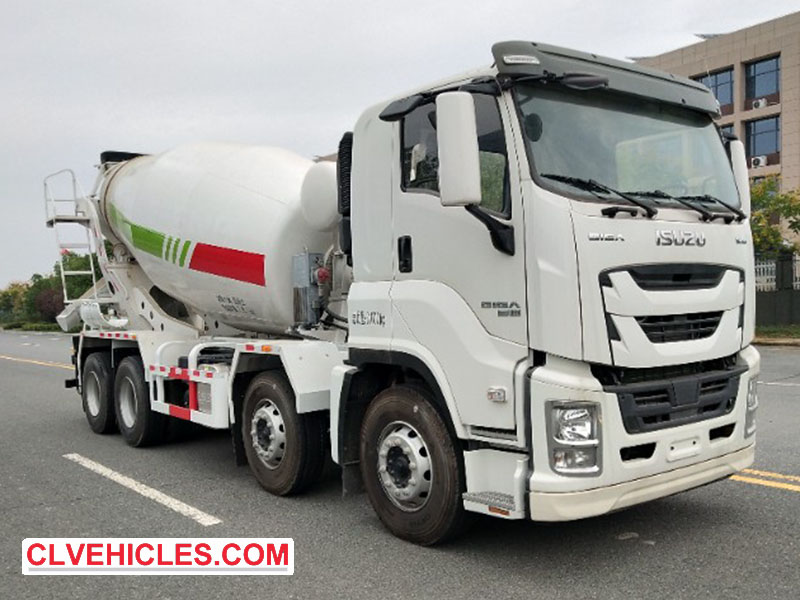
ISUZU concrete mixer truck

For new trucks, perform an initial inspection within the first 50 hours of operation. Inspect all bolts, including those connecting the tank and reducer, the reducer base and front platform, the tugboat base and frame, and the auxiliary and main beams. Perform these inspections monthly after this initial inspection.

ISUZU concrete mixer

Before daily operation, confirm that the lubricating oil between the support wheels and raceways is sufficient, and refill as necessary to maintain optimal lubrication. Additionally, check the oil level in the cooler and reducer to ensure it is within visible range. It is crucial to keep the hydraulic system clean and well-sealed to prevent contamination from dust or moisture, which can cause system failure or damage.

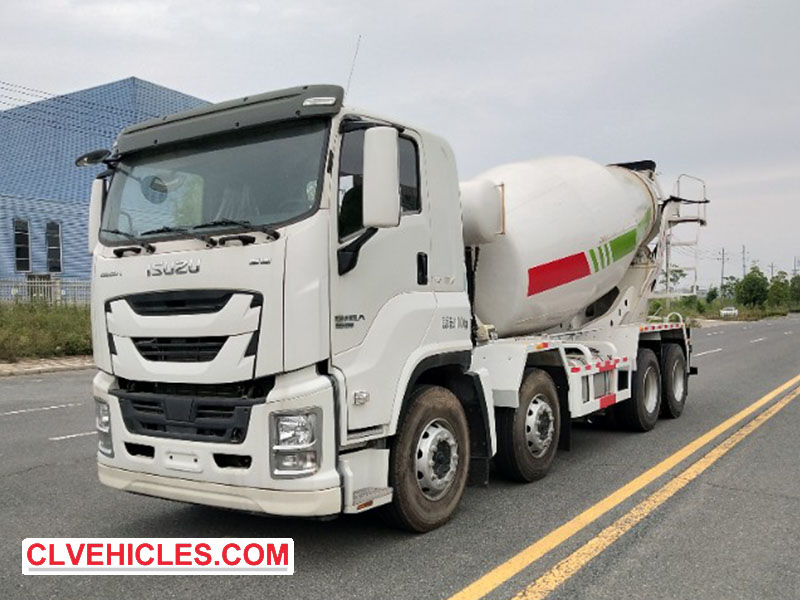
ISUZU GIGA concrete mixer

Monthly maintenance should include cleaning accumulated dirt from the support wheels and rollers. Apply grease through the grease nipples on the support wheels, and ensure that the drive shaft is lubricated at least once a month.

ISUZU GIGA concrete truck

The hydraulic system, especially high-precision components such as the hydraulic pump, requires regular maintenance. While these parts are designed for easy maintenance, they require high-quality hydraulic fluid and regular filter changes. Change the hydraulic fluid and filter after the first 500 hours of operation, then every 2,000 hours or at least annually. Always change the oil and filter with the engine turned off to avoid damaging the hydraulic system.

ISUZU 12CBM mixer truck

Avoid welding or replacing the water tank, and protect it from heavy impact. Regularly replace the ice display tube and filter to prevent blockages that could affect water flow. Frequently check that all valves are functioning properly and address any abnormalities promptly. In freezing conditions, ensure that the water supply system is drained to prevent pipe damage. Continuously apply sealant to critical areas of the direct system to maintain a reliable seal.

ISUZU Concrete Mixer Truck,ISUZU Cement Mixer,ISUZU Transit Mixer


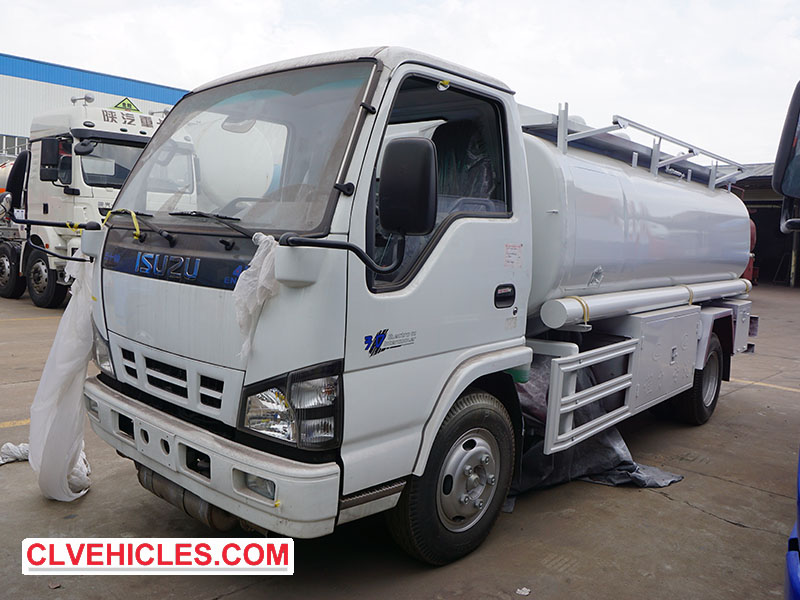
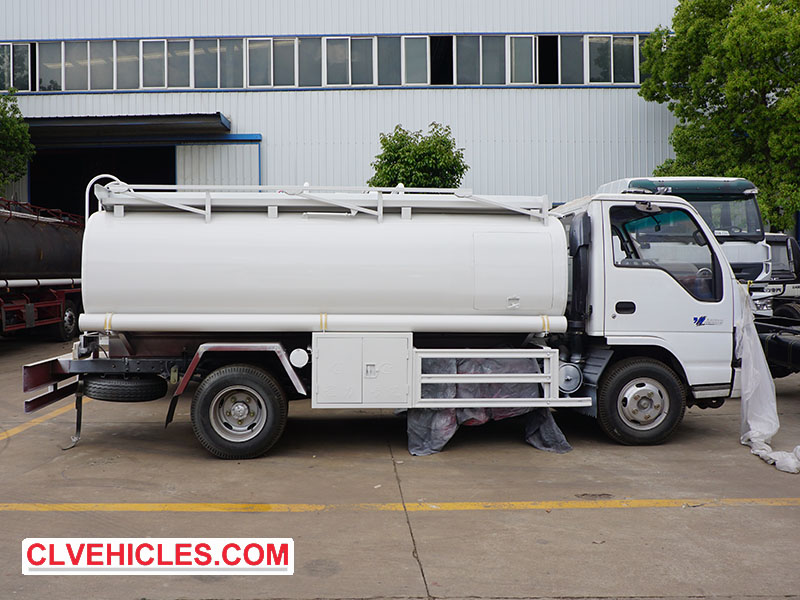
How to Prevent Static Electricity Damage in ISUZU Tank Trucks?

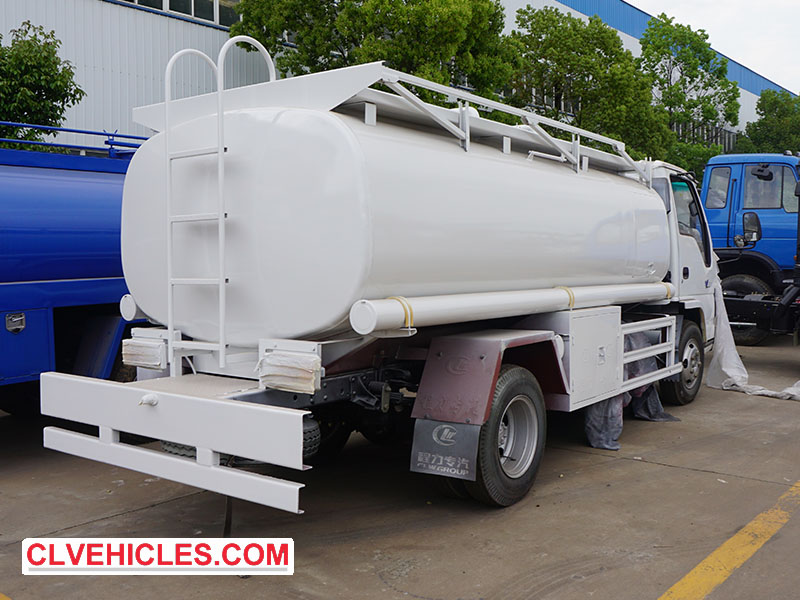
To minimize the risk of static electricity-related incidents in ISUZU tank trucks, several key operational and maintenance measures should be implemented. First, the tank's fluid level should be carefully controlled. Too little oil increases free space, leading to excessive sloshing and static electricity accumulation during transport, while overfilling can cause leaks from poorly sealed tank openings. A fill level of approximately 85% is generally recommended. Furthermore, drivers should maintain a moderate speed to keep the fluid relatively stable and avoid sudden braking.

ISUZU Fuel tank truck

Changing the type of oil being transported, such as switching from gasoline to diesel or kerosene, poses significant risks. Kerosene and diesel can absorb gasoline vapors, potentially changing the fuel mixture within the tank to within the explosive range, especially in cold weather. According to a study by the American Petroleum Institute, 440 out of 620 static electricity incidents involved product changes. When switching products, it is essential to completely drain residual oil, vent the tank to allow vapors to dissipate, and notify the previous product's loaders to adjust the transfer flow accordingly.

ISUZU Oil tank truck

Keeping the tank free of water and impurities is also crucial. Water significantly increases the static charge in the fuel, raising the voltage by several orders of magnitude and potentially leading to sparkover. Impurities such as wood chips, rubber, or detached metal parts can act as capacitors, accumulating and storing static charge. The unpredictable movement of these materials can lead to proximity to tank walls or fixtures, creating a discharge gap. Testing has shown that sparkover can occur at potential differences as low as 1-2 kV, compared to the normal 28-30 kV, with the release of intense energy.

ISUZU tanker truck

Valves, vents, and tank cap seals must be maintained in good condition to prevent leaks or spills that could ignite due to static sparks. Finally, before any loading or unloading, the tank truck and facility equipment must be properly connected using static wiring to equalize potential and prevent sparks.


Related Products: ISUZU Tanker Trucks,ISUZU Fuel Tanker Truck,Diesel Tanker Truck ISUZU

How to Troubleshoot a ISUZU Garbage Truck's Hydraulic System?

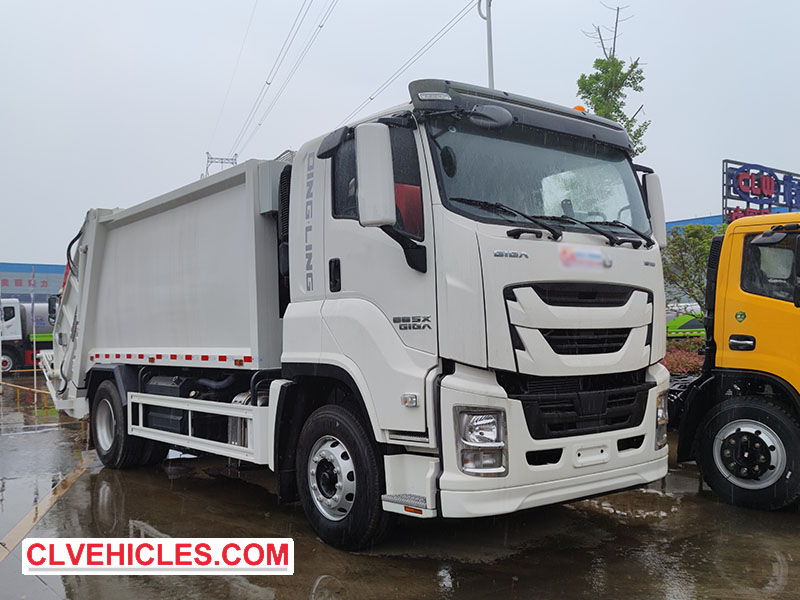
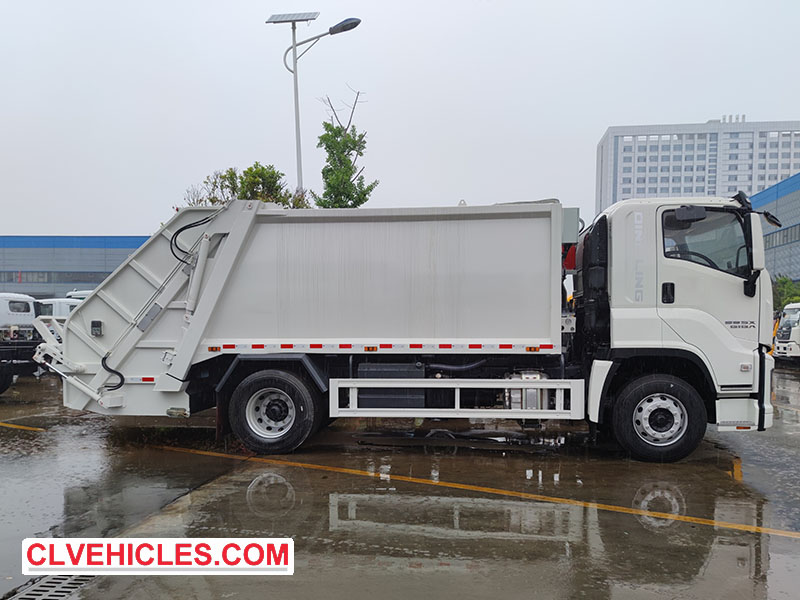
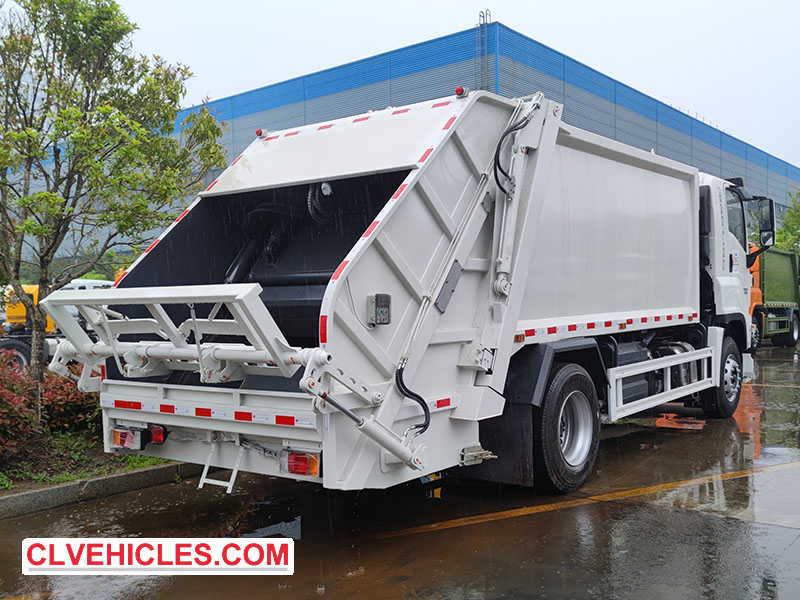
When a ISUZU garbage truck's hydraulic system malfunctions, first confirm that the power take-off (PTO) is properly engaged, the hydraulic oil level in the tank is sufficient, and the suction pipe ball valve is fully open. If the hydraulic mechanism still does not respond, proceed with the following system checks.

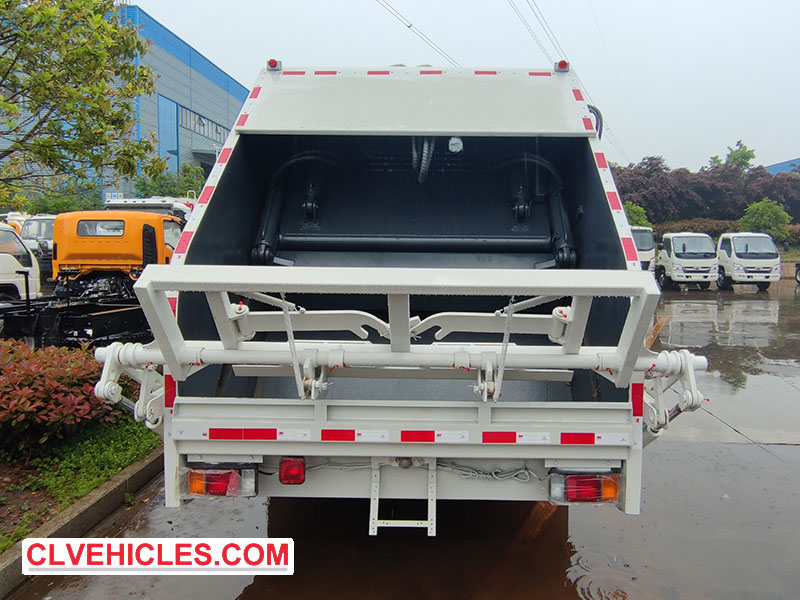
ISUZU garbage truck

First, ensure there is sufficient hydraulic oil in the tank, refilling if necessary. Next, inspect the oil supply line from the tank to the oil pump for signs of deterioration or collapse. If damage is found, replace the intake pipe.

ISUZU compactor garbage truck

Next, inspect the gear pump for malfunctions. Install a pressure gauge and adjust the pressure regulating screw to determine if the system reaches the specified pressure. If the desired pressure is not reached even after fully tightening the adjusting screw, the gear pump may be defective and must be replaced.

ISUZU GIGA garbage truck

If the gear pump is functioning properly, the problem may be caused by a clogged spool in the multi-way reversing valve. In this case, remove the valve plug, clean out any debris, and reinstall it to restore normal operation.

ISUZU GIGA garbage compactor


ISUZU Garbage Truck,ISUZU Garbage Compactor Truck For Sale